$3,000–$15,000+/Month: How a Plantscaper in Senegal Can Build a High-Income From Ecological Design
Money & Finance → Revenue Systems for Creators

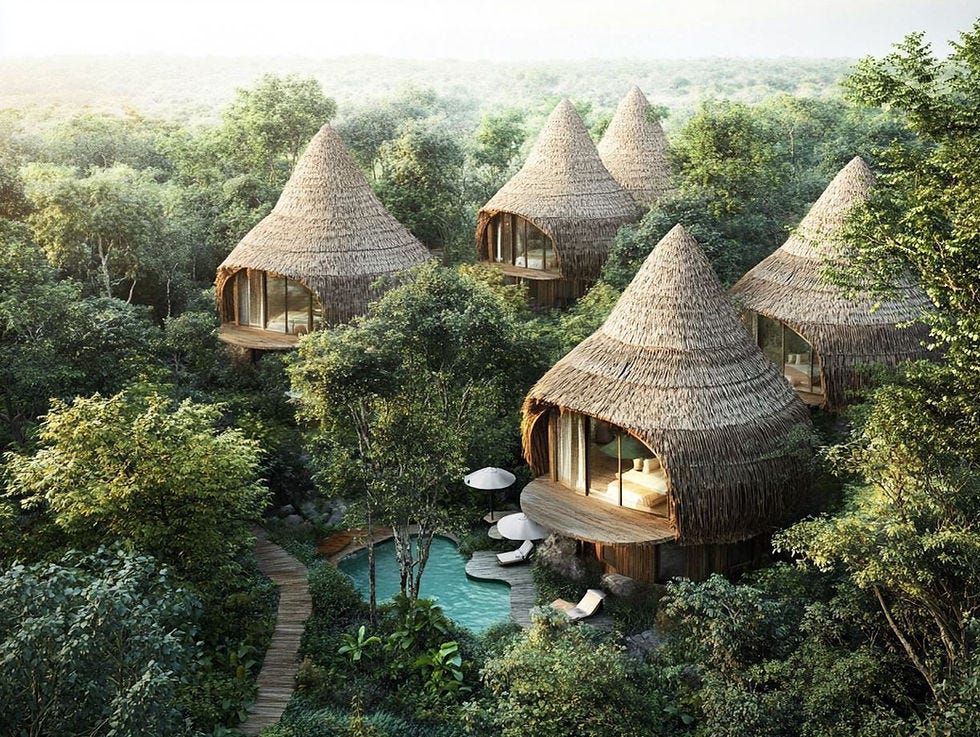
Urban development across Senegal, especially in cities like Dakar, is accelerating. New hotels, embassies, office towers, luxury apartments, and retail spaces are competing for visual identity. Climate pressure is increasing. Air conditioning costs are rising. Heat islands are real.

At the same time, developers, hospitality brands, NGOs, and high-income homeowners want spaces that feel modern, ecological, and internationally relevant.
That is where a plantscaper, someone who designs, installs, and maintains structured plant environments, becomes extremely valuable.
This is not gardening. This is environmental positioning.
With the right structure, a plantscaper in Senegal can realistically generate $3,000 to $15,000+ per month by packaging ecological design as a system rather than a one-off service.
Here is how.
Why Ecological Plantscaping Is a Real Revenue Market
Across West Africa, commercial real estate developers and hospitality groups are investing heavily in aesthetics:
Boutique hotels targeting European travelers
Luxury apartment compounds
Corporate headquarters
Restaurants and rooftop lounges
Gated villas in Dakar

Many of these projects lack integrated green design expertise. Imported designers are expensive. Local execution is inconsistent.
A trained ecological plantscaper who understands:
Heat management
Native drought-resistant species
Vertical gardens
Balcony and rooftop planting systems
Irrigation efficiency
Maintenance scheduling
can become a strategic contractor, not just a supplier.

The opportunity increases dramatically when the plantscaper documents and sells their system.
Define a Focus Market Examples in Senegal:
High-end residential villas in Dakar
Hotels along the coast
Corporate office interiors
Luxury retail stores
Embassy residences
Each segment has different budget capacity.
Luxury real estate clients may spend $5,000 to $40,000 on full environmental landscaping packages.
Build Structured Offers Instead of “Quotes” A WITS SPOTLIGHT for a plantscaper might include: Climate-Optimized Garden Blueprint
A structured design package including plant lists, layout diagrams, irrigation planning, and maintenance guides.
Vertical Cooling Wall System
Pre-engineered green wall design using drought-tolerant species.
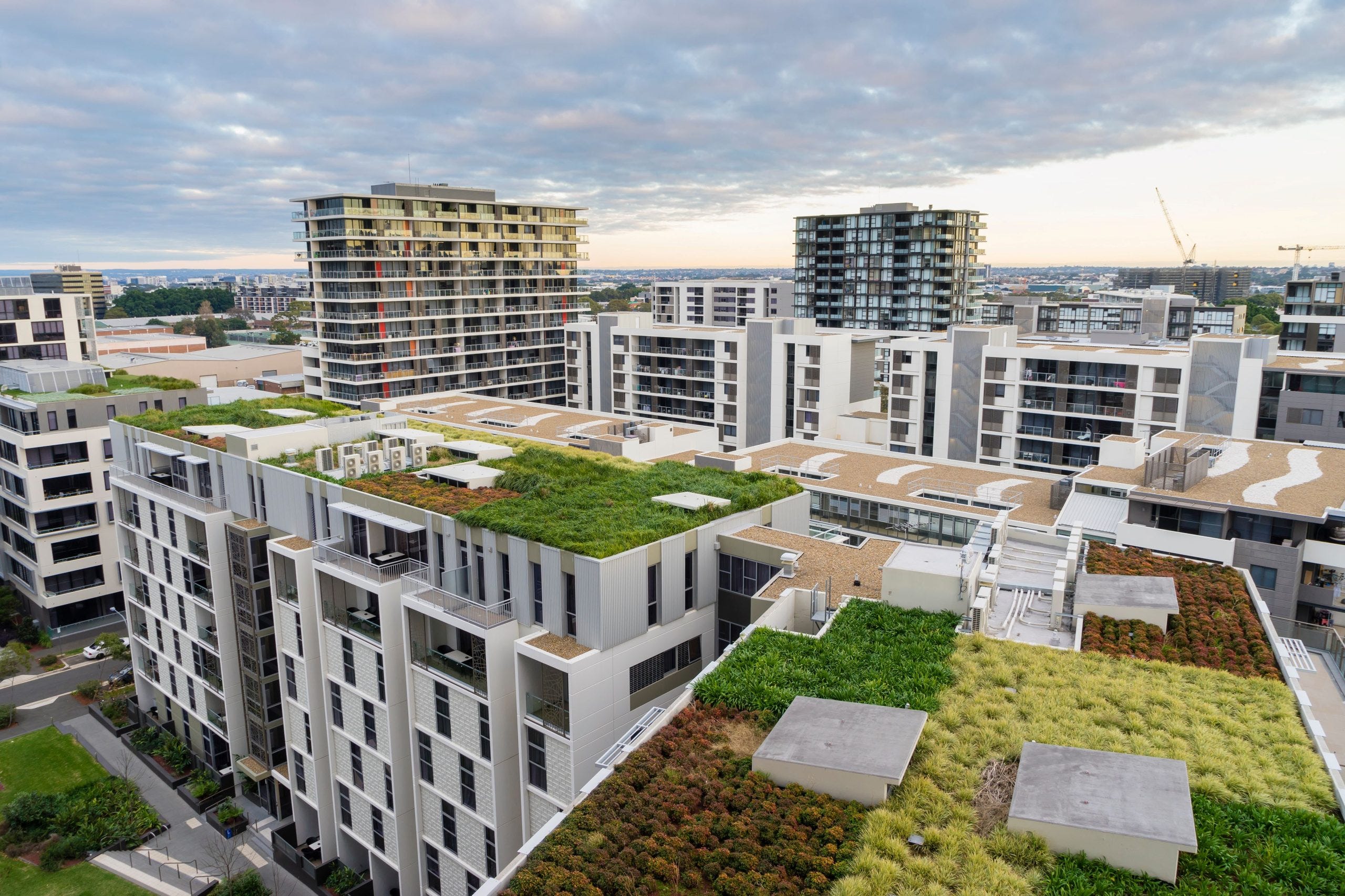
Rooftop Heat Reduction Package
Plant layout designed to lower surface temperature and improve property value.
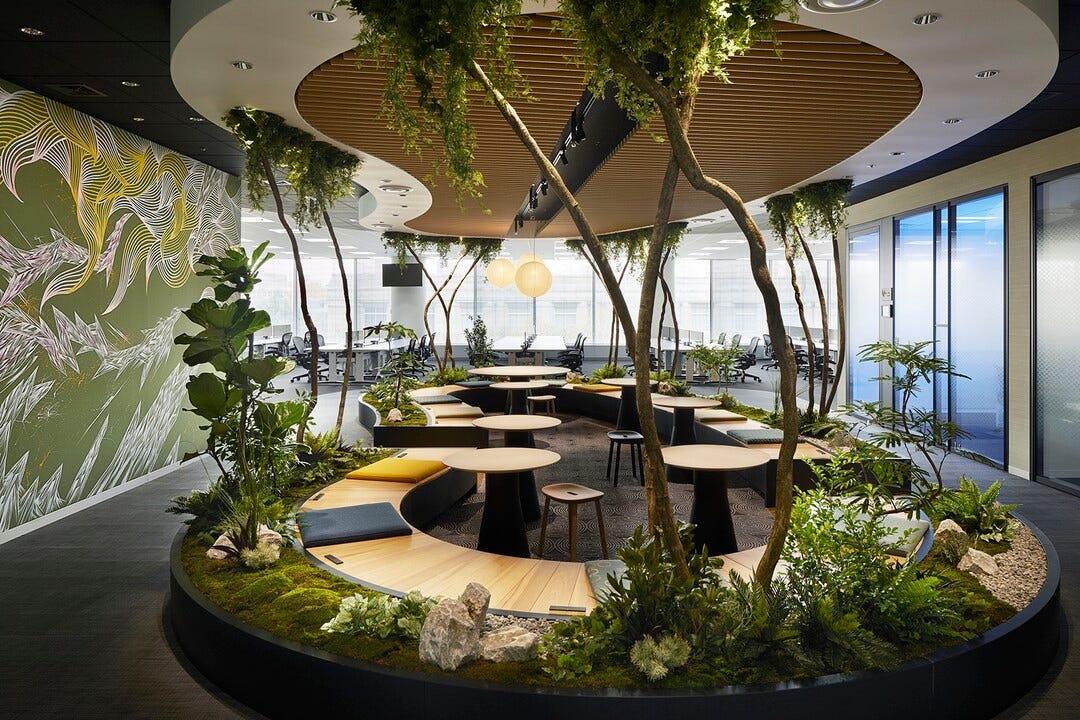
Commercial Lobby Biophilic Package
Indoor plant system designed to elevate brand perception.
Instead of “we design gardens,” the offer becomes a documented system with clear outcomes.
Real Financial Breakdown
Let us model conservative numbers in Dakar.
Residential Projects
2 villa projects per month
Average project value: $6,000
Gross monthly revenue: $12,000
Estimated costs:
Plants and materials: $3,500 per project
Labor: $1,000 per project
Profit per project: ~$1,500
Monthly residential profit: ~$3,000
Commercial Projects
1 mid-sized hotel or office project every 2 months
Average contract value: $18,000
Average monthly equivalent: $9,000 revenue
Estimated costs:
Materials and plants: $8,000
Labor: $3,000
Profit per project: ~$7,000
Monthly equivalent profit: ~$3,500
Maintenance Contracts
10 recurring clients
$250 per month each
Monthly recurring revenue: $2,500
Maintenance margins are typically 40–60% depending on labor structure.
Estimated monthly profit: ~$1,200
Total Conservative Monthly Scenario
Residential profit: $3,000
Commercial equivalent profit: $3,500
Maintenance profit: $1,200
Total monthly profit: ~$7,700
With stronger positioning, higher-end clientele, and better contracts, reaching $12,000 to $15,000+ per month is realistic.
What Makes This Scalable
The key is not more manual labor. It is systemization.
A WITS SPOTLIGHT turns the plantscaper’s expertise into:
A documented ecological design method
Plant selection frameworks for Senegal’s climate
Installation checklists
Cost calculation templates
Maintenance schedules
Vendor sourcing lists
That system can be:
Licensed to other installers
Sold to developers
Packaged as consulting
Used to train staff
Offered as a premium design blueprint
Now the plantscaper is selling intellectual property plus execution.
Why Demand Is Increasing in Senegal
Several structural drivers:
Rising luxury construction in Dakar
Hospitality competition for aesthetic differentiation
Growing awareness of sustainability
International investors expecting global design standards
Heat management becoming a cost issue
Ecological design is no longer decorative. It reduces long-term costs and increases property value.
That makes it strategic.
What $15,000+/Month Looks Like
At higher scale:
3 residential installs per month at $8,000 average
1 larger commercial contract quarterly at $25,000
20 maintenance contracts at $300/month
Consulting for developers at $2,000 per project
At this level, structured operations and trained teams are required, but margins grow significantly.
This is no longer gardening income.
It is environmental systems revenue.
Why WITS Works for a Plantscaper
WITS is not about random projects. It is about packaging operational intelligence.
Instead of:
“I design and install plants.”
It becomes:
“I operate a climate-optimized ecological design system for high-value properties in Senegal.”
That positioning:
Attracts higher-budget clients
Justifies premium pricing
Creates licensing and consulting opportunities
Feeds into luxury real estate, hospitality, and commercial development
The more documented and structured the system, the easier it becomes to scale beyond personal labor.
A plantscaper in Senegal who thinks like a system builder, not a gardener, can realistically build a multi-thousand-dollar monthly operation with recurring revenue and long-term leverage.
The opportunity is not in selling plants.
It is in selling environmental infrastructure.