
$612,450 in Net Profit by Turning a Game Studio Workflow Into a Resellable System
Gaming & Toy → Game Production & Live Ops Systems


SPOTLIGHT Type: Indie Game Launch, Live Ops, and Monetization Engine
City: Vancouver, Canada
In Vancouver, a city packed with indie studios and contract game developers, a 12-person game studio faced a problem that had nothing to do with creativity.
They could ship games.
They could not ship them profitably at scale.
Each release repeated the same chaos: launch delays, uncoordinated live ops, weak monetization timing, and post-launch burnout. Every studio around them had the same issue, and most treated it as inevitable.
Instead of accepting that reality, this studio bought a system.
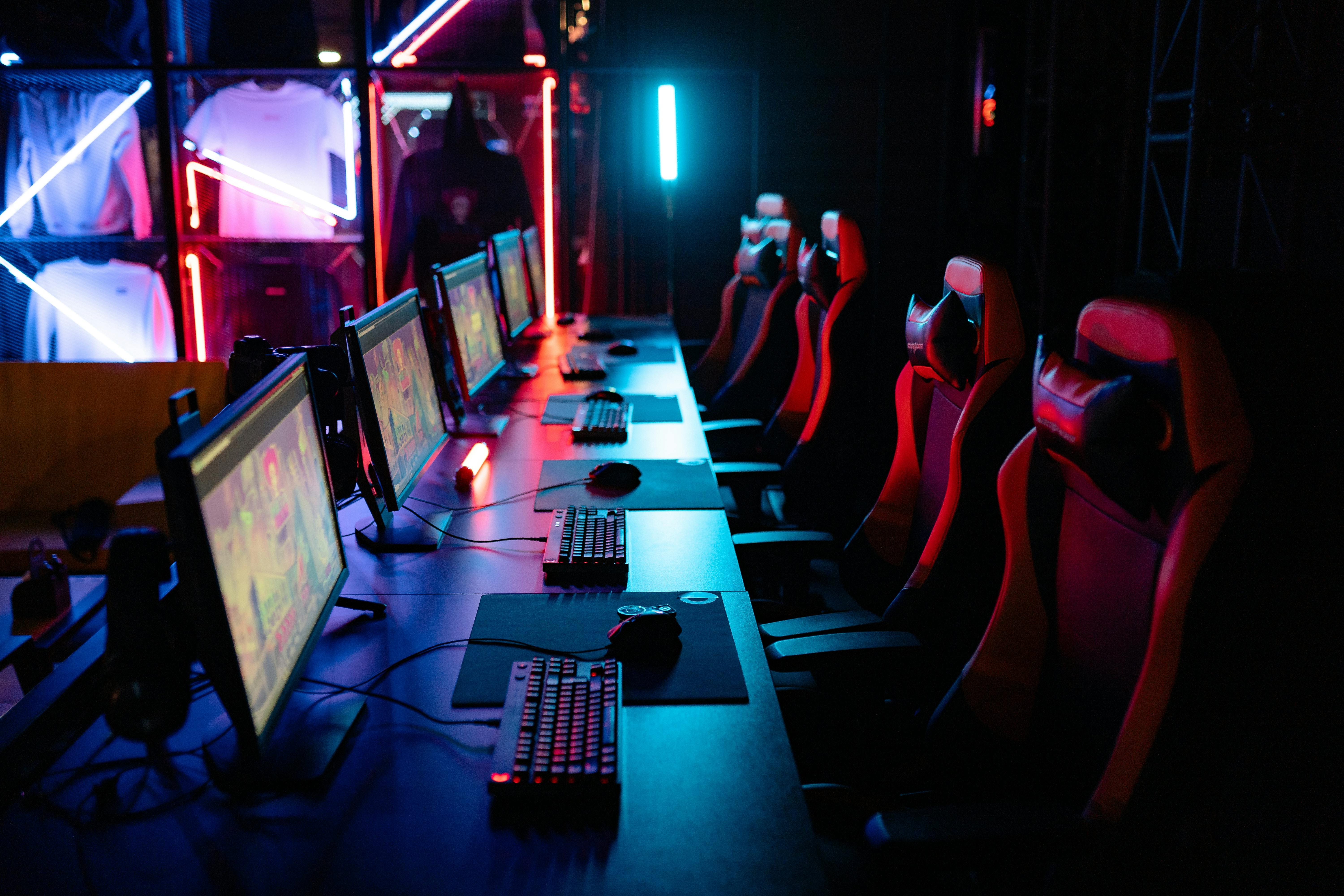
The SPOTLIGHT Purchased
The studio acquired a Game Launch and Live Ops Monetization SPOTLIGHT through WITS, originally built by a studio that had successfully shipped multiple mid-tier PC and mobile titles.
What the SPOTLIGHT included
Pre-launch production lock and content freeze timelines
Live ops cadence schedules for 30, 60, and 180 days post-launch
In-game economy balancing logic
Event based monetization triggers
Player segmentation and retention workflows
Revenue forecasting benchmarks tied to DAU and ARPU
Upfront SPOTLIGHT Cost: $25,000
Rights Included: Internal use + SOCIAL PROOF resale enabled
This was not design theory. It was an execution playbook for shipping games like a machine.
Internal Revenue Impact
The studio applied the SPOTLIGHT to its next PC and console release.
Measured results compared to the previous title
Launch timeline shortened by 2.5 months
Day-30 player retention increased by 28 percent
Average revenue per user increased by 34 percent
Direct Internal Financial Lift
Previous title:
First year revenue: $940,000
Title launched using the SPOTLIGHT:
First year revenue: $1,420,000
Incremental revenue attributable to the system: $480,000
No additional hires. No new engine. No external monetization consultants.
SOCIAL PROOF Resale Strategy
Instead of keeping the workflow internal, the studio resold the SPOTLIGHT using WITS SOCIAL PROOF to other indie studios, esports orgs, and live service teams.
Three resale formats were launched.
Resale Format A: Indie Studio Digital Kit
Target buyer: studios with under 20 developers.
Price: $599
Units sold per month: 45
Annual revenue: $323,460
Delivery cost: near zero
Resale Format B: Studio License
Target buyer: funded indie and AA studios.
License price: $5,000
Licenses sold per quarter: 8
Annual revenue: $160,000
Resale Format C: Live Ops Implementation Sprint
Target buyer: studios preparing for launch or relaunch.
Price per engagement: $15,000
Engagements per year: 6
Annual revenue: $90,000
Total SOCIAL PROOF Revenue
Digital kits: $323,460
Studio licenses: $160,000
Implementation sprints: $90,000
Total resale revenue: $573,460 annually
Total Financial Impact
Internal incremental revenue
$480,000
SOCIAL PROOF resale revenue
$573,460
Combined annual impact
$1,053,460
Costs and Net Profit
Costs
SPOTLIGHT acquisition: $25,000
Hosting, documentation, and updates: $22,000 annually
Part time producer support for resale: $394,000 annually
Total costs: $441,000
Net Profit Attributable to the SPOTLIGHT
$612,460 annually
That profit came from a single operational asset, purchased once.
Why This Works in the Gaming Industry
Game studios traditionally treat production workflows as internal lore. WITS allows studios to acquire proven systems and resell them legally through SOCIAL PROOF.
In an industry obsessed with engines and IP, execution discipline is the real unlock.
This studio did not sell a game system.
They sold a way to survive shipping games.

Closing
For this Vancouver studio, WITS changed the role of operations.
Production systems stopped being invisible labor and became monetizable infrastructure.
A one-time $25,000 purchase turned into over $600,000 in annual net profit, while simultaneously improving their own game launches.
That is not a content play.
That is a systems play.
If you want the next one, I can go even harder, esports org operations, streamer monetization engines, AAA outsourcing pipelines, or live service economies tuned like RPG skill trees.