
$8,000–$35,000+/Month: How a Weaver Specialist Can Build a High-Income Indigenous Australian Art Enterprise
Business, Trade & Power → Manufacturing & Production

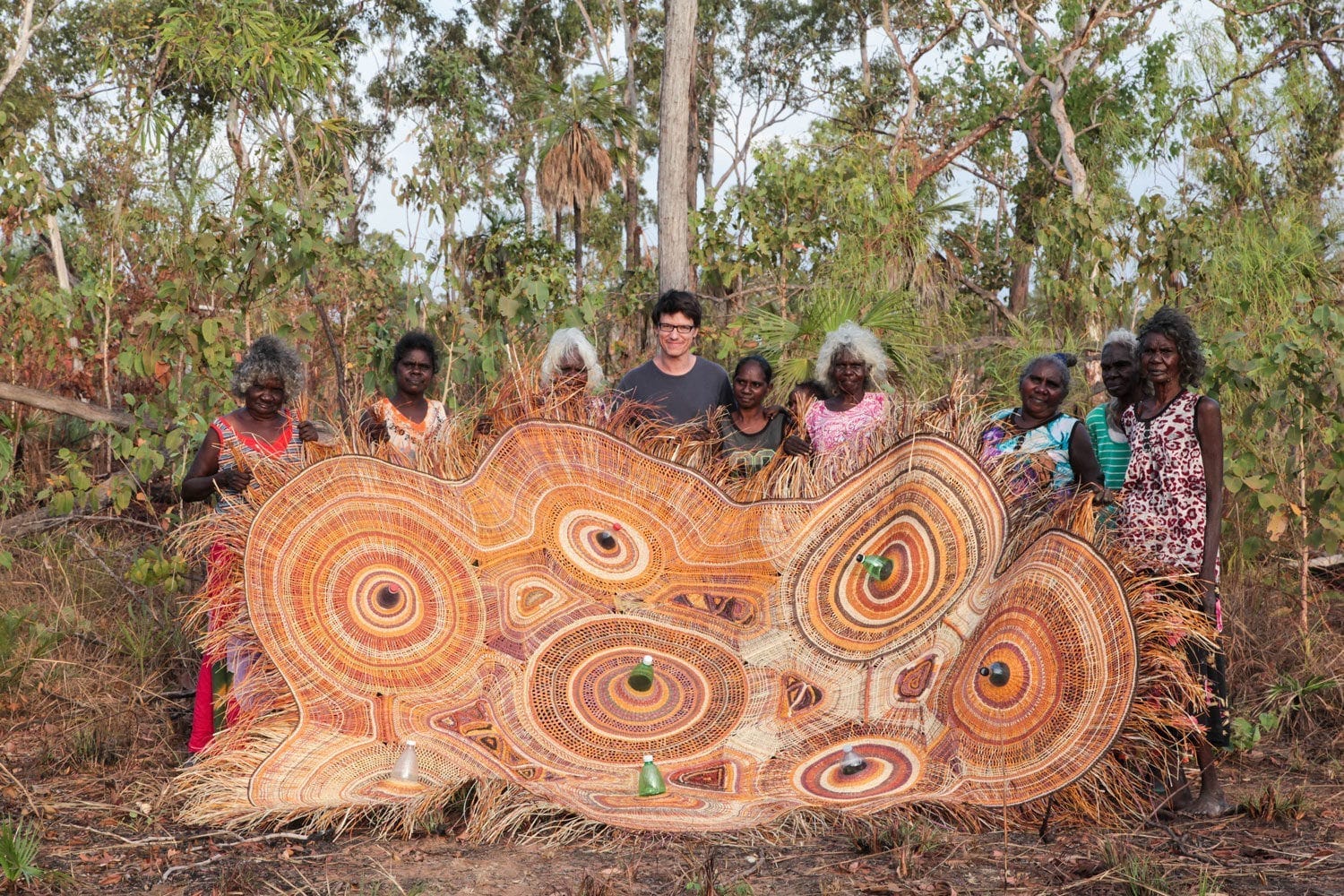
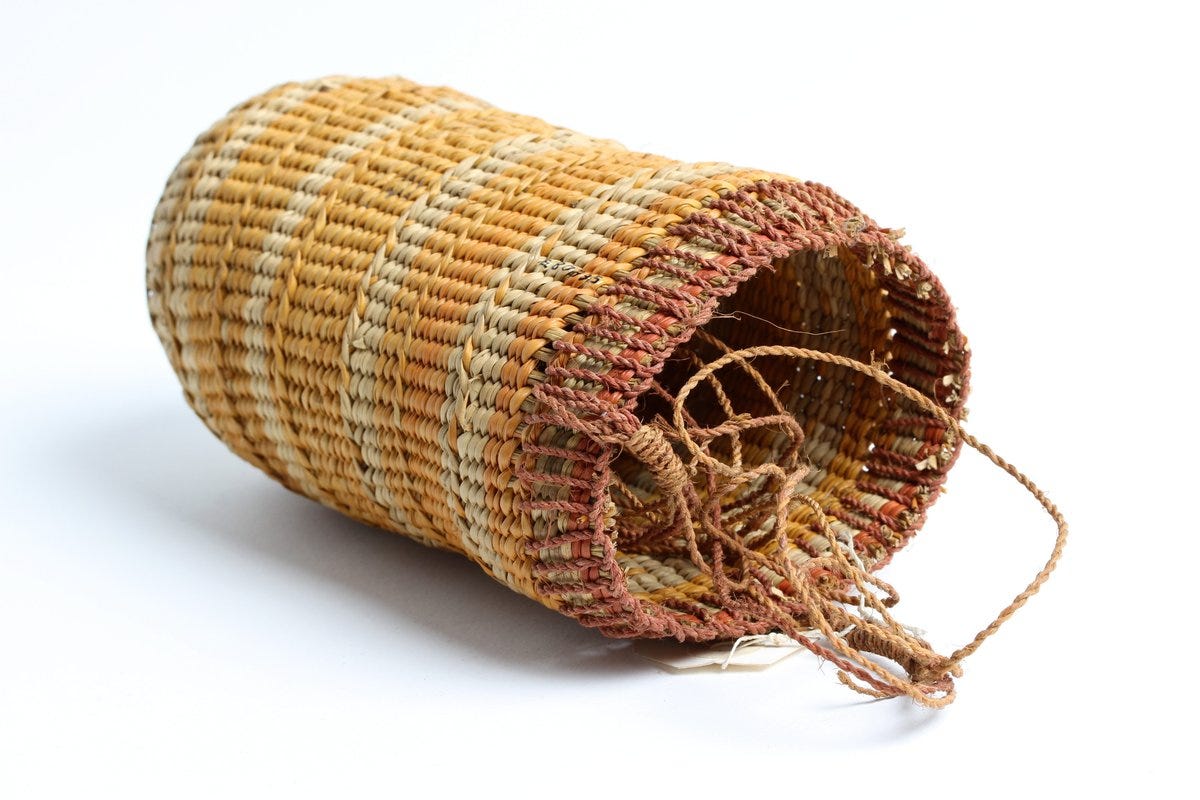
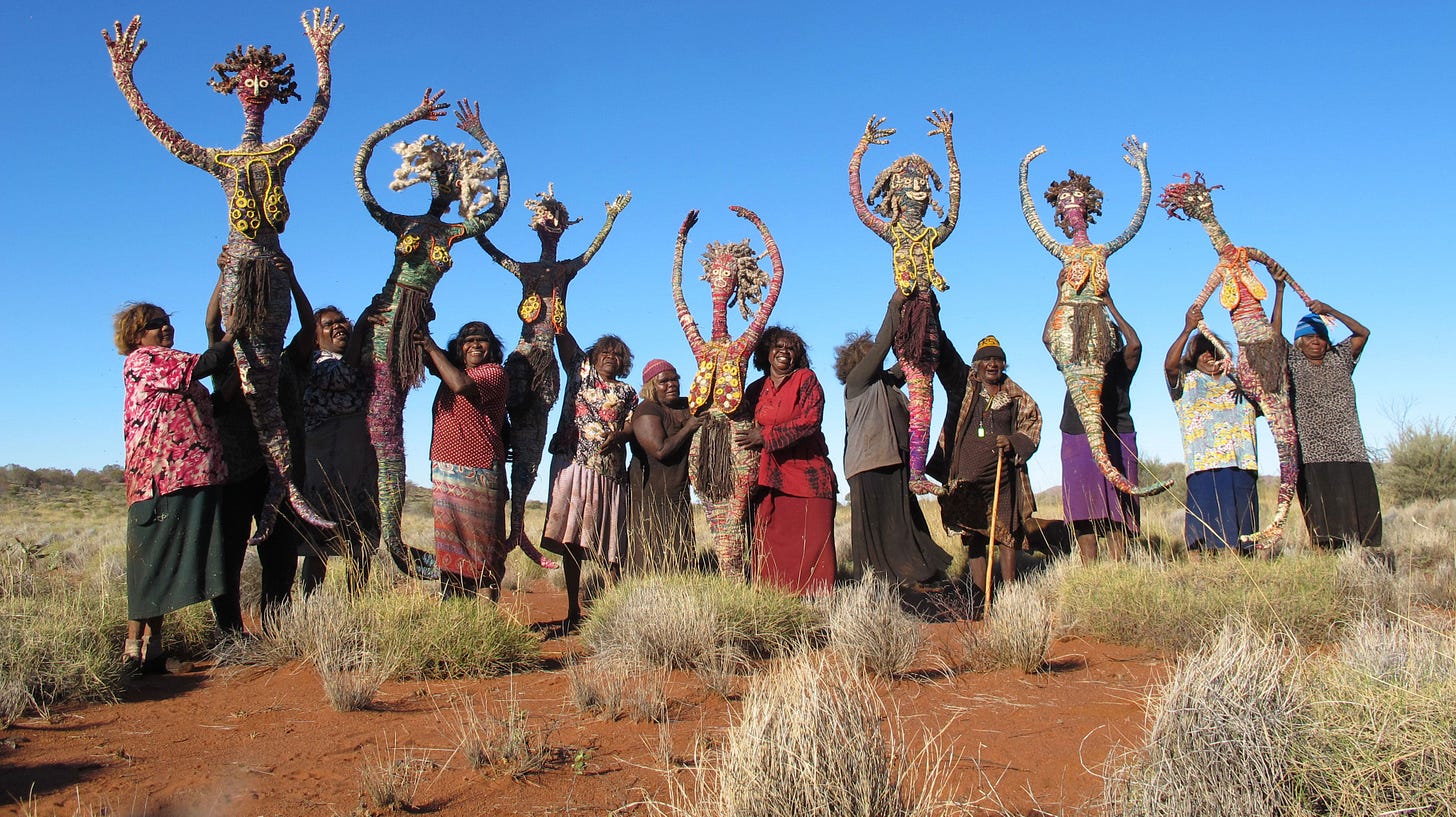
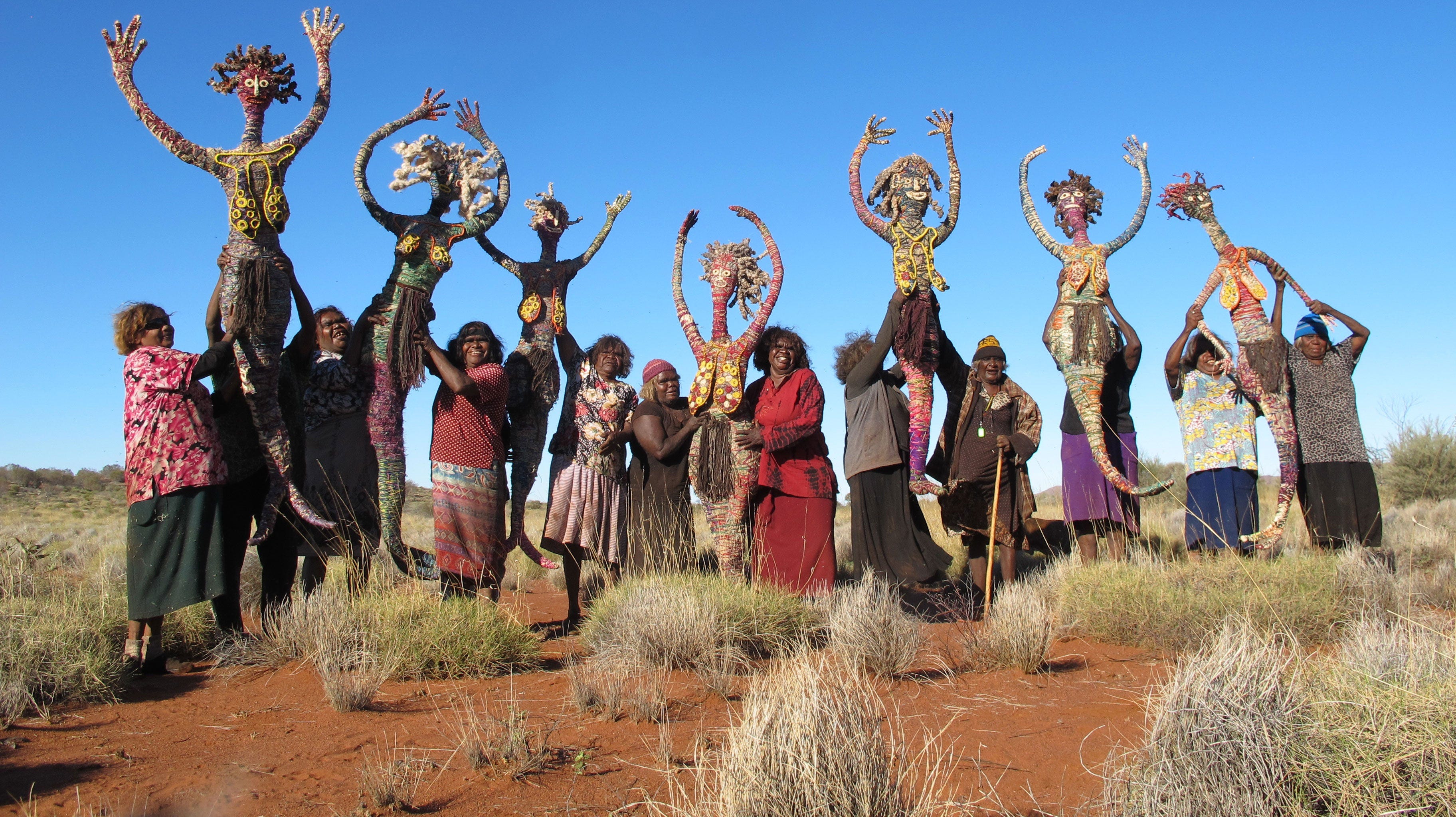
Across Australia, Indigenous art is one of the country’s most respected and internationally recognized cultural exports. From Arnhem Land to Central Desert communities, weaving traditions have been preserved for generations using pandanus, grasses, bark fiber, and natural dyes. Museums collect it. Galleries exhibit it. Interior designers source it. Global buyers pay premiums for authenticated, community-based work.
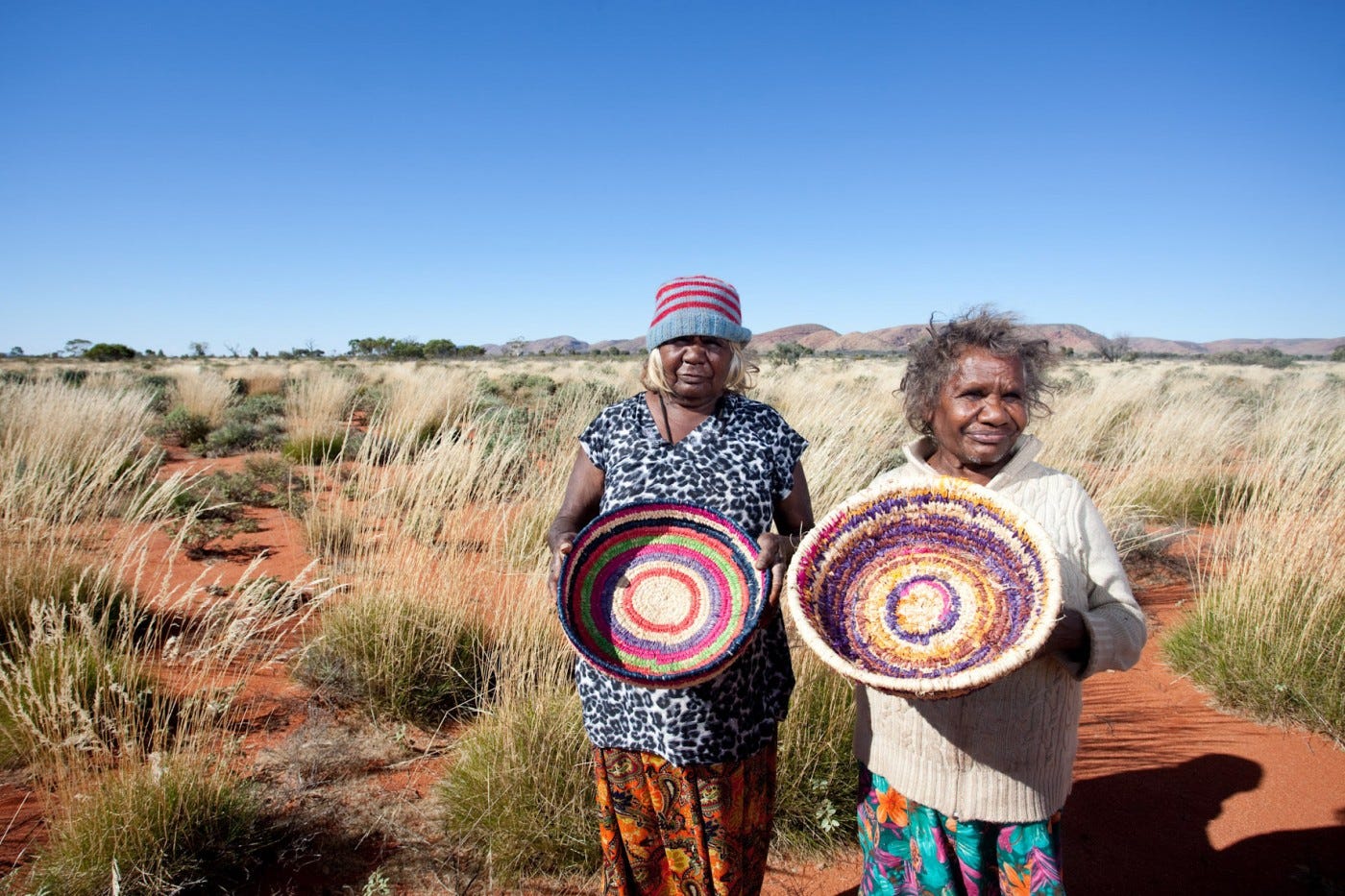
At the center of this opportunity is the weaver specialist: a trained artisan and coordinator who creates, curates, and maintains a weaving program in partnership with an Indigenous Australian community.
This role is not simply artistic production. It is a structured, end-to-end cultural manufacturing system that produces physical art, recurring collections, institutional partnerships, and licensable intellectual property.
When organized correctly, it becomes a scalable, plug-and-play revenue engine.
The Business Model: Community-Based Weaving as Structured Production
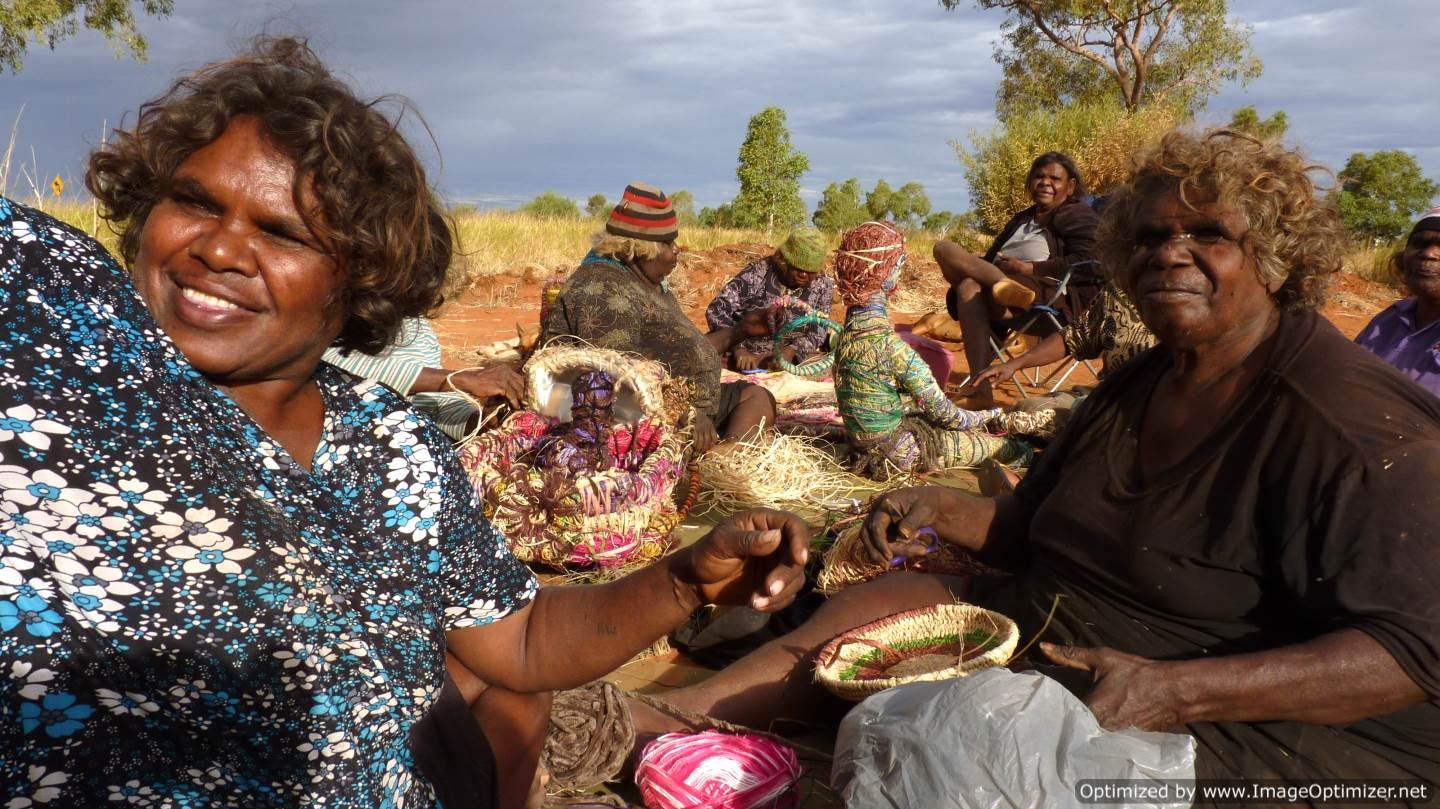
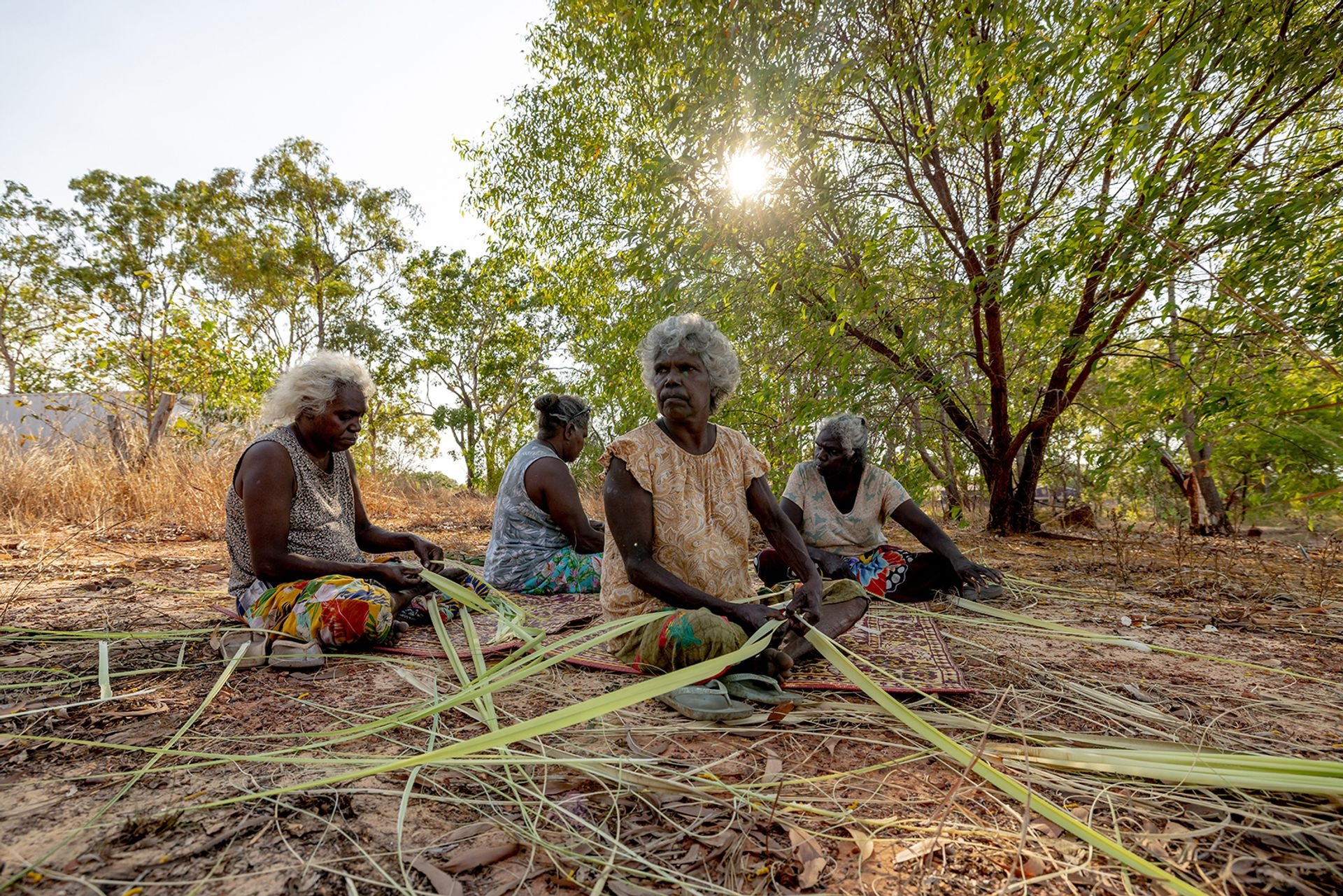
The weaver specialist operates a village-based weaving enterprise in partnership with an Indigenous community. In Australia, these are often referred to as remote communities or outstations, particularly in regions like Arnhem Land and areas connected to Desart.
The specialist handles:
Training and skill preservation
Quality control and finishing
Collection development
Pricing structure
Sales distribution
Authentication documentation
International shipping
Licensing agreements
The community focuses on weaving production. The specialist handles the commercial infrastructure.
That is the plug-and-play value.
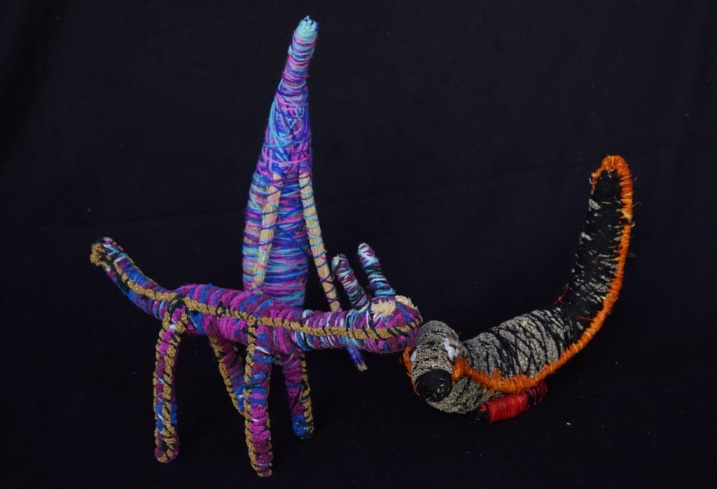
Collectors, designers, and institutions are not buying loose baskets from a roadside stall. They are buying a structured, authenticated cultural collection with documentation, provenance, and global logistics already solved.
Revenue Streams
Limited Collection Drops
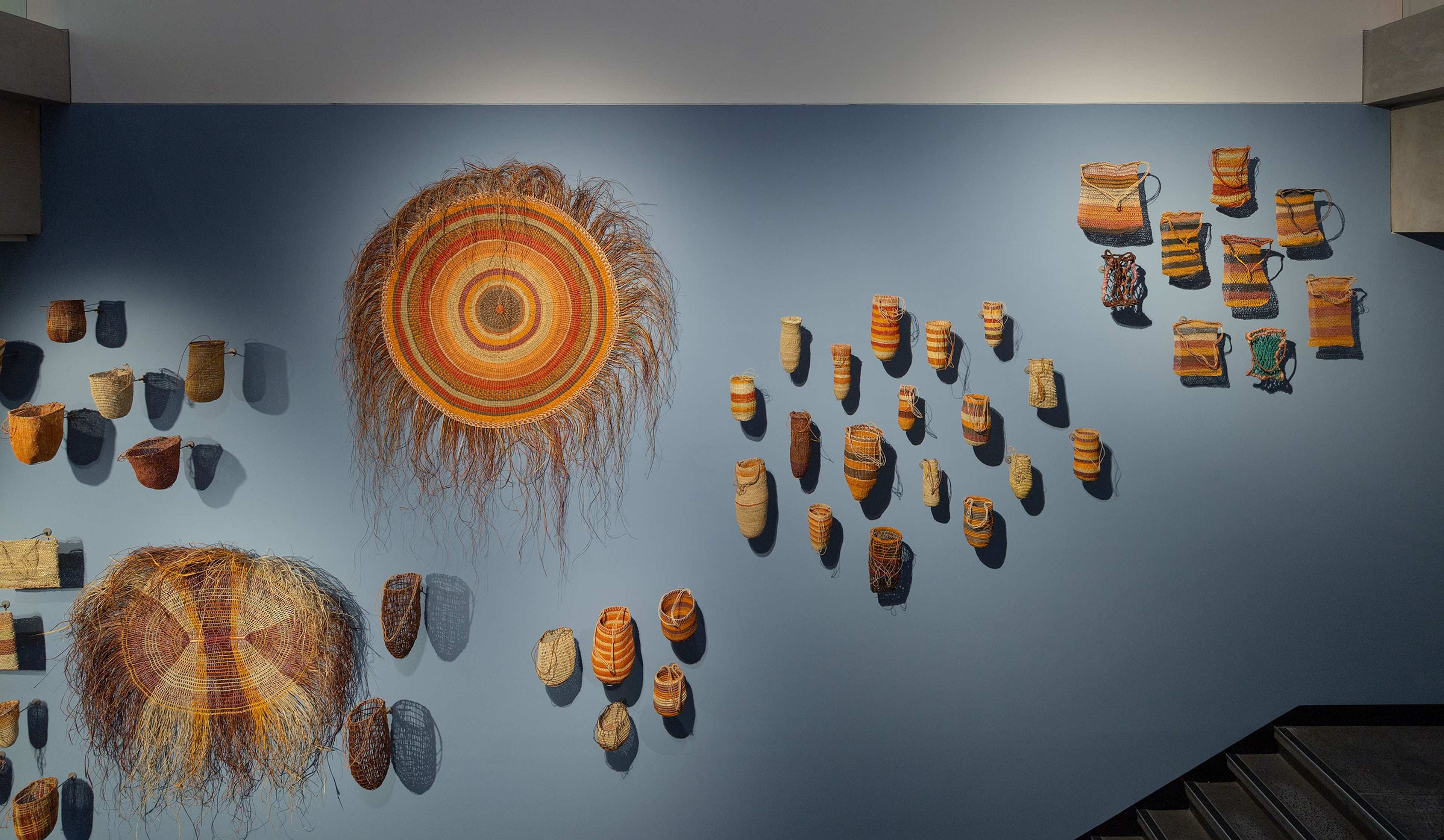
The enterprise releases curated seasonal weaving collections four times per year.
Each drop includes:
80–120 pieces
Mixed sizes, ceremonial baskets, sculptural forms
Certificates of origin
Community story documentation
Average retail price per piece: $350–$2,500
Average blended price: $850
If a quarterly drop includes 100 pieces at an average of $850:
Quarterly revenue: $85,000
Annual revenue: $340,000
After paying weavers 40–50 percent, plus logistics and materials, net operating margin can land around 30 percent.
Estimated annual profit: ~$100,000
Monthly equivalent: ~$8,300
That is from physical collections alone.
Interior Design & Hospitality Contracts
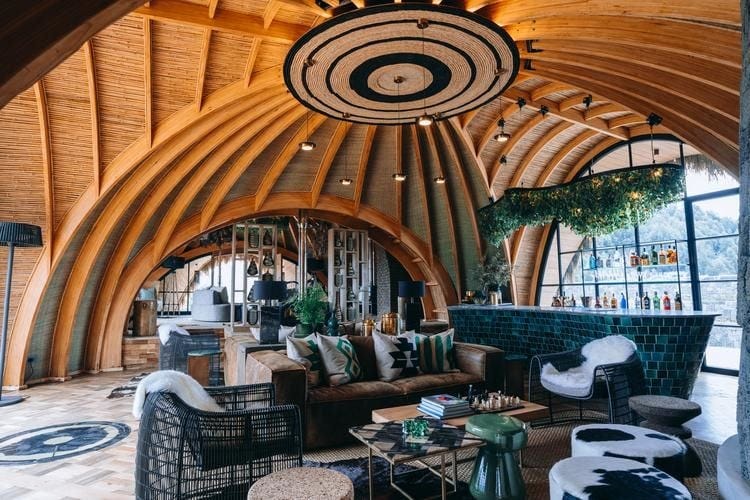
High-end Australian eco-resorts and international boutique hotels increasingly seek Indigenous-authenticated art installations. Properties near Uluru or in cultural tourism corridors command strong aesthetic value.
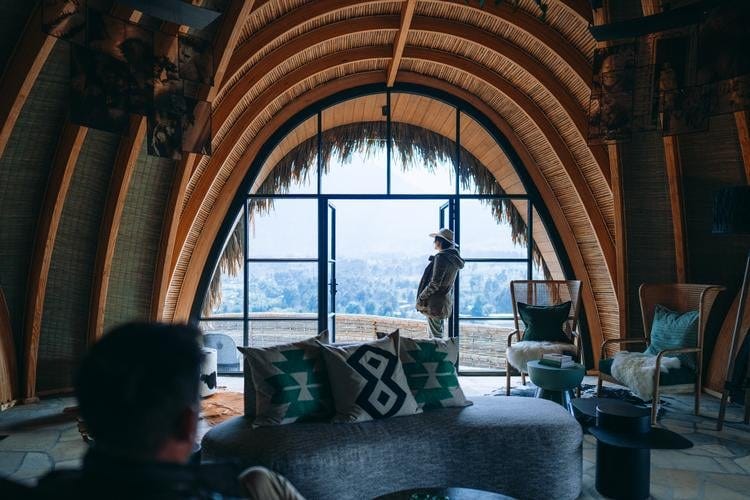
A hospitality contract might include:
40 woven wall installations
12 large-scale sculptural pieces
Custom color palettes
Installation coordination
Average contract value: $45,000–$120,000
Two contracts per year at $80,000 each:
Annual revenue: $160,000
Estimated profit margin: 35 percent
Annual profit: $56,000
Monthly equivalent: ~$4,600
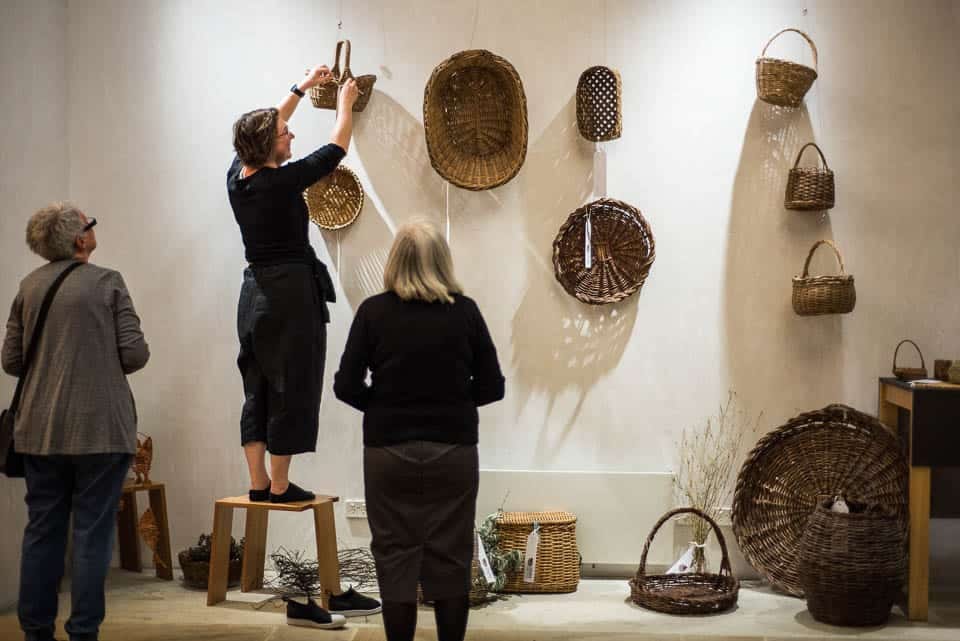
Museum & Institutional Partnerships
Institutions such as the National Gallery of Australia regularly collect Indigenous works.
Museum-scale acquisitions or commissioned collections can range from $20,000 to $150,000 depending on scope.
Even one $60,000 institutional contract annually adds ~$20,000 in profit after costs.
Licensing & Design Replication
The real scalability comes from intellectual property.
High-resolution pattern documentation allows:
Textile licensing
Wallpaper collaborations
Fashion partnerships
Ethical homeware manufacturing
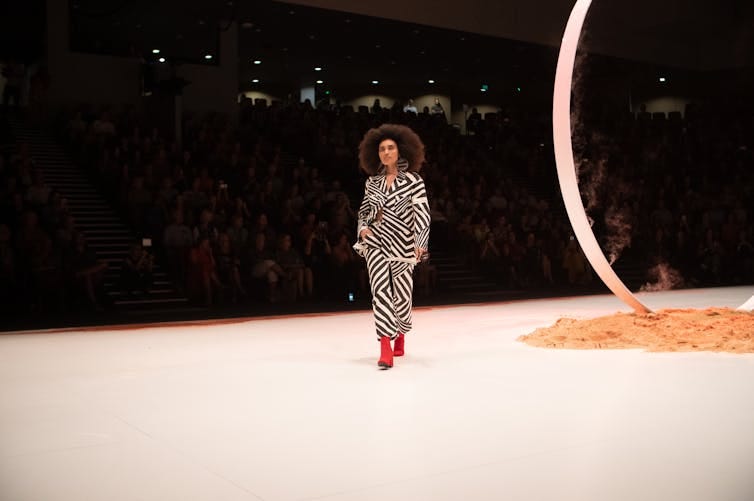
If a pattern license is granted to a design brand at $15,000 per agreement and three agreements are secured annually:
Annual licensing revenue: $45,000
Margins: 80–90 percent
Annual profit: ~$36,000
Licensing requires no additional weaving labor. It monetizes existing designs.
Conservative Annual Model
Physical collection drops: $100,000 profit
Hospitality contracts: $56,000 profit
Museum partnership: $20,000 profit
Licensing: $36,000 profit
Total annual profit: ~$212,000
Monthly equivalent: ~$17,600
At stronger scale, with expanded drops and more licensing, $30,000–$35,000+ per month becomes realistic.
How It Becomes Plug and Play
The weaver specialist documents everything:
Material sourcing protocols
Natural dye methods
Pattern catalog indexing
Pricing matrix
Authentication template
Sales agreements
Shipping SOPs
Community revenue-sharing structure
This documentation becomes a WITS SPOTLIGHT system.
Buyers are not buying “art.”
They are buying a fully operational Indigenous weaving enterprise model.
A collector, ethical investor, or cultural entrepreneur can acquire:
The full operational framework
Community partnership structure
Drop calendar
Licensing playbook
End-to-end sales workflow
The seller manages complete end-to-end execution:
Collection development
Quality control
Photography
Story documentation
Sales page creation
Institutional outreach
Licensing negotiations
Global fulfillment
The buyer steps into a ready infrastructure.
Why Demand Continues to Grow
Global demand for authenticated Indigenous art
Increased ethical sourcing awareness
Sustainable materials appeal
Interior design trend toward organic forms
Government and institutional cultural funding
Indigenous weaving is both cultural preservation and commercial production.
That dual value increases long-term resilience.
What $35,000+/Month Looks Like
Four 120-piece drops annually
Three hospitality contracts per year
Two institutional partnerships
Five active licensing agreements
20 percent of revenue reinvested into community expansion
At that level, structured operations, assistant coordinators, and clear governance multiply scale without compromising cultural integrity.
Final Positioning
A weaver specialist operating in partnership with an Indigenous Australian community is running a cultural manufacturing and licensing enterprise.
Revenue is generated through:
Physical art sales
Contract installations
Institutional acquisitions
Design licensing
Limited seasonal drops
When structured as a documented, end-to-end, plug-and-play system, it becomes a scalable production model that preserves culture while generating strong recurring income.
The opportunity is not simply in weaving.