
Launch and Run a Small Scale Thrift Resale Store With $15,000 to $25,000 Annual Potential
Money & Finance → Thrift and Vintage Revenue Systems


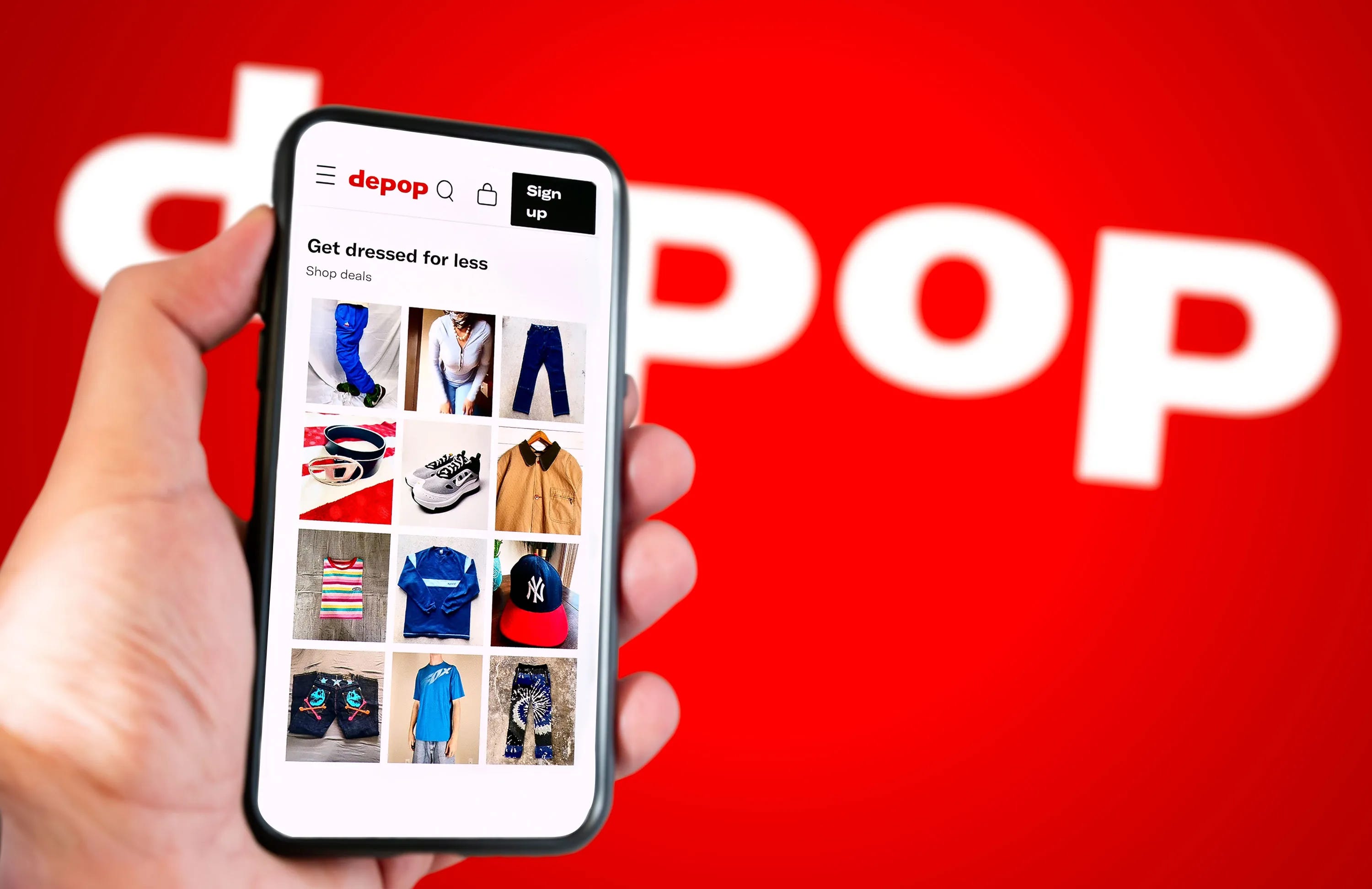
Thrift is not a hobby anymore. Resale is a $30B+ segment in the US and still growing. Individual sellers on Depop, eBay, and similar platforms regularly generate meaningful side income or full time revenue.
But most people who want to enter resale stall at the same place:
They do not know how to source.
They do not know how to grade inventory.
They do not know how to price.
They do not know how to structure listings.
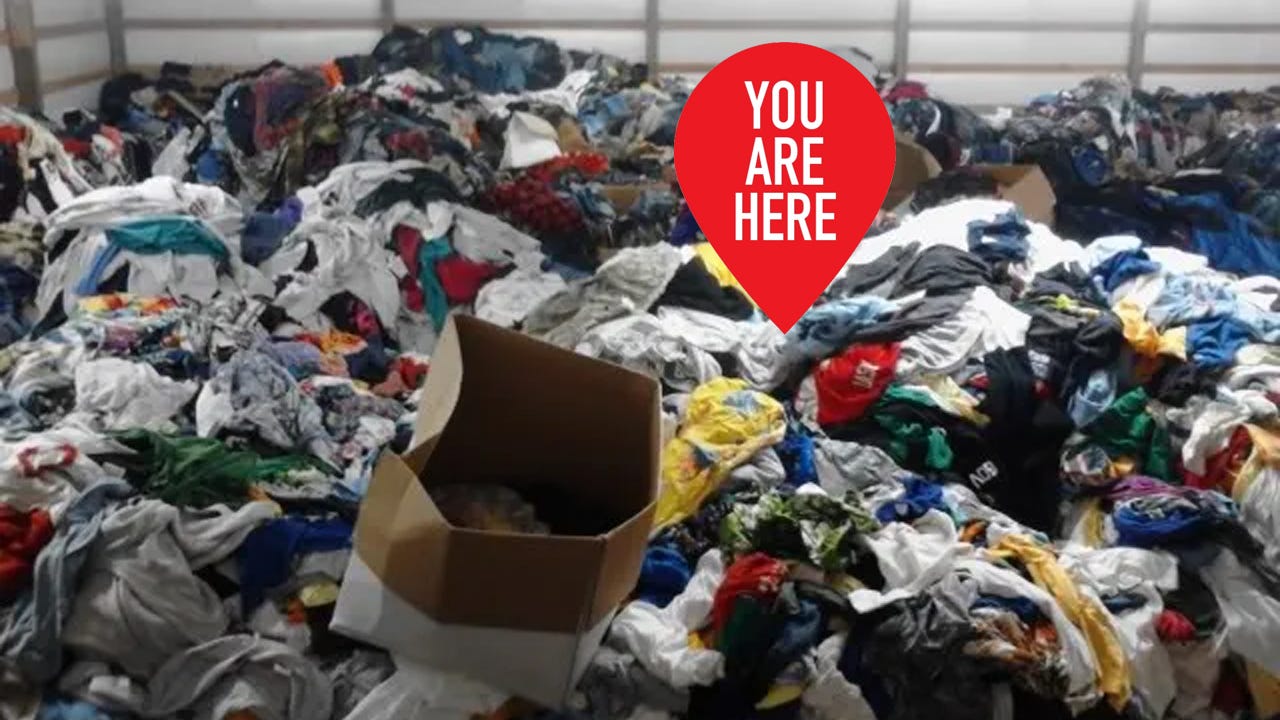
They burn out after 20 items.
This is where a WITS SPOTLIGHT becomes powerful.
Instead of selling “thrift advice,” a seller posts a structured operational module:
Launch and Manage a Small Scale NYC Thrift Resale Store.
This is not consulting.
This is execution capacity.
What the SPOTLIGHT Actually Delivers
Outcome:
A fully operational online thrift store, live on Depop or eBay, with initial inventory sourced, photographed, listed, and optimized for resale.
Timeframe:
30 days from kickoff to live store with 100 to 200 active listings.
Scope:
• Sourcing inventory from NYC thrift shops, bins, estate sales
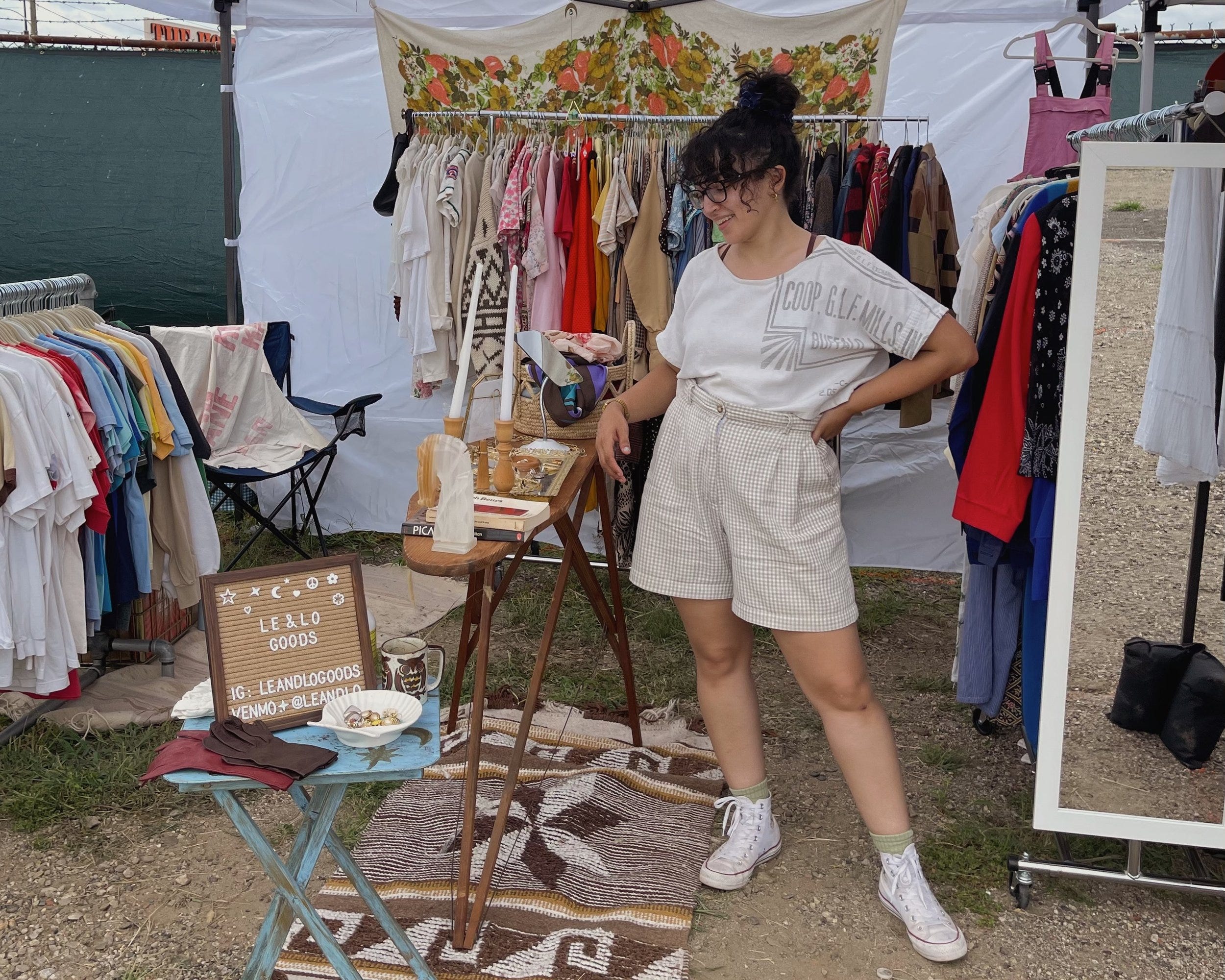
• Cleaning and basic prep
• Photography and listing creation

• Store branding and setup
• Pricing strategy
• Basic fulfillment workflow
• First month inventory rotation plan
The buyer can choose:
DIY support, where the seller builds the system and trains the buyer
or
Managed execution, where the seller runs sourcing and listing for the first cycle
That is a real SPOTLIGHT.
Why This Fits WITS Mechanics
It is time bound.
It is structured.
It has defined deliverables.
It has real economic upside.
It can be repeated.
The seller is offering operational capacity:
“I can stand up and run a resale engine for one buyer during this 30 day window.”
That is auctionable capacity.
The Money Breakdown
Let’s walk through realistic numbers.
This is not fantasy. This is conservative NYC thrift math.
Startup Costs for the Buyer
Inventory
Average thrift sourcing cost per item in NYC bins or discount days: $3 to $8 per piece
If targeting 150 pieces at average $6 cost: $900 inventory spend
Photography Setup
Basic lighting and backdrop: $200 to $400
Packaging Supplies
Polymailers, tape, labels: $150
Platform Fees
Depop and eBay typically take 10 to 15 percent of sale price.
Payment processing adds ~3 percent.
Working Capital Cushion
Shipping and returns buffer: $300 to $500
Total Estimated Startup Cash Required:
$1,800 to $2,500
That is a manageable entry point.
Revenue Scenario
Conservative resale pricing for curated vintage:
Average resale price per item: $28 to $45 depending on niche
Assume conservative average: $35 per item
If 150 items sell over 60 to 90 days:
150 x $35 = $5,250 gross revenue
Platform and processing fees at 18 percent combined: Approx $945
Net before cost of goods: $4,305
Subtract inventory cost of $900: $3,405 gross margin before labor
That is on the first batch alone.
If the operator cycles 150 items every 60 days:
Annualized potential at steady rhythm: 6 cycles x $3,405 ≈ $20,000 gross margin before labor
At higher volume, this scales quickly.
What the Seller Charges for the SPOTLIGHT
Now we bring it back to WITS.
The seller is not working for free.
This SPOTLIGHT could be structured as:
Base module fee: $1,500 to $3,000 depending on involvement
If managed execution for full 30 days: Higher end of range
If advisory plus system setup: Lower end
Now the math for the buyer looks like:
$2,000 startup
$2,000 module fee
Total initial exposure: ~$4,000
If first 2 inventory cycles generate ~$6,800 in gross margin,
the buyer is near break even or profitable within 4 to 6 months.
This becomes rational.
Not hype. Not fantasy. Operational math.
Why This Works as a WITS Vertical
Low trust barrier.
No one is entering a corporate office.
No security clearance required.
No infrastructure risk.
High repetition.
Thrift sourcing happens weekly.
Inventory refresh is constant.
Auction friendly.
Multiple experienced thrift operators can bid to launch and manage similar modules.
Their differentiation becomes:
• Sourcing network
• Style niche
• Sell through rate history
• Speed
Capacity is limited.
Each seller can only run a certain number of stores per month.
That scarcity creates bidding.

The Bigger Vision
This is not about one Depop store.
This is how your modules could evolve into:
Bulk curated lots
Pop up vintage rack installs
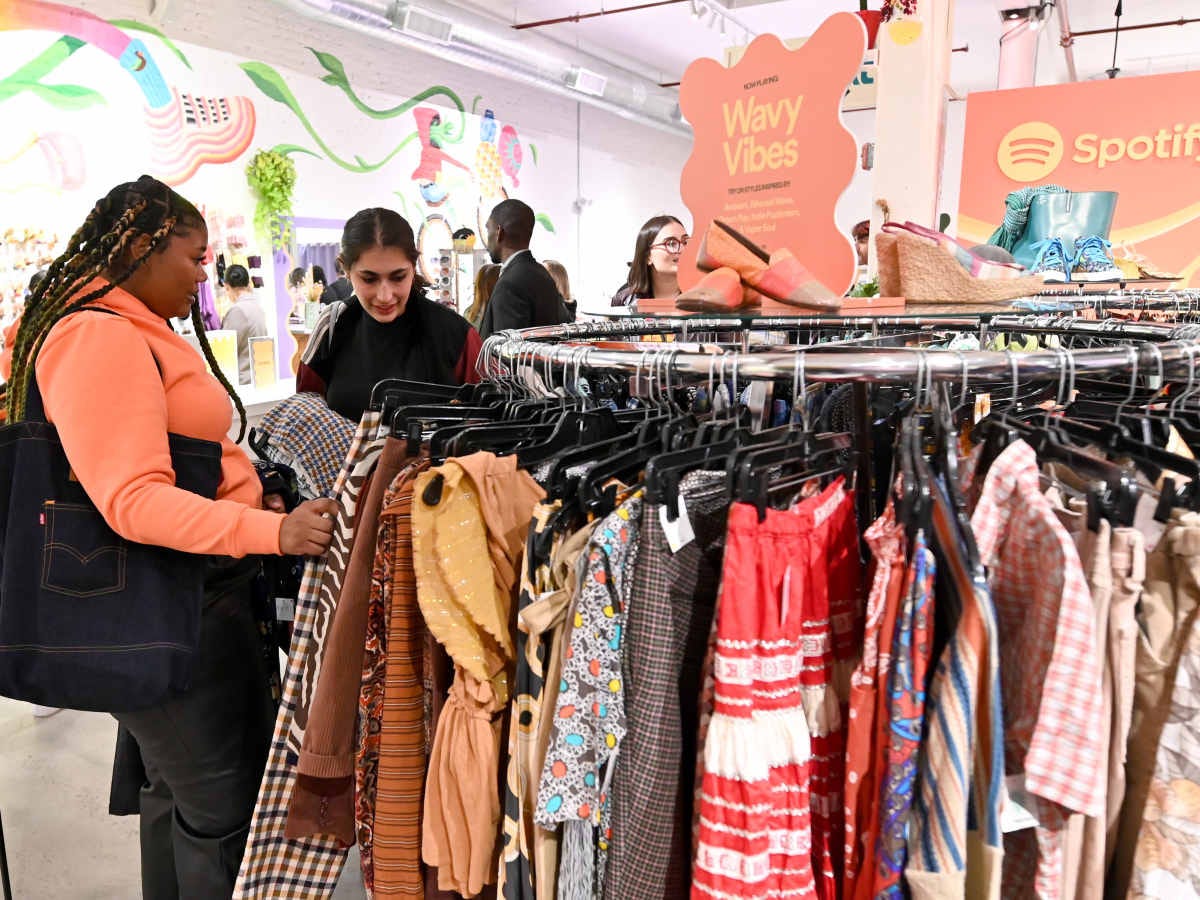
Event resale booths
Influencer thrift capsule drops
Managed resale for brands testing sustainable lines
But the starting point is simple:
One defined, structured thrift resale engine.
Built. Run. Measured. Repeatable.