
AFRICA'S TRADE EXPANSION WILL CREATE A NEW MARKET FOR GOODS AND SYSTEMS
Trade Growth → Operational Friction → System Design → Transferable Economic Value

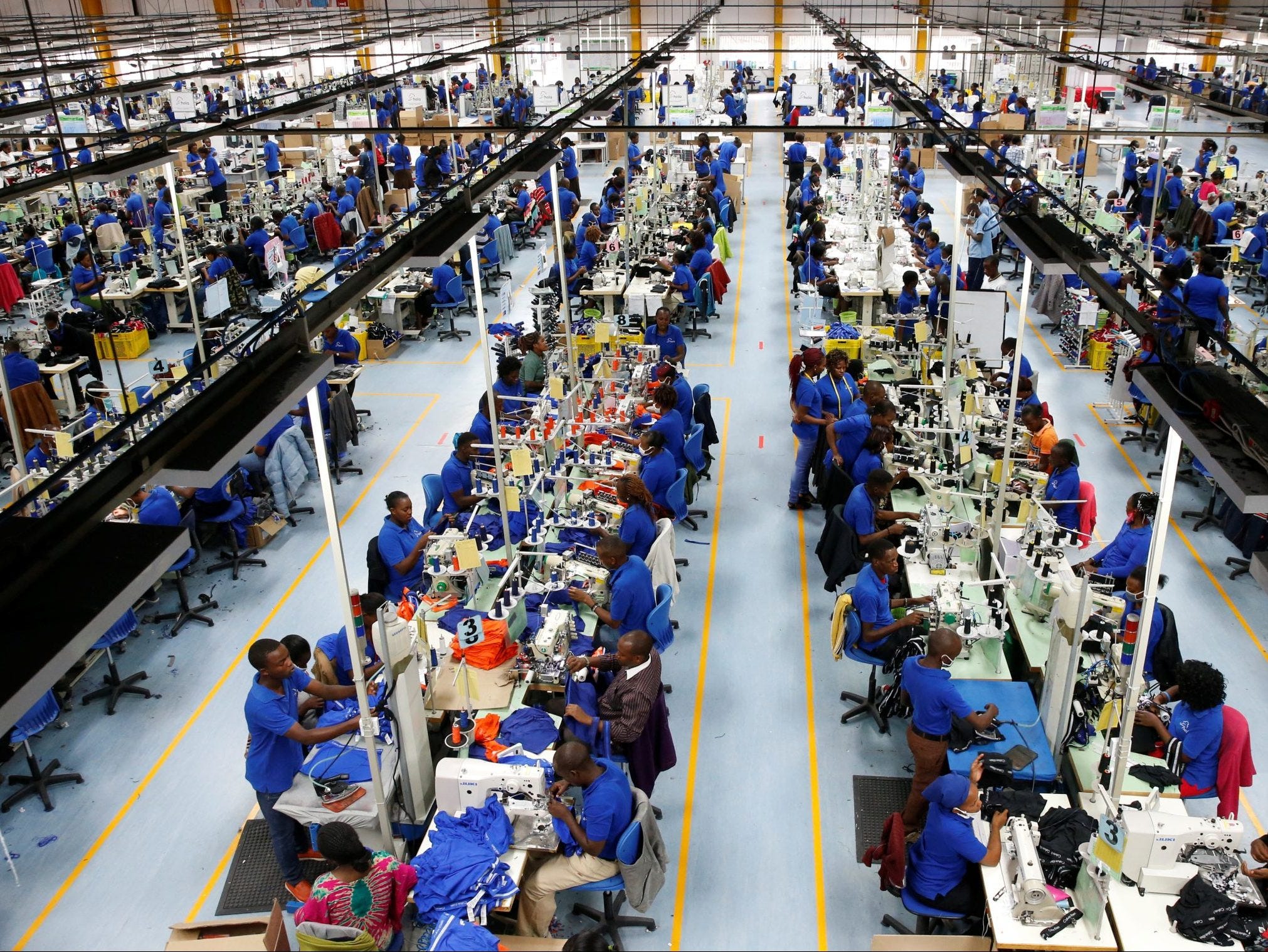
For decades, much of Africa's trade model focused on exporting raw materials, agricultural products, and commodities to buyers in Europe, Asia, and North America. While international trade remains important, one of the continent's biggest opportunities now lies within Africa itself. As infrastructure improves and regional trade agreements connect markets across dozens of countries, businesses gain access to a growing customer base of more than 1.4 billion people. The future of African trade is increasingly centered on moving goods, services, and value between African countries, creating stronger regional supply chains, supporting local industries, and keeping more economic activity within the continent.
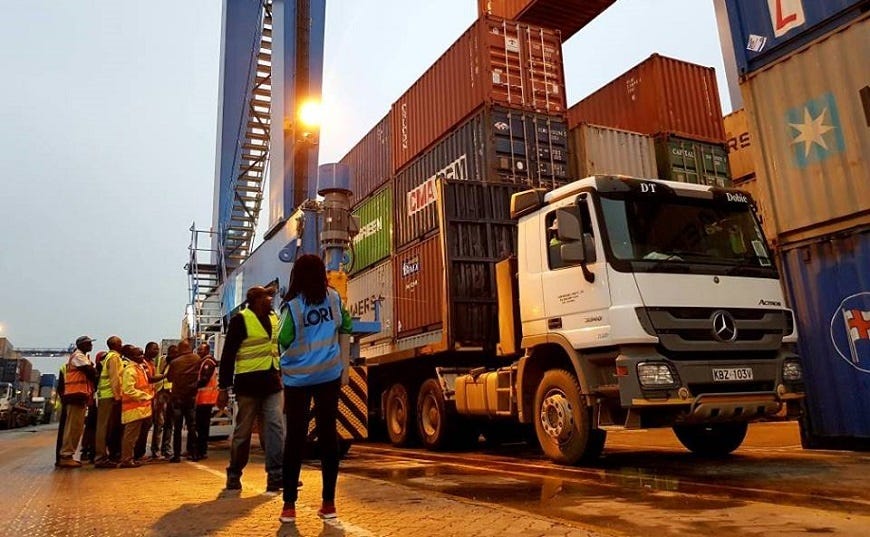
This expansion increases the movement of goods across borders, but the real constraint is the execution layer that makes that movement possible. Every transaction depends on sourcing, supplier verification, negotiation, compliance, logistics coordination, payments, documentation, and delivery, and each step depends on systems that vary widely between markets.

The consistent outcome across these fragmented environments is that operators who succeed in trade are not only moving goods but repeatedly solving the same categories of operational problems. These include identifying reliable suppliers, structuring procurement workflows, managing cross-border logistics, ensuring payment security, and maintaining quality control across inconsistent infrastructure. Each of these operational solutions already contains a structured system inside it, even if it has not been formalized or reused beyond its original use.

WITS is applied by taking any functioning trade operation and extracting the workflow that makes it work in practice. A sourcing operation is observed in detail until the steps become explicit, including how suppliers are found, how they are evaluated, how pricing is negotiated, how orders are structured, how payments are secured, and how delivery is coordinated. A logistics operation is observed in the same way, including how shipments are planned, how customs is handled, how transport partners are selected, and how delays are managed. A consulting operation is broken down into the repeatable methods used to solve sourcing, compliance, and market entry problems across different clients.

Once these workflows are extracted, WITS is used to structure them into usable systems. The sourcing workflow becomes a procurement system that another business can follow to enter a new market. The logistics workflow becomes an operational coordination system that another operator can apply in a different corridor. The consulting workflow becomes a set of templates, checklists, training modules, and implementation guides that reproduce the same outcomes without requiring the original operator.
These systems are then turned into revenue through direct packaging and distribution.

A sourcing company packages its procurement workflow into a structured system that is sold to importers and exporters entering new regions. A logistics company packages its coordination methods into a licensed framework that other logistics operators adopt to reduce delays and improve reliability. A consultant packages accumulated execution knowledge into system-based products that are sold as training, implementation kits, and operational playbooks.
Each system creates two revenue streams from the same activity. The first comes from executing trade services in real time. The second comes from selling the system that enables that execution. A sourcing operation generates revenue when goods are moved, and then generates additional revenue when the sourcing system is sold to others who need the same capability. A logistics operator generates revenue from shipments, and then generates additional revenue from licensing the coordination system behind those shipments. A consultant generates revenue from advisory work, and then generates additional revenue from structured execution systems built from that work.

As more trade activity occurs across Africa, more operational systems are created through real execution. Each system becomes a reusable asset that can be sold, licensed, or adapted across other markets facing similar constraints. Over time, the primary source of value in trade expands from physical goods alone into the systems that make trade execution reliable.

WITS is the structure used to capture these systems, organize them into usable formats, and distribute them as SPOTLIGHTS that other operators can deploy directly in real trade environments. A SPOTLIGHT is created by taking a working operational workflow and converting it into a structured system that someone else can use to replicate the same outcome. This includes sourcing systems for specific commodities, procurement systems for entering new markets, logistics systems for managing cross-border delivery, and compliance systems for handling documentation and regulatory requirements.

A sourcing operation in Ghana that connects agricultural producers with international buyers produces a procurement system that includes supplier discovery methods, quality control processes, export documentation workflows, payment structures, and buyer onboarding systems. That entire workflow becomes a sellable SPOTLIGHT that other exporters use to enter the same category without building the process independently.

A logistics operator managing shipments between West African cities produces a coordination system that includes route planning, customs handling, warehouse synchronization, and delay management processes. That system becomes a licensed operational framework that other logistics companies apply in different corridors.

A trade consultant working across multiple markets produces a library of execution methods for sourcing, negotiation, compliance, and fulfillment. Those methods become structured training systems, templates, and implementation kits that are sold repeatedly instead of being used once per client.

Revenue expands as each operational system becomes a product. Trade execution continues generating income, and the systems behind trade execution generate additional income through sales, licensing, and replication. The same work produces immediate transaction revenue and ongoing system revenue.

As trade continues to scale across Africa, the most valuable operators are those who generate systems from execution and then distribute those systems to others who need reliable ways to operate in fragmented markets. WITS is the mechanism that captures those systems at the point of execution and turns them into structured assets that can be deployed, sold, and reused across multiple trade environments.