
How to Build $10M+ Annual Revenue by Owning Manufacturing Access in Vietnam
Vietnam is not an “emerging market” story anymore.

How to Build $10M+ Annual Revenue by Owning Manufacturing Access in Vietnam
Vietnam is not an “emerging market” story anymore.
It is a global manufacturing arbitrage engine, and the operators who understand how to position inside it are quietly building eight and nine figure businesses.
This is not about moving factories.
It is about controlling access to production where demand already flows.

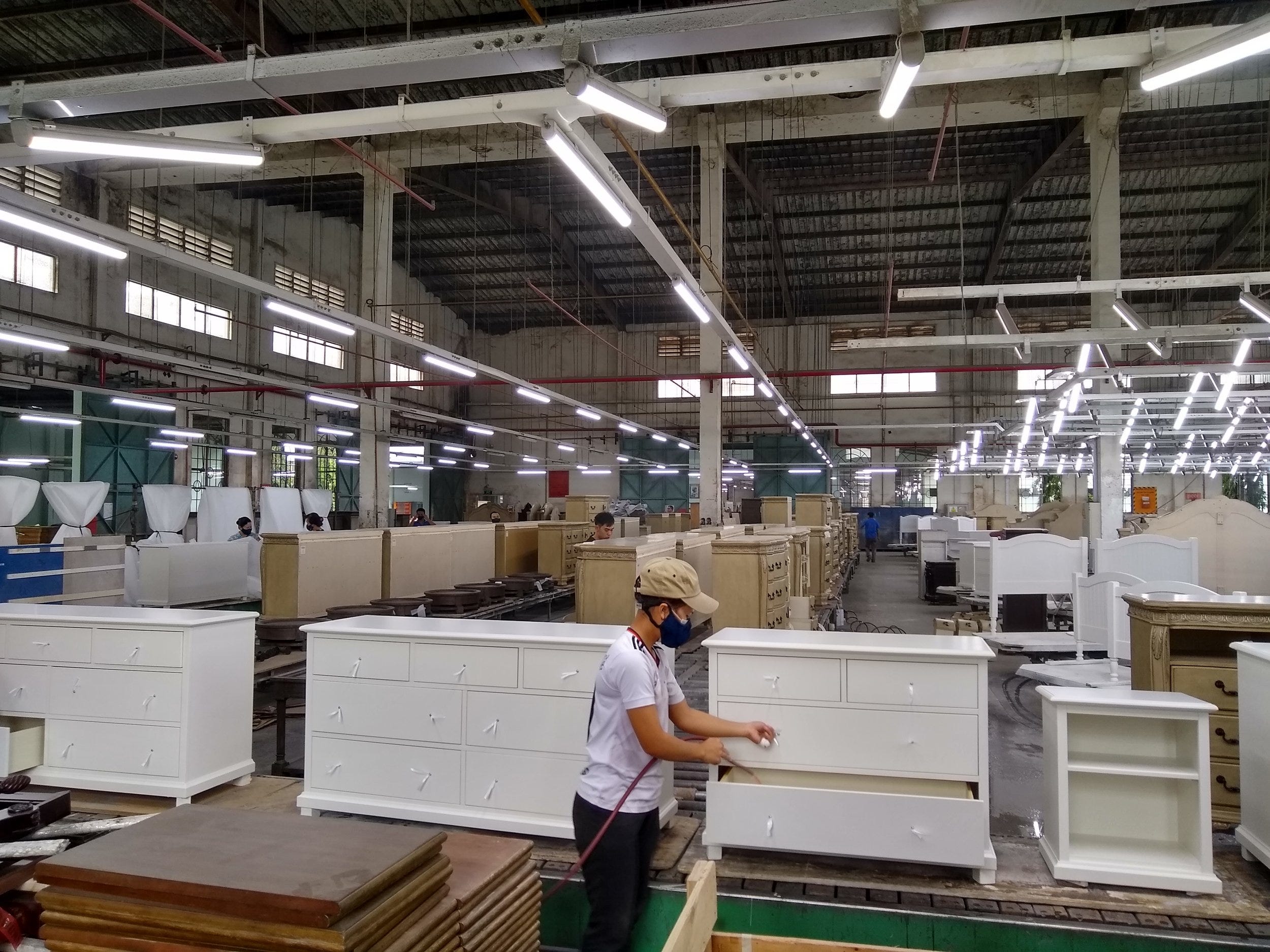
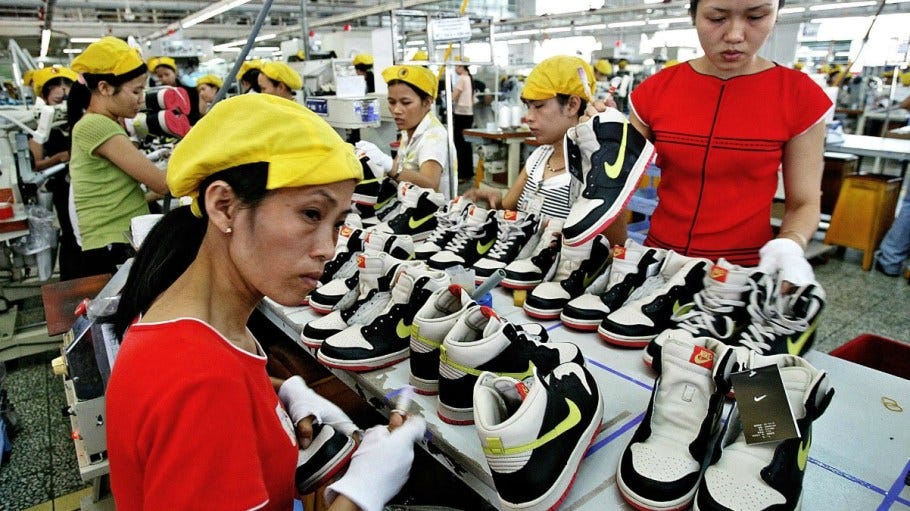
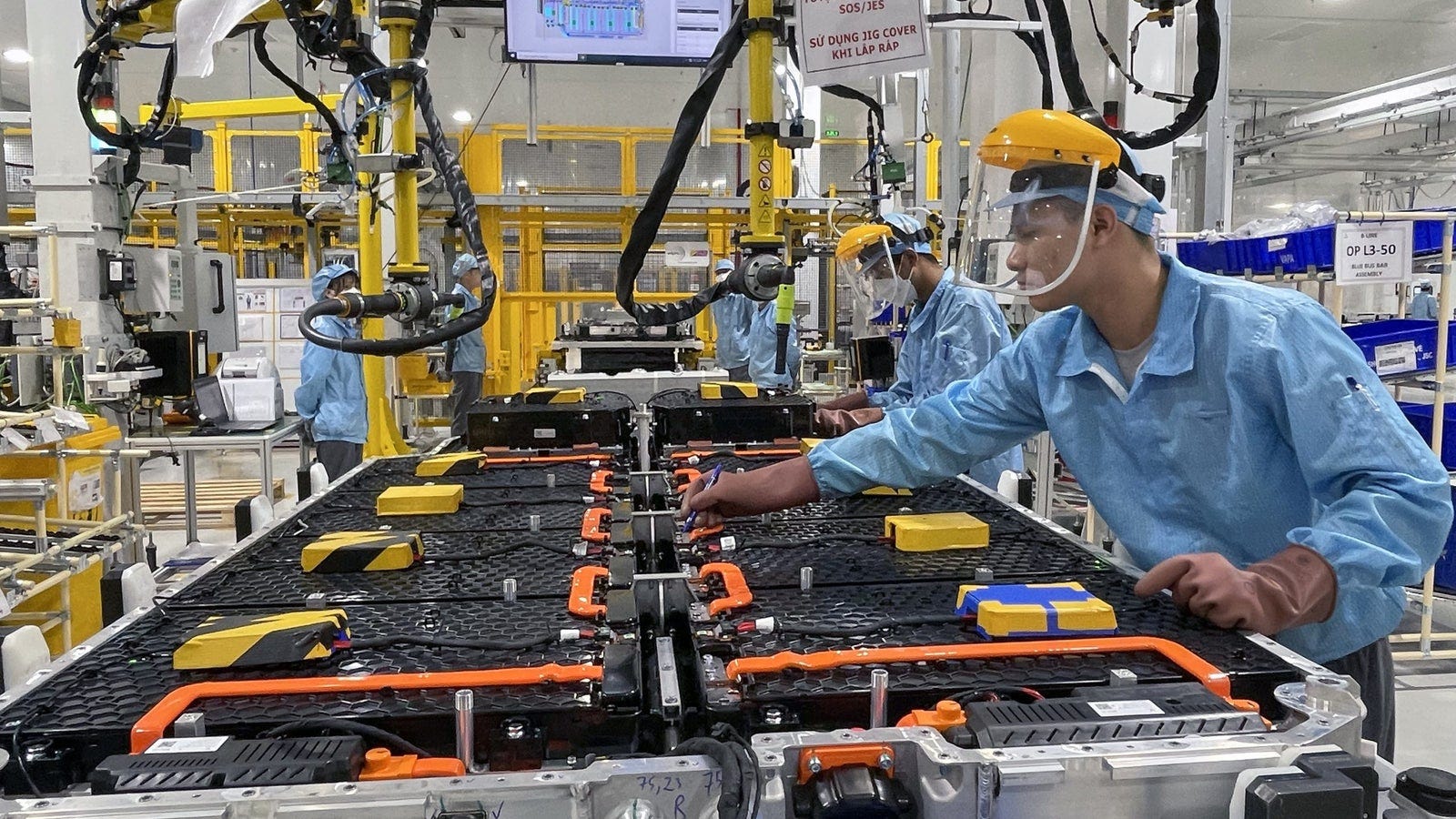
Vietnam’s Manufacturing Power : A Factory Tour Across 4 Key ...
Why Vietnam Prints Manufacturing Money
Vietnam sits at the intersection of three forces that almost never align this cleanly:
• Lower labor costs than China
• Rising quality and compliance standards
• Preferential trade access to the US and EU
For buyers, Vietnam reduces risk.
For operators, it increases margin.
That spread is where the money lives.
The Real Advantage Is Access, Not Ownership
The most profitable players in Vietnam do not always own factories.
They control production relationships, line priority, and throughput.
Access beats ownership when demand outpaces capacity.
Once a buyer trusts a Vietnamese facility, switching is painful. Tooling, supplier coordination, QA standards, and timelines lock them in.
That dependency compounds.
Where the $10M Comes From
Vietnam dominates in categories with massive reorder velocity:
• Apparel and technical textiles
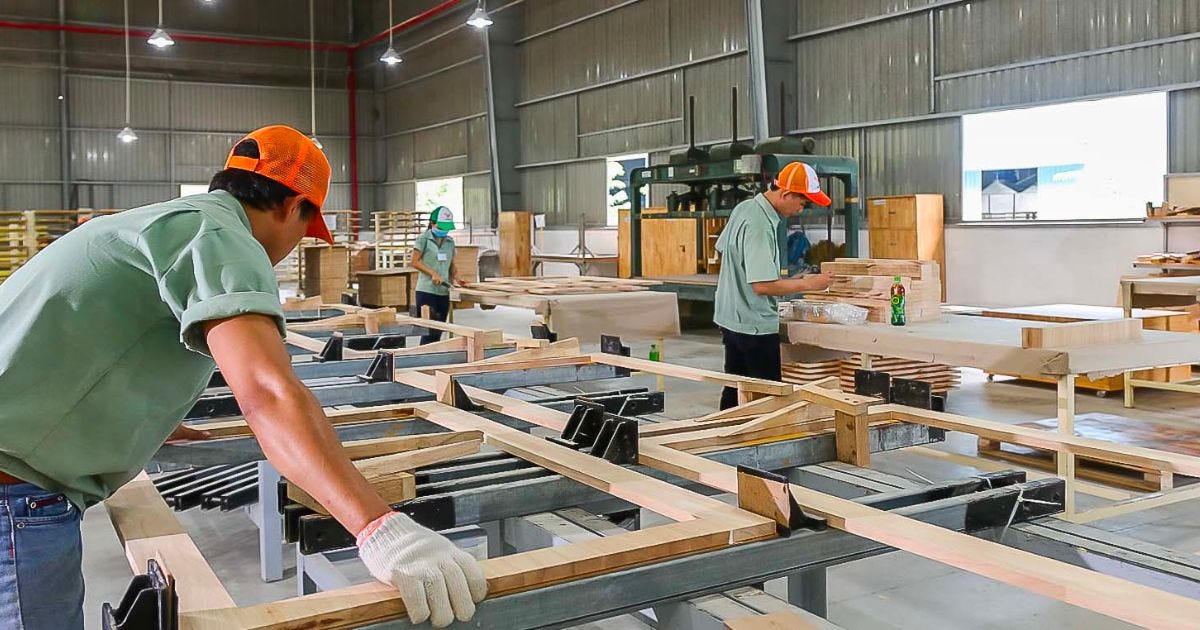
• Furniture and home goods
• Footwear and accessories
• Consumer electronics assembly
• Packaging and components
These are not seasonal experiments. They are supply chains.
The Model: Brokered Capacity With Locked Demand
The winning structure looks like this:
• Secure preferred access to multiple factories
• Specialize by category, not everything
• Sell production slots, not products
• Lock buyers into rolling reorder agreements
You are not a middleman.
You are a gatekeeper.
Reorders Are the Engine
Once production is approved, buyers prioritize:
• Consistency
• Lead time reliability
• Communication
• Risk reduction
Vietnamese manufacturers who meet these standards become permanent partners.
That permanence turns into predictable revenue.
Clear Revenue Math
This is standard, repeatable economics.
Example in furniture or apparel manufacturing:
• Average client order value: $500,000 per quarter
• Gross margin on production access: 12 percent
• Revenue per client per year: $240,000
Scale through parallel buyers.
• 45 active buyers
• Annual revenue: $10.8M
Margins improve as volume increases and factory leverage strengthens.
No consumer brand exposure. No inventory risk if structured correctly.
Why This Opportunity Is Accelerating
Vietnam benefits directly from global supply chain rebalancing:
• Brands are diversifying away from China
• Tariff sensitivity is reshaping sourcing
• Buyers want redundancy, not dependency
Vietnam is now default, not alternative.
Those who control access win.
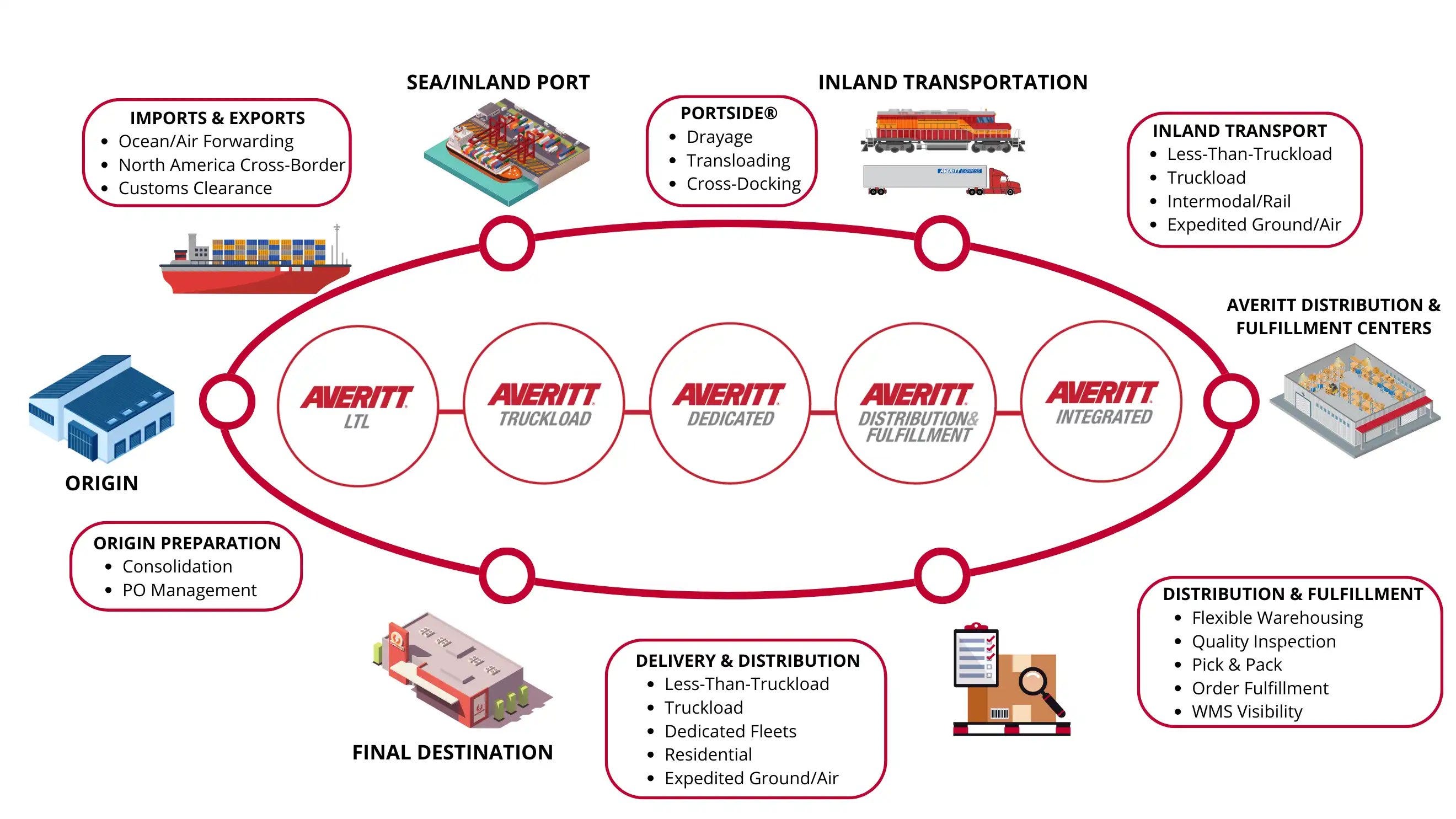
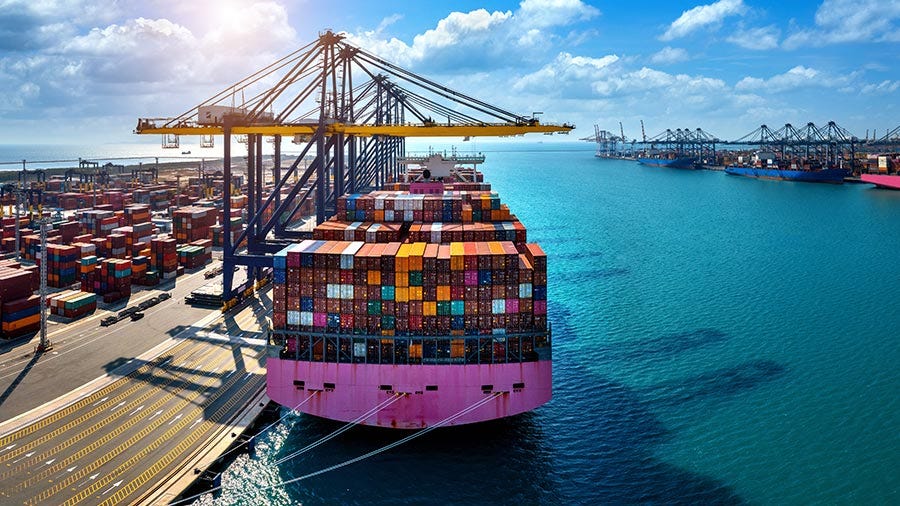
Exploring China+1, +2, +3 for a More Adaptive Supply Chain
How This Shows Up as Real Leverage on WITS
WITS highlights manufacturing advantage where geography, capacity, and contracts intersect.
Vietnam-focused Manufacturing & Production SPOTLIGHTS surface:
• Factory access and priority slots
• Category-specific production networks
• Compliance-ready suppliers
• Reorder-backed revenue positions
These are not ideas.
They are economic footholds.
Why Country-Specific Manufacturing Matters
Manufacturing is local.
Money is global.
Operators who understand where production power concentrates can scale faster than those who stay generic.
Vietnam is one of those places.