
How to Build $12M+ Annual Revenue by Controlling Transport Flow in Senegal
Senegal does not generate transport wealth by owning fleets. It generates it by controlling movement chokepoints.

The operators who make real money here are not drivers or logistics companies. They are the ones who manage access, routing, and priority inside a system where movement is essential and alternatives are limited.
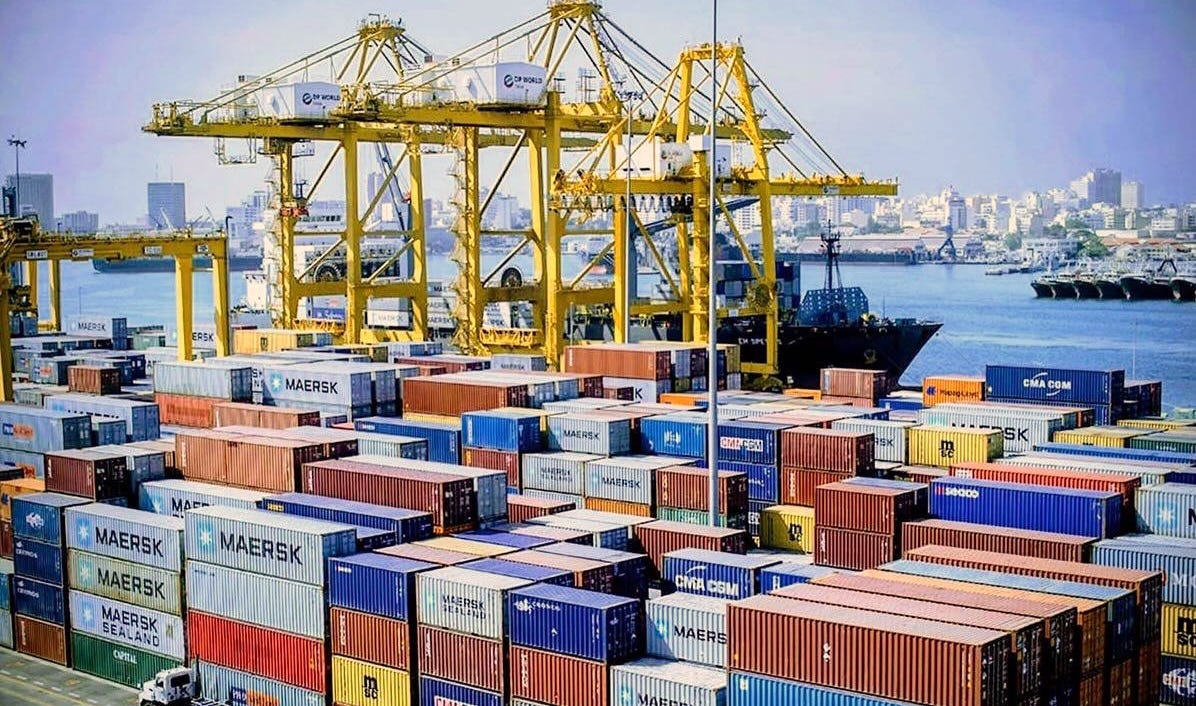
The Transport Reality Most Outsiders Miss
Senegal is a gateway economy.
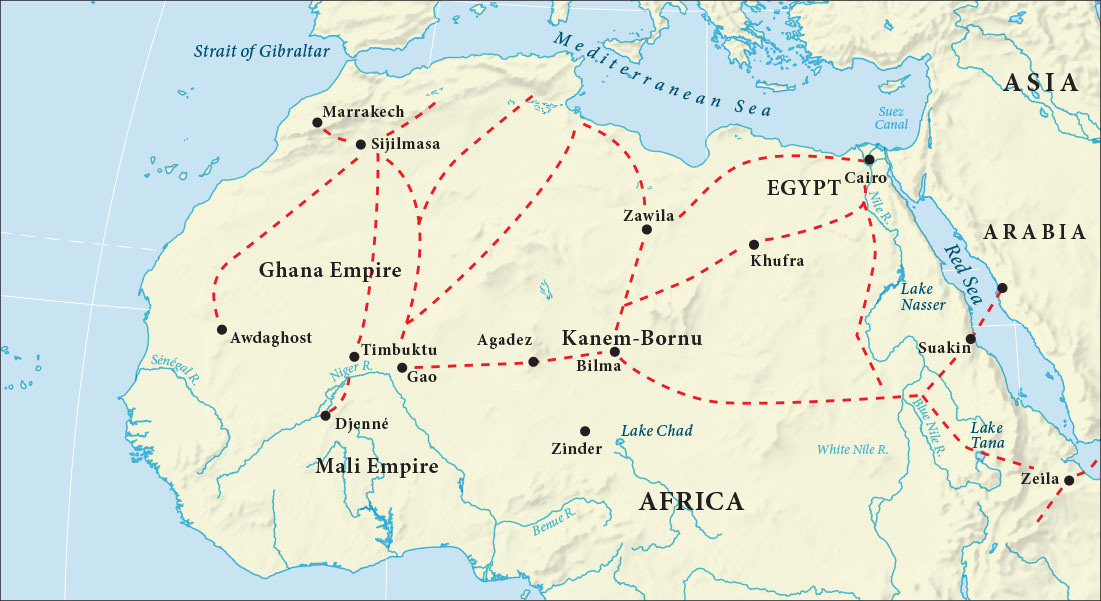
It sits at the intersection of:
• Regional trade corridors
• Port-driven import and export flows
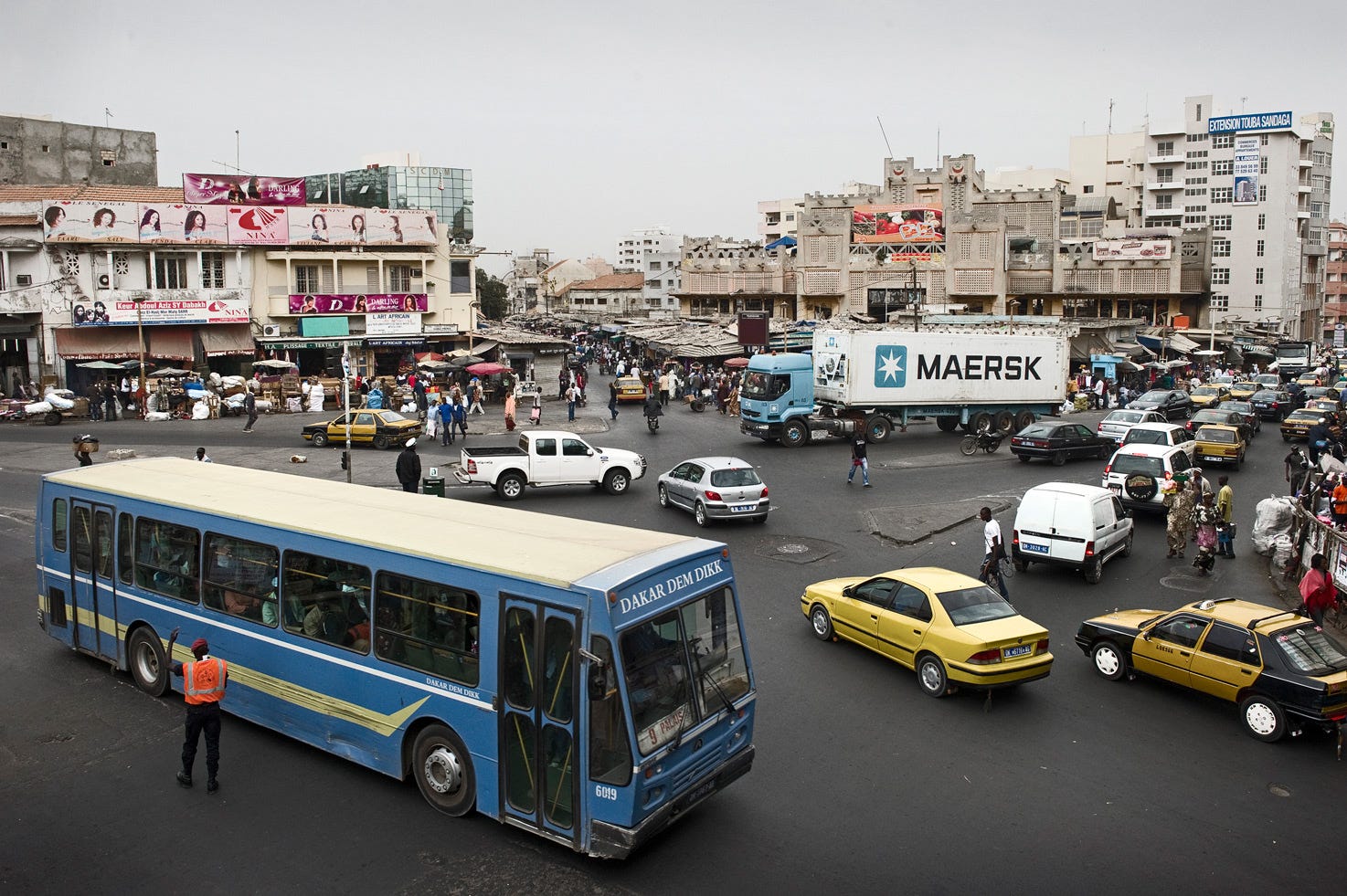
• Urban expansion in Dakar
• Cross-border movement into West Africa
Transport demand is constant.
Transport efficiency is scarce.
Scarcity creates leverage.
The Asset Is Permission to Move
The most valuable transport businesses in Senegal do not sell rides.
They sell reliability.
That reliability comes from:
• Route priority
• Port access coordination
• Terminal relationships
• Regulatory navigation
• Timing certainty
If goods or people must move, someone controls how smoothly that happens.
That controller gets paid.
Where the $12M Comes From
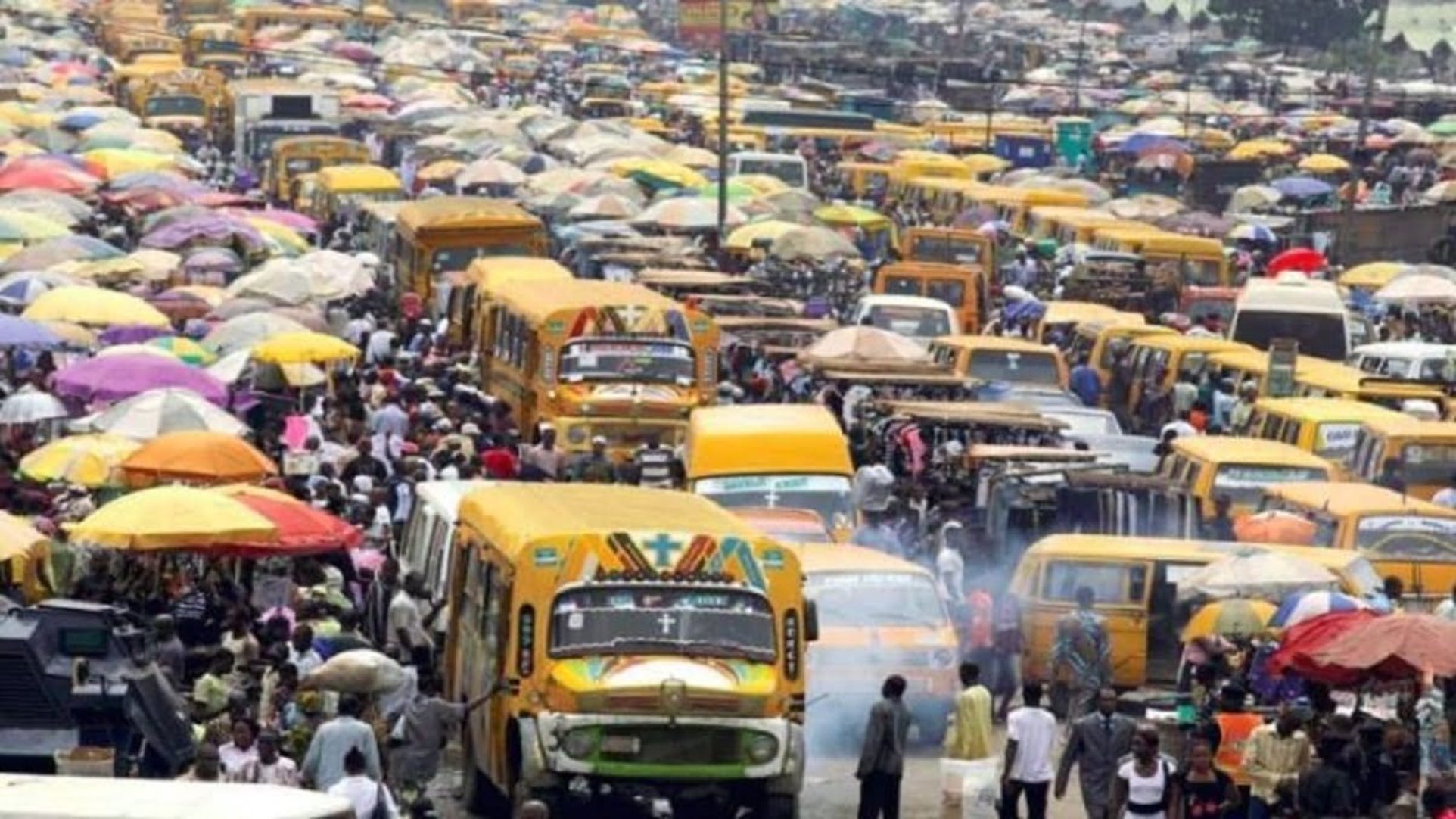
The highest revenue is concentrated in non-optional movement:
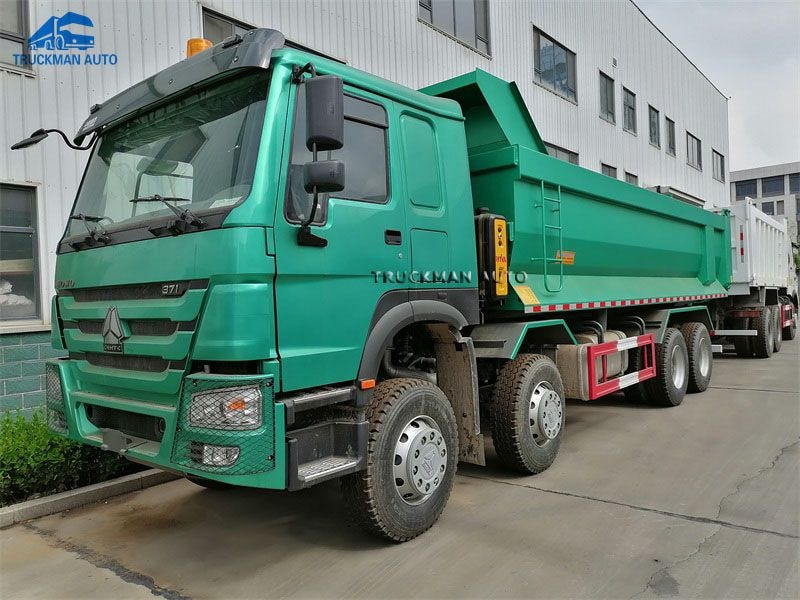
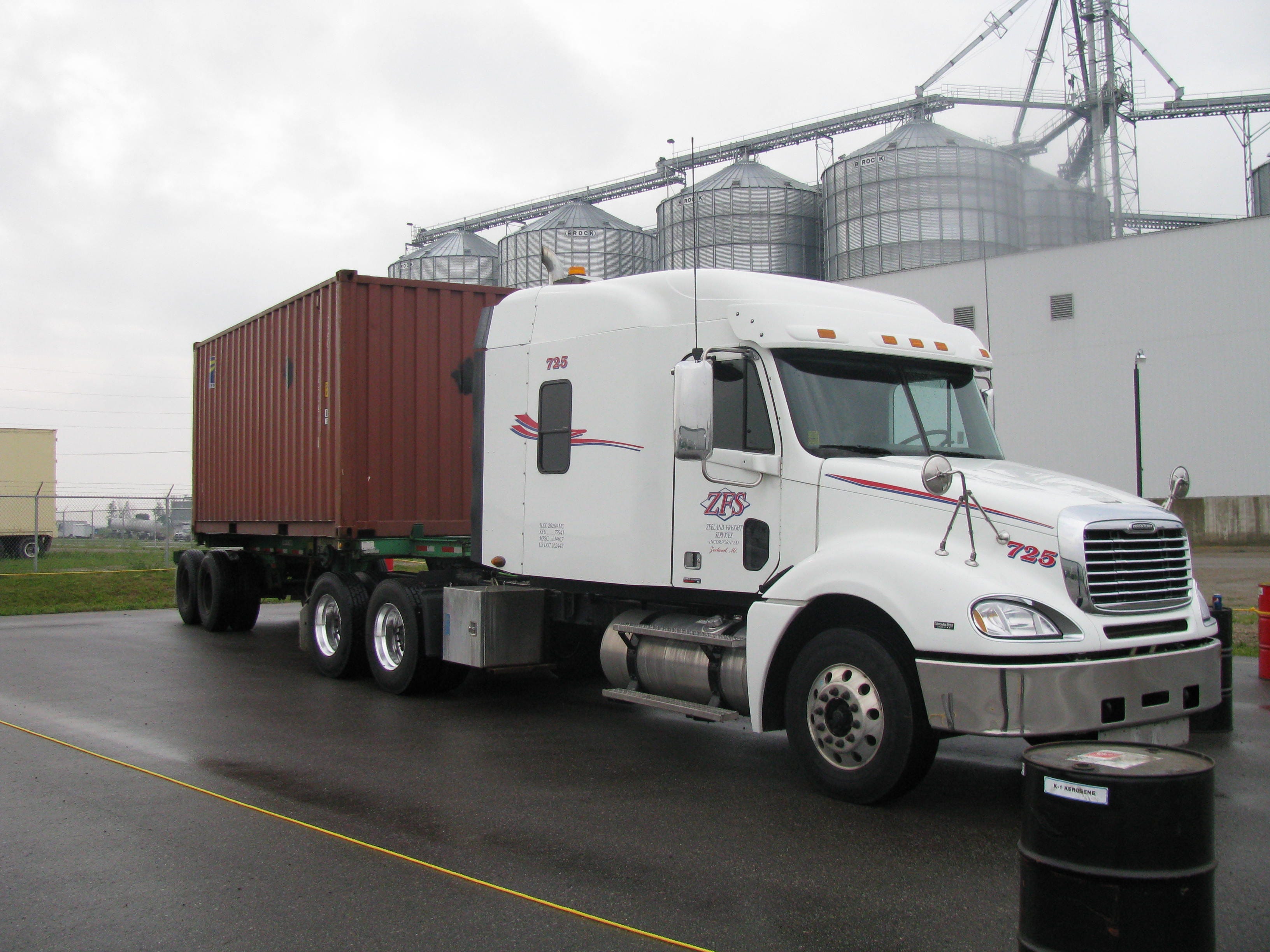
• Port-to-city freight
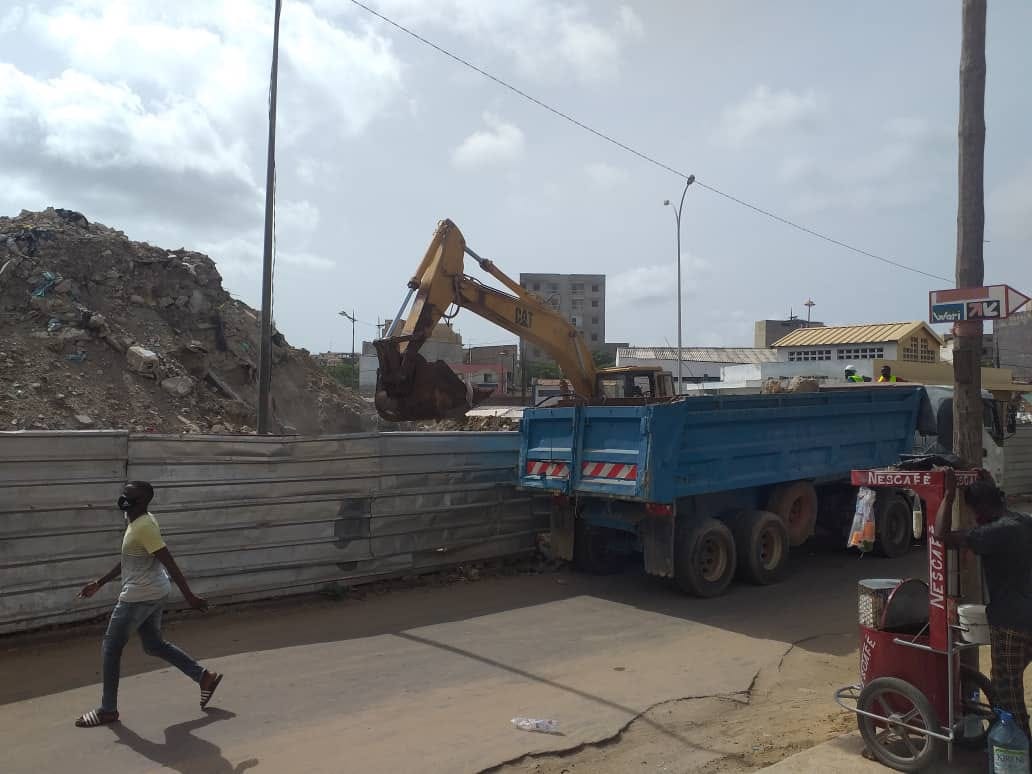
• Construction materials transport
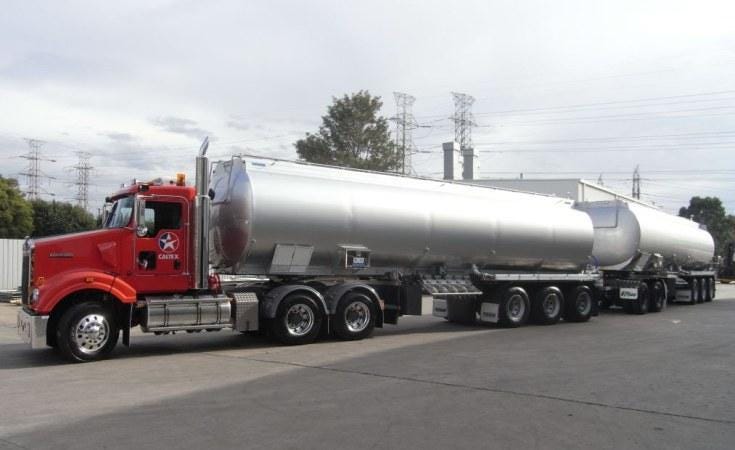
• Fuel and energy distribution
• Agricultural export corridors
• Intercity workforce mobility
These flows cannot pause. Delays cost real money.
The Core Model: Managed Mobility, Not Ownership
The winning operators do not own everything.
They structure:
• Contracted vehicle networks
• Driver pools
• Fixed routes and schedules
• Priority handling agreements
You sell guaranteed movement, not trucks.
Contracts Create the Floor
The smartest transport operators lock revenue before wheels move.
Common structures:
• Monthly route contracts
• Volume-based freight agreements
• Fixed-fee logistics retainers
• Seasonal export commitments
Once signed, transport becomes infrastructure.
Infrastructure does not negotiate every month.
Clear Revenue Math
This model scales through throughput.
Example in freight and workforce transport:
• Average contract value: $40,000 per month
• Annual revenue per contract: $480,000
Scale conservatively.
• 25 active contracts
• Annual revenue: $12M
Margins range from 18 to 35 percent depending on fuel efficiency, routing control, and asset-light structuring.
No consumer apps. No discounts. No race to the bottom.
Why This Is Expanding Now
Senegal is accelerating investment in:
• Port expansion
• Construction and infrastructure
• Energy and utilities
• Regional trade agreements
Movement volume is increasing faster than coordination capacity.
That gap is monetizable.
Why Senegal, Specifically
Senegal combines:
• Political stability
• Central geographic positioning
• Growing urban density
• Increasing formalization of transport
This makes it ideal for operators who can professionalize movement without overbuilding.
The Bottom Line
Transport money is not about speed.
It is about certainty.
If you control who moves, when, and how, you control value.
If you lock contracts, revenue stabilizes.
If you manage flow instead of fleets, $12M a year is structural.
This is how transport & mobility wealth is built in gateway economies like Senegal.
If you want the next one, I can flip this to Nigeria ride corridors, Morocco port logistics, Gulf fleet leasing, or Latin America last-mile monopolies.