
How to Build $30M+ Annual Revenue by Controlling Auto Rental Demand Through Apps
The most profitable players in auto rental are no longer the companies that own the most cars. They are the ones that control booking demand, pricing logic, and utilization across multiple fleets.

Apps changed who captures value. Ownership stopped being the advantage. Coordination became it.
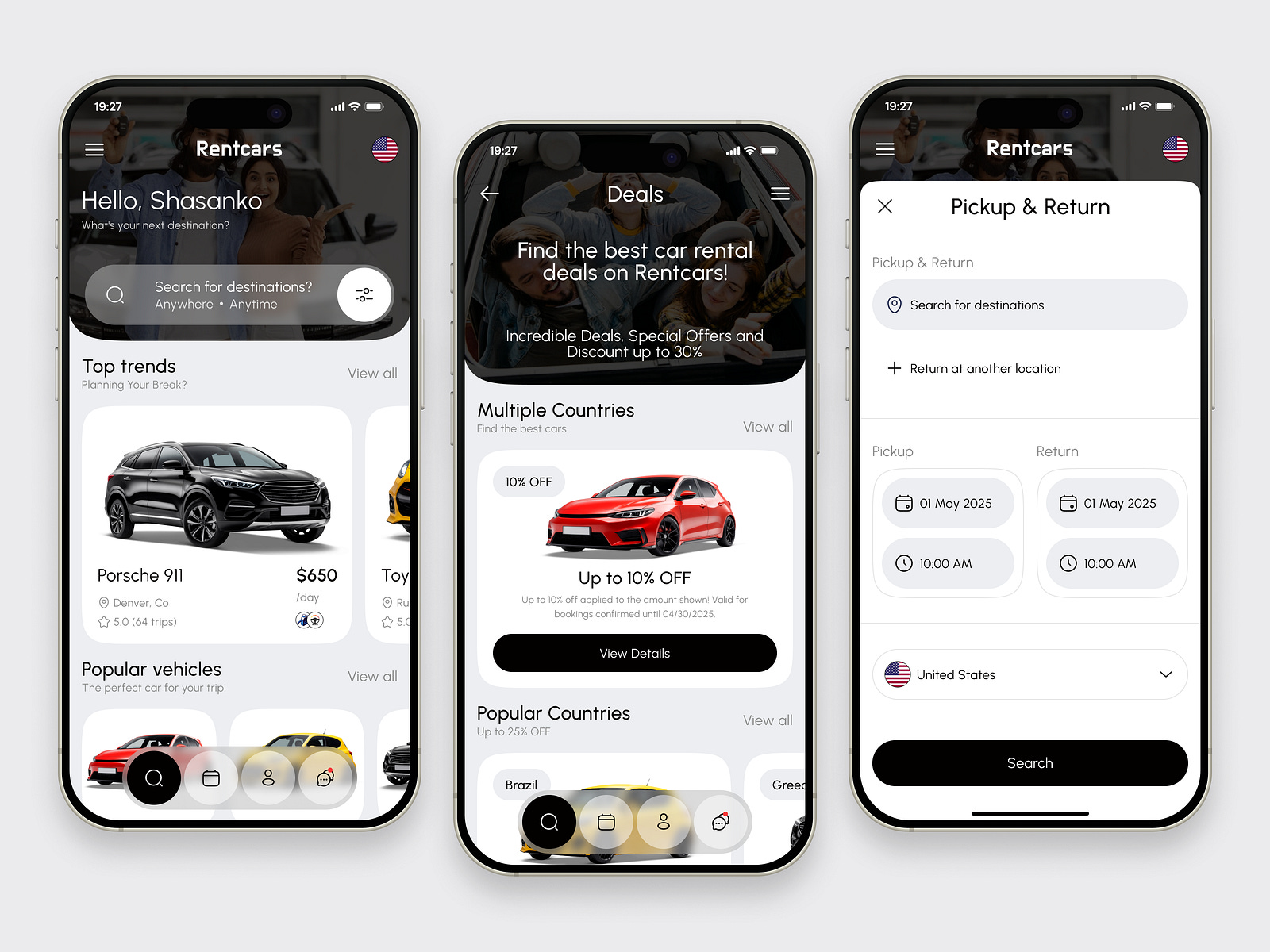
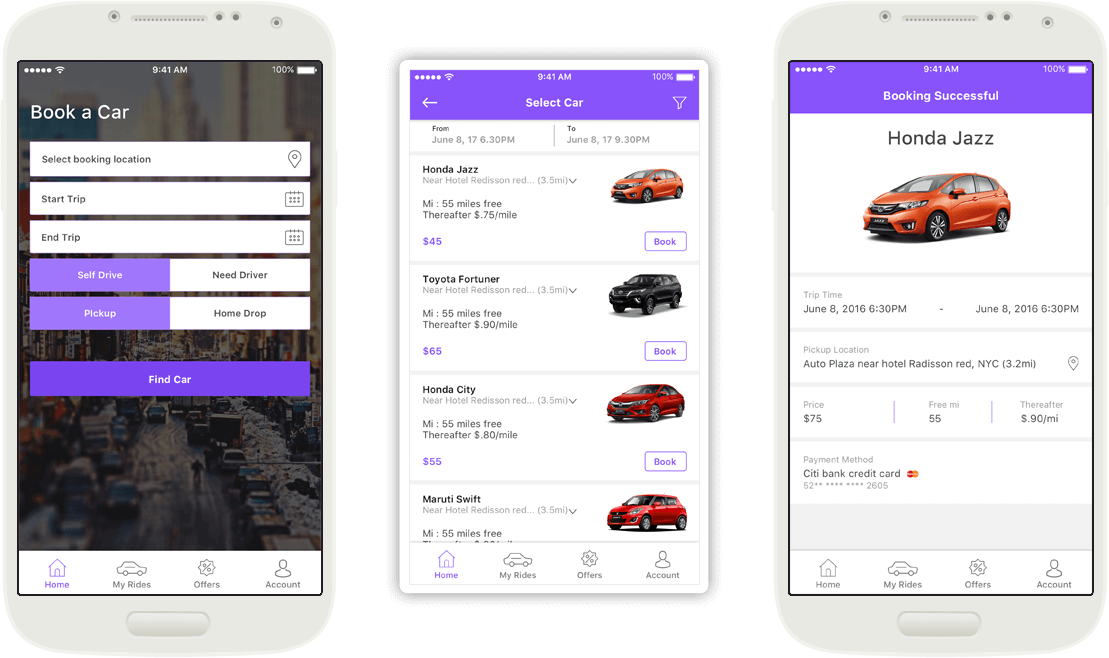
The Auto Rental Shift Most People Miss
Auto rental used to be a fleet business.
Now it is a demand-routing business.
Cars sit idle not because there is no demand, but because demand is fragmented across platforms, cities, and time windows.
Whoever consolidates that demand prints money.
The Core Asset: Aggregated Booking Control
The real system monetizes:
• App-based bookings
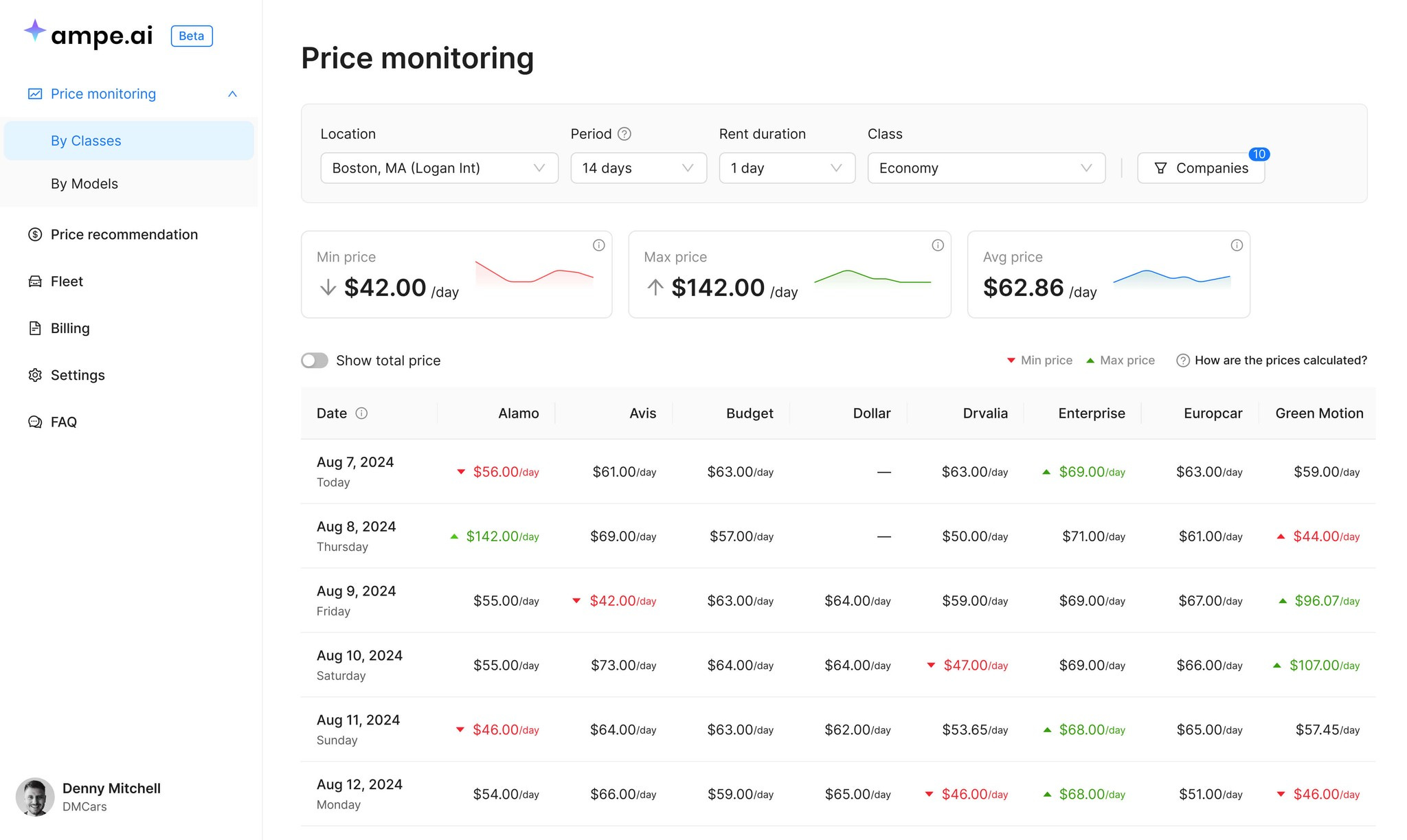
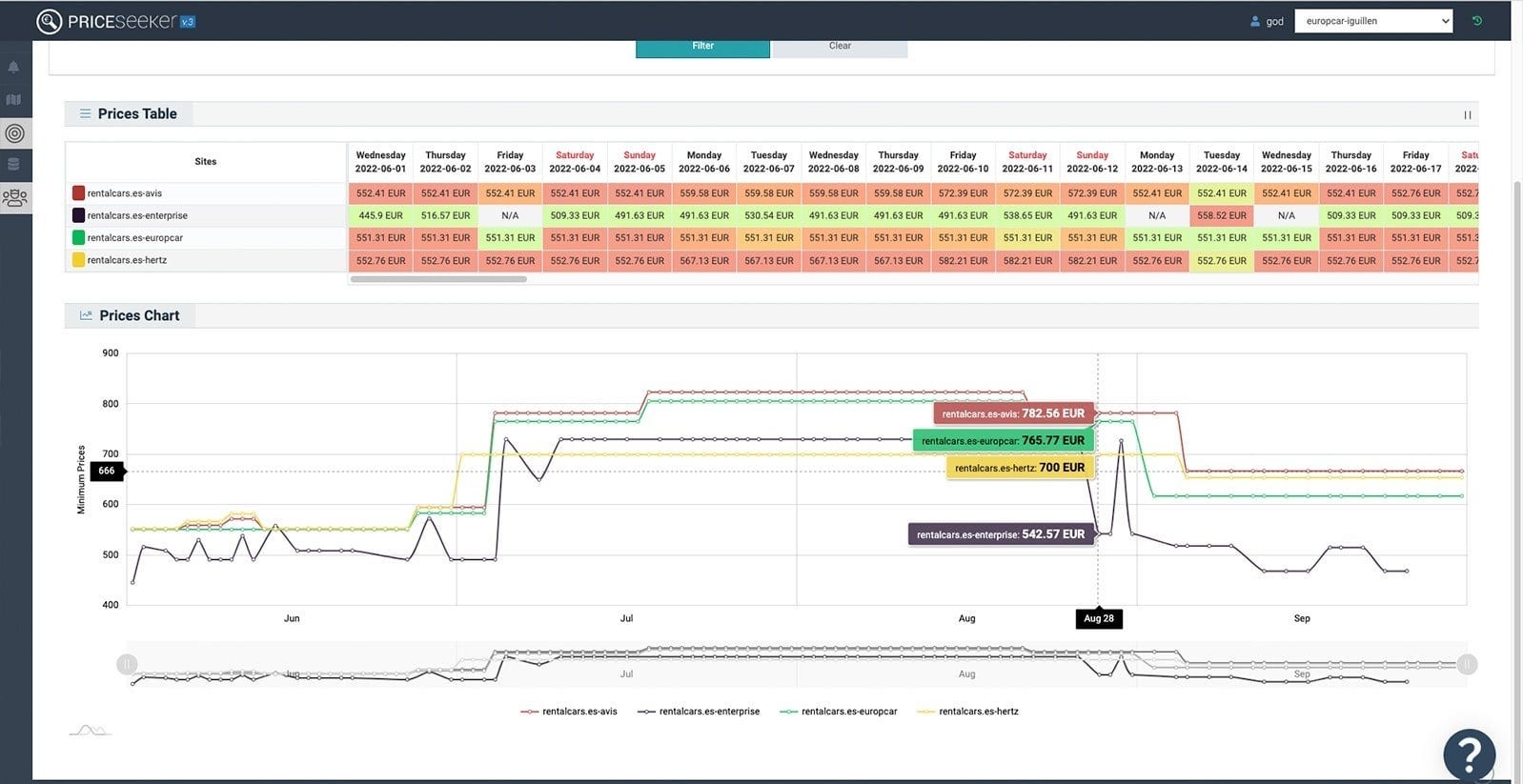
• Dynamic pricing intelligence
• Utilization optimization
• Cross-fleet availability
You do not compete with rental companies.
You sit above them.
Where the $30M Comes From
The highest revenue flows through predictable use cases:
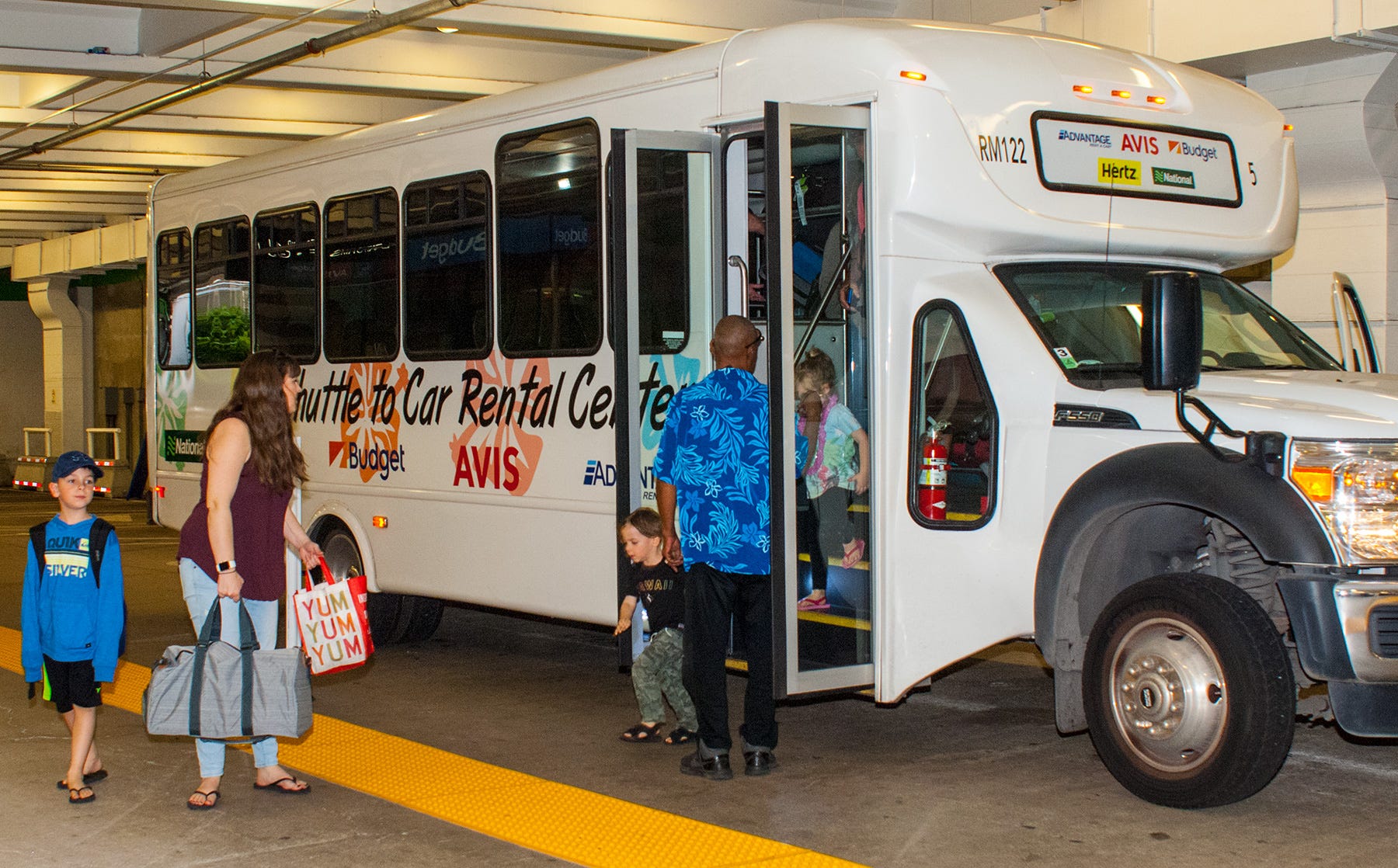
• Airport rentals
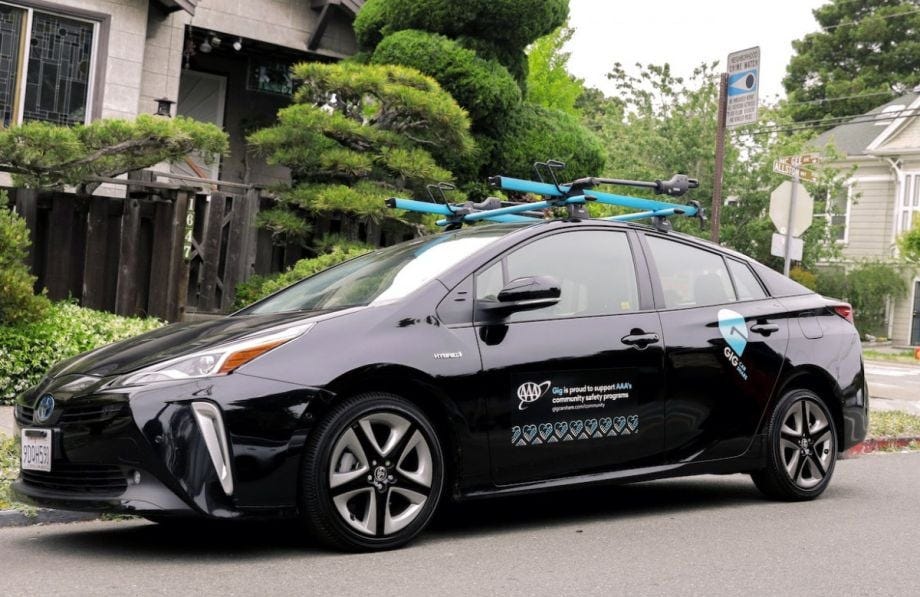
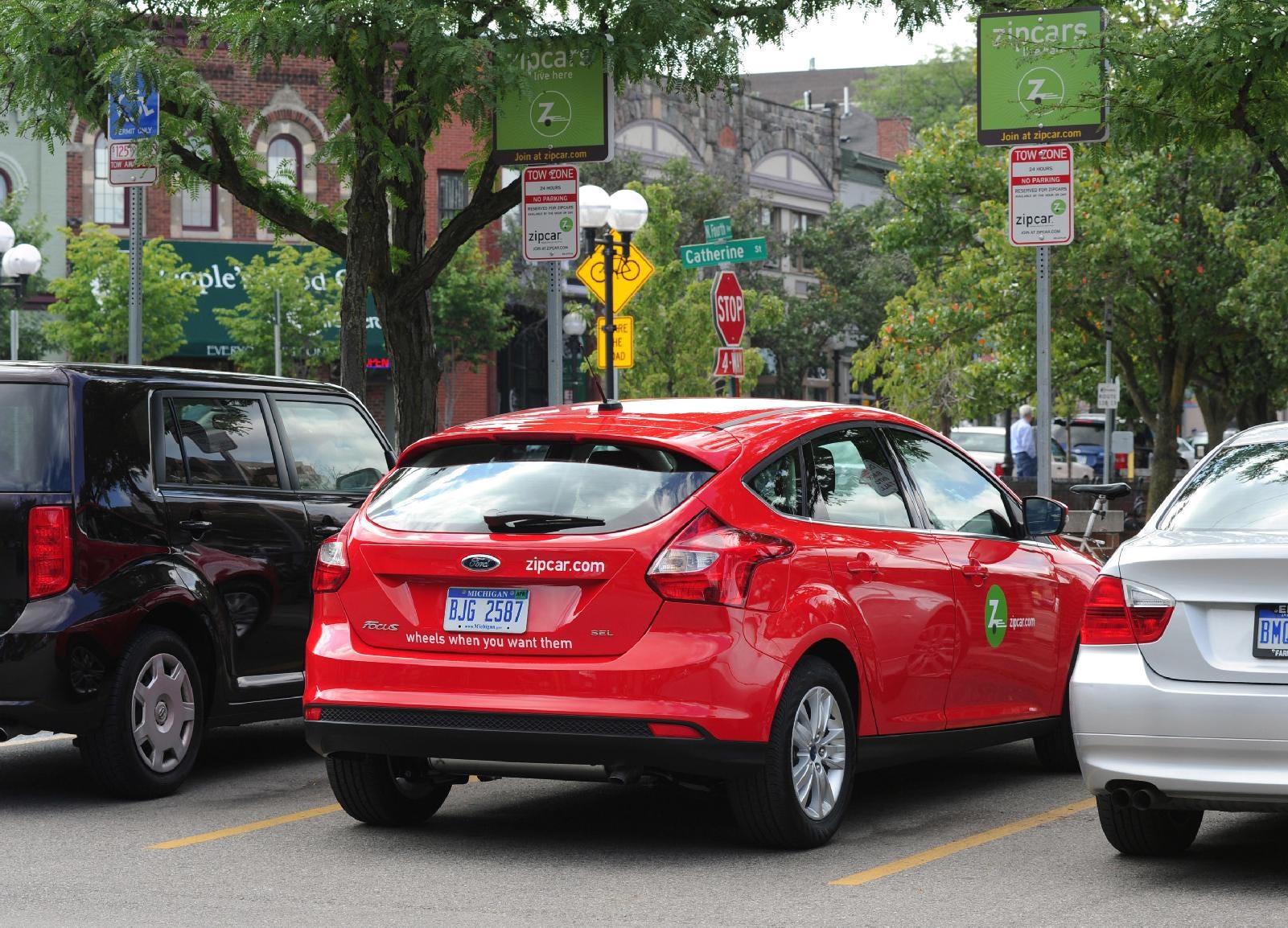
• Urban short-term rentals
• Long-term contractor vehicles
• Tourism-heavy corridors
• Insurance replacement rentals

The Model: Take Rate Over Ownership
This system earns through transactional leverage, not asset risk.
Revenue streams include:
• Per-booking commission
• Dynamic pricing spreads
• Fleet utilization fees
• Subscription access for operators
• Data and demand insights
You get paid every time a car moves.
Lock-In Through Software, Not Contracts
Once fleets rely on the app for:
• Pricing
• Demand forecasting
• Idle reduction
• Revenue optimization
Leaving the system means losing money.
Software becomes infrastructure.
Clear Revenue Math
This scales frighteningly fast.
Example:
• Average rental value: $90 per day
• Platform take rate: 15 percent
• Revenue per rental: $13.50
Scale demand, not cars.
• 18,500 rentals per day across regions
• Daily revenue: ~$250,000
• Annual revenue: ~$91M
Even at a third of that volume, $30M+ is conservative.
Margins exceed 60 percent once platform costs stabilize.
Why This Opportunity Is Accelerating
Three forces are colliding:
• Travel normalization and surge demand
• Underutilized local fleets
• App-first consumer behavior
Rental companies want demand without marketing spend.
Users want convenience and price transparency.
The platform wins both sides.
How This Shows Up on WITS
This system appears on WITS as:
• A demand-aggregation SPOTLIGHT
• A licensable auto rental app framework
• A regional rollout playbook
• A data and pricing engine
Buyers step into leverage, not speculation.
The Bottom Line
Auto rental money no longer belongs to who owns vehicles.
It belongs to who routes demand.
If you control bookings, you control pricing.
If you control pricing, you control utilization.
If you control utilization, $30M a year is not aggressive, it is math.