
SILVER TSUNAMI: THE LARGEST TRANSFER OF BUSINESSES AND OPERATING SYSTEMS IN MODERN HISTORY
Labor Markets → Ownership Structures → Operational Systems → Asset Transfer


The "Silver Tsunami" (also called the "Gray Tsunami") is a metaphor used to describe the unprecedented demographic shift of the Baby Boomer generation reaching retirement age.

10,000 Americans turning 65 every day is accelerating a decade long shift where ownership, operational systems, and embedded business intelligence are moving out of one generation and into a transfer economy.
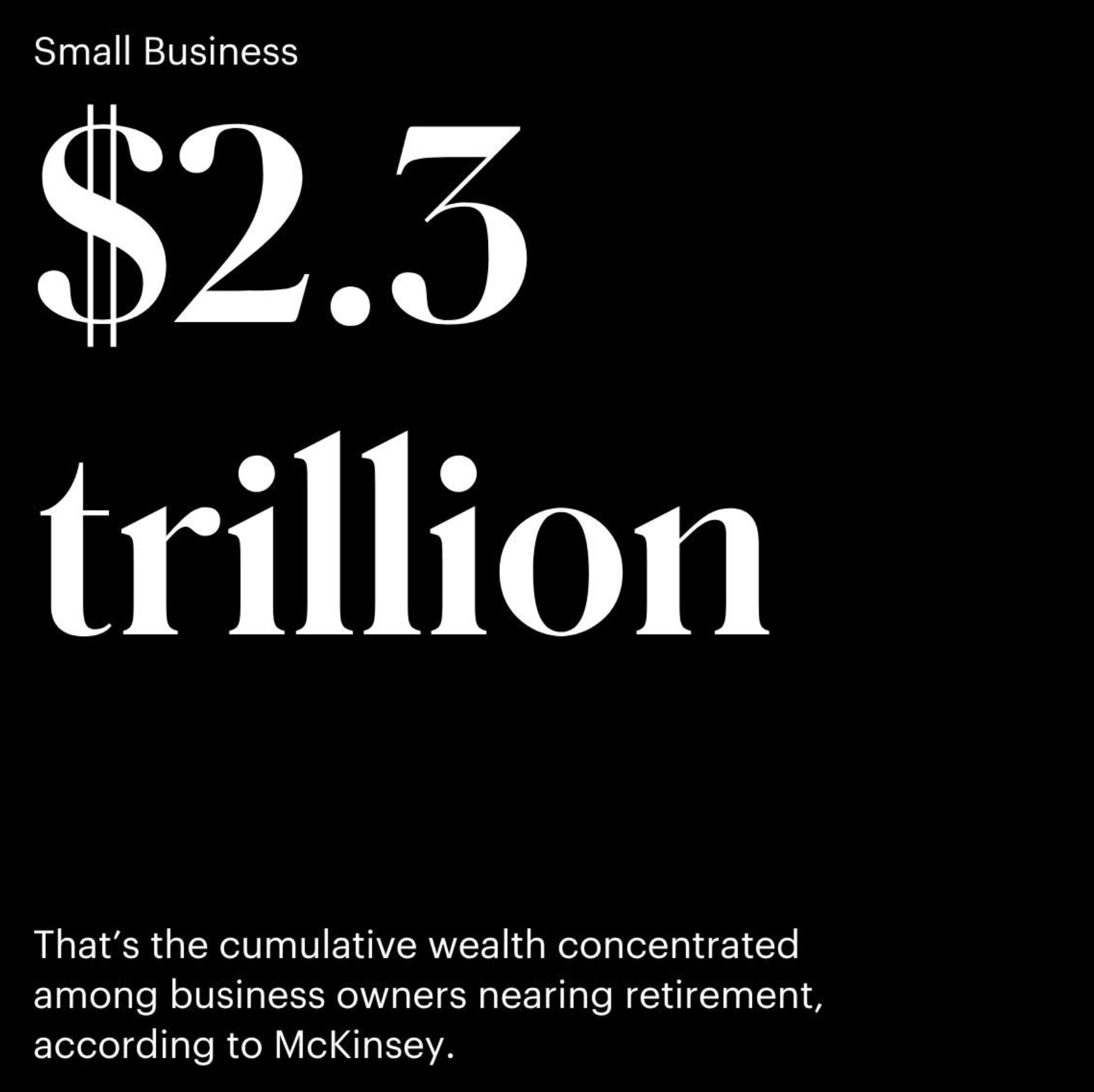
The United States is currently undergoing a demographic transition driven by approximately 73 million Baby Boomers born between 1946 and 1964 who are moving through retirement age over a sustained multi decade window, with 2026 representing a midpoint where the youngest are in their early 60s and the oldest are approaching 80, creating a continuous and compounding exit from active business participation rather than a single retirement event. This shift is measurable at scale through the fact that roughly 10,000 Americans turn 65 every day, which translates into more than 3.5 million people per year entering retirement age, and this flow is not only reducing labor participation but also removing large amounts of embedded operational knowledge from active economic circulation.
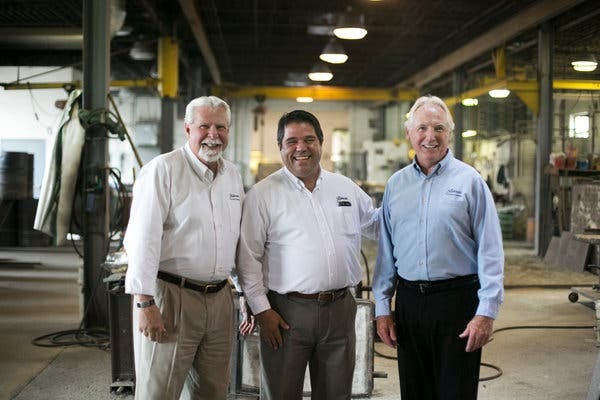
The importance of this transition is not fully captured by labor statistics alone because the concentration of this demographic sits heavily in business ownership, senior management, skilled trades, healthcare systems, and service based enterprises where performance is not only determined by workforce size but by accumulated experience that has been refined over decades and rarely exists in structured, transferable formats that can survive ownership change without degradation in efficiency or continuity.

THE CORE ECONOMIC SHIFT IS NOT JUST WORKFORCE REPLACEMENT BUT THE TRANSFER OF OPERATING SYSTEMS THAT CURRENTLY EXIST ONLY INSIDE INDIVIDUALS AND LEGACY BUSINESSES.
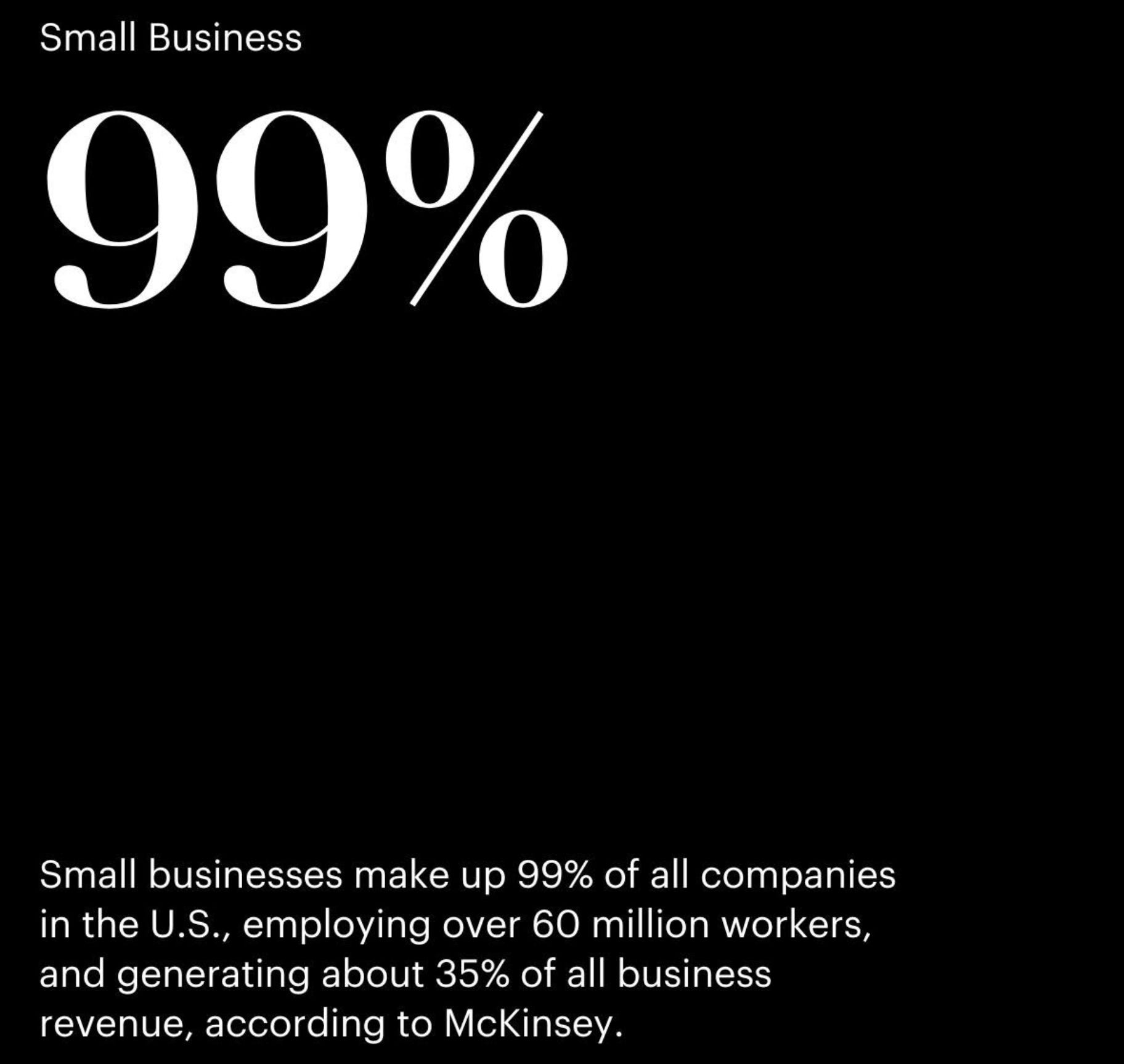

Healthcare is projected to face shortages of approximately 2 to 3 million workers by 2030 when combining nurses, aides, and support roles, a gap driven simultaneously by rising demand from an aging population and the retirement of experienced professionals, while manufacturing and skilled trades such as electrical work, machining, welding, and construction are experiencing a parallel imbalance where experienced operators are exiting faster than new entrants are being trained, which creates not only a numerical labor gap but a knowledge transfer gap where fewer experienced workers remain available to pass on tacit operational understanding.

Across small and mid sized businesses this same pattern becomes even more structurally important because value creation is often driven by systems that are not formally documented, including pricing logic, client acquisition systems, vendor relationships, workflow optimization methods, sales frameworks, and operational decision structures that exist primarily as learned experience inside operators rather than as structured systems that can be independently transferred, and when these operators exit the business those systems are either partially reconstructed by successors or lost entirely, which forces repeated reinvention of operational intelligence across industries instead of continuity through structured transfer.
SOCIAL SECURITY PRESSURE REFLECTS DEMOGRAPHIC TIMING IMBALANCE BETWEEN LONGER RETIREMENT SPANS AND A SHRINKING CONTRIBUTOR BASE.

Social Security is currently projected to face trust fund depletion around 2033 without legislative intervention, which would result in automatic benefit adjustments rather than system collapse, and the structural issue behind this projection is not simply funding volatility but demographic timing mismatch, since when the system was originally designed retirees typically received benefits for approximately 7 to 10 years, while in the current environment retirement spans of 20 to 30 years are increasingly common due to longer life expectancy and earlier workforce exit, which increases total lifetime payouts per beneficiary while simultaneously reducing the ratio of active workers contributing into the system, and policy mechanisms such as raising the retirement age, increasing the taxable income cap, or adjusting payroll tax rates all function as structural adjustments to rebalance this ratio but do not change the underlying demographic curve driving the imbalance.
THE MOST IMPORTANT ECONOMIC TRANSITION IS THE EXIT OF UNSTRUCTURED BUSINESS AND OPERATIONAL SYSTEMS THAT HAVE NEVER BEEN FORMALIZED INTO TRANSFERABLE FORMATS
The most significant and least visible effect of the Silver Tsunami is not purely labor loss or fiscal pressure but the mass exit of businesses and operating systems that exist in unstructured form and are not designed for transfer, where millions of businesses operate on accumulated knowledge embedded in individuals rather than in documented systems, meaning that core economic value is often stored in the form of tacit expertise rather than explicit operational frameworks, and this includes how businesses acquire customers, how they structure pricing, how they manage fulfillment, how they maintain supplier relationships, and how they optimize internal workflows, all of which can function at high efficiency under experienced operators but become fragile during ownership transition if not formally captured.

When these businesses are sold, transferred, or closed, the underlying systems are frequently not preserved in a reusable format, which means successors are often acquiring revenue streams without fully inheriting the operational logic that generated them, resulting in efficiency loss, reinvention costs, and fragmented continuity across industries that rely heavily on experiential knowledge rather than standardized systems.
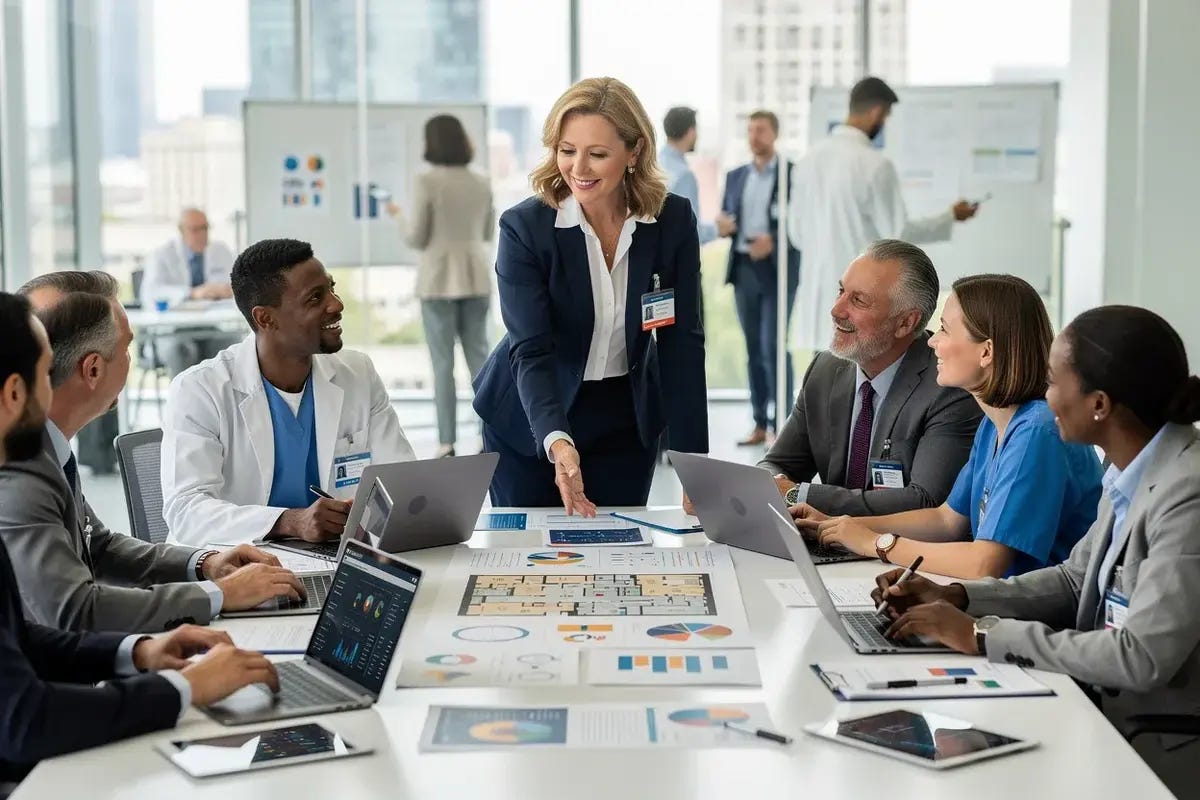
WITS OPERATES AS THE STRUCTURAL LAYER FOR IDENTIFYING, PACKAGING, BUYING, SELLING, LICENSING, AND REBUILDING ENTIRE BUSINESS SYSTEMS.
WITS functions as a marketplace and system layer where individuals and organizations can identify, package, buy, sell, license, remix, and build upon complete systems of value, including not only ideas or intellectual fragments but also full business models, operating systems, service frameworks, creative formats, educational structures, cultural experiences, and entire businesses that can be represented as structured and transferable units of execution.

In the context of the Silver Tsunami this becomes structurally significant because what is exiting the economy is not only labor but entire operating systems embedded inside retiring business owners and operators, and WITS provides the mechanism through which those systems can be converted into SPOTLIGHTS that formalize how a business functions, including its customer acquisition logic, operational workflow, delivery structure, and scaling method, allowing those systems to be transferred, licensed, or adapted rather than lost during ownership change.
A business in this framework is not only an asset being sold but a system of execution being transferred, which means the buyer is not only acquiring revenue but acquiring a structured operating model that can be reused or evolved, and this changes the nature of succession from a financial transaction into a system transfer process where value is preserved through structure rather than memory.
THE MACRO SHIFT IS FROM INDIVIDUAL EXPERIENCE BASED ECONOMIES TO SYSTEM BASED AND TRANSFERABLE OPERATING ECONOMIES.

The Silver Tsunami represents a structural inflection point where the economy is shifting away from dependence on individual experience and toward dependence on structured systems that can be transferred, replicated, and recombined across new operators, and artificial intelligence accelerates this transition because it increases the value of clearly defined systems while reducing reliance on undocumented knowledge, meaning that structured operational frameworks become more powerful when integrated with automation while unstructured knowledge becomes increasingly fragile over time.
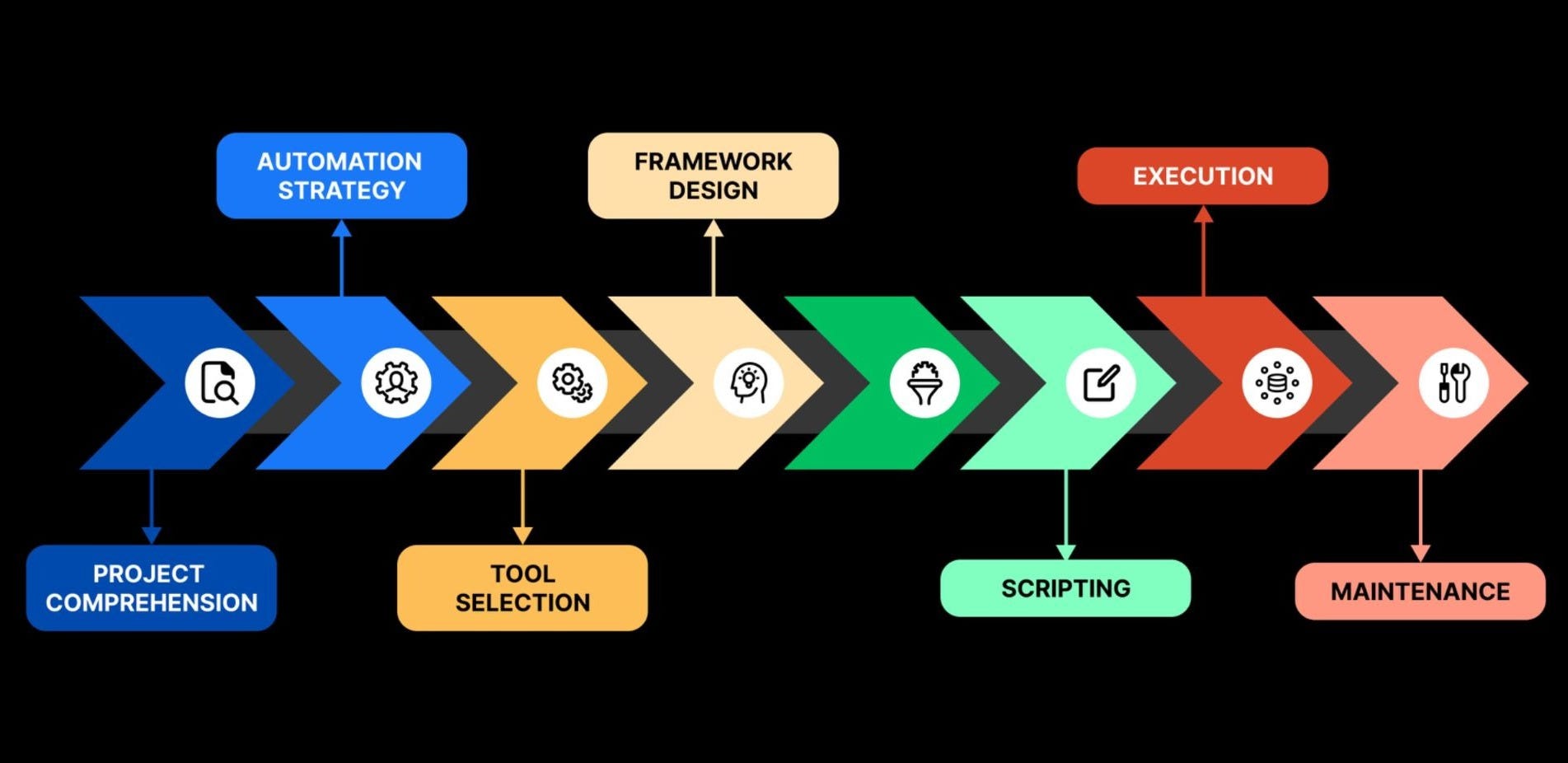
Within this environment WITS functions as the infrastructure layer that enables this transition by allowing fragmented operational knowledge to be identified, structured, transacted, and recombined into new forms of economic value that are not tied to any single individual, ensuring that business logic, creative systems, and operational models can survive beyond the lifespan or participation of their original creators.

THE RESULTING ECONOMIC REALITY IS A TRANSFER ECONOMY WHERE VALUE IS DEFINED BY HOW WELL SYSTEMS ARE CAPTURED BEFORE THEY EXIT ACTIVE USE.
The United States is entering a phase where approximately 73 million people are transitioning through retirement age at a rate of roughly 10,000 per day, which creates a sustained exit of businesses, operating models, and institutional systems across nearly every sector of the economy, and the defining constraint is no longer only workforce replacement but the ability to capture and structure the systems that currently exist inside those workers and businesses before they exit active use.
WITS sits directly inside this transition as the marketplace for converting those systems into structured, transferable, and remixable economic units, ensuring that what would otherwise be lost through retirement and business closure can instead be preserved, traded, and built upon as reusable infrastructure for the next generation of economic activity.