
Start Selling Systems That Help Families Care for Aging Parents Using Creativity
Aging Parents → Caregiver Support → Creative Activities → Shared Memories


Every year, millions of adults unexpectedly find themselves stepping into one of the most demanding jobs they will ever have. One day they are simply sons, daughters, spouses, or grandchildren, and the next they are responsible for managing medications, coordinating doctor’s appointments, organizing finances, navigating insurance paperwork, preventing falls, preparing meals, communicating with siblings, and making difficult decisions for someone whose health is steadily changing.
Whether an aging parent is living with dementia, Alzheimer’s disease, Parkinson’s disease, stroke recovery, limited mobility, vision loss, or another age related condition, the experience is remarkably similar because caregivers are forced to become experts in dozens of different responsibilities almost overnight.
Unfortunately, the marketplace continues to sell solutions in pieces. One company offers medication reminders, another sells mobility equipment, another publishes legal checklists, another produces caregiver journals, while countless websites distribute downloadable PDFs that address a single problem before sending families back into the search engine to solve the next one. The result is that caregivers spend almost as much time searching for information as they do actually caring for the people they love.

This is precisely where WITS Systems create value.
Instead of selling another isolated product, creators can package everything a caregiver needs into one complete, outcome driven system that organizes knowledge, tools, templates, resources, physical products, and expert guidance into a repeatable framework that removes uncertainty from everyday caregiving.
Imagine a creator building The Complete Aging Parent Care System rather than publishing another ebook. Instead of delivering information, the system would deliver organization, confidence, and peace of mind through a carefully designed collection of resources that work together.
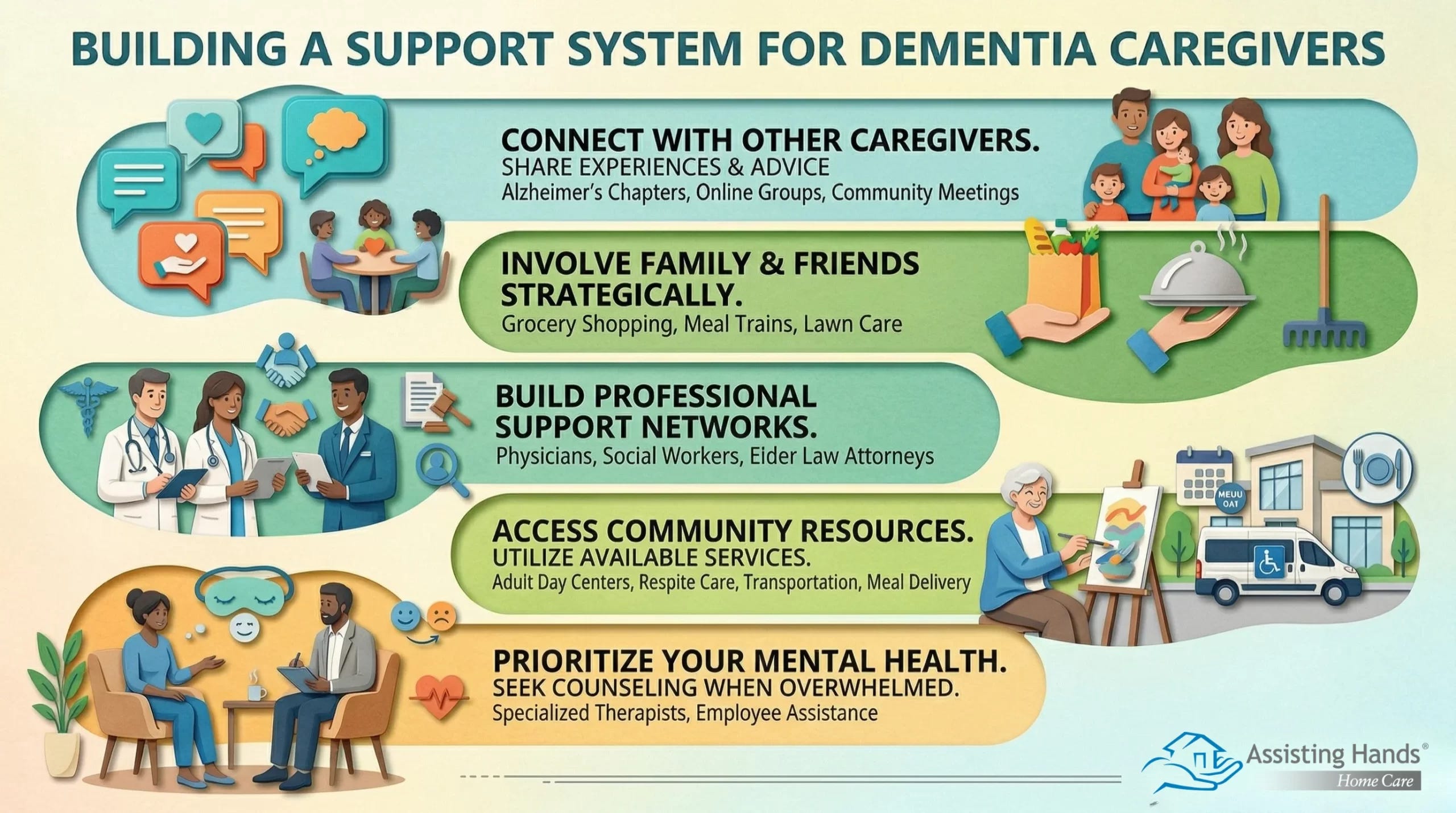
A complete system might include a caregiver roadmap that explains every stage of the caregiving journey, daily routines that simplify recurring responsibilities, medication tracking templates, emergency preparedness plans, home safety inspections, doctor’s appointment planners, behavior management strategies, legal and financial planning checklists, printable forms, family communication templates, meal planning resources, appointment trackers, directories of local and national support organizations, AI prompts that help caregivers navigate difficult conversations or unexpected situations, video tutorials that demonstrate best practices, and access to an online community where caregivers can ask questions and share experiences with others facing similar challenges.

Notice that none of these resources are particularly revolutionary on their own. Their value comes from being thoughtfully organized into a single framework that removes decision fatigue and allows caregivers to spend less time wondering what to do next and more time focusing on the person who needs them most.
However, practical organization is only one half of the caregiving experience because every family eventually discovers that caring for someone involves far more than managing appointments and medications. As memory changes, communication becomes more difficult, or physical abilities decline, families begin asking a different question altogether. They no longer wonder how to organize care. They wonder how to continue creating meaningful moments with someone whose abilities are changing.

This challenge opens the door for an entirely different kind of WITS System.
Rather than focusing exclusively on logistics, a creator could build The Creative Memory Care System, a complete program centered around art, creativity, and shared experiences that help families remain emotionally connected throughout the caregiving journey. Importantly, this system would never claim to treat or cure dementia or any other medical condition. Instead, it would focus on creating opportunities for engagement, self expression, enjoyment, and connection, all of which remain deeply valuable regardless of diagnosis.
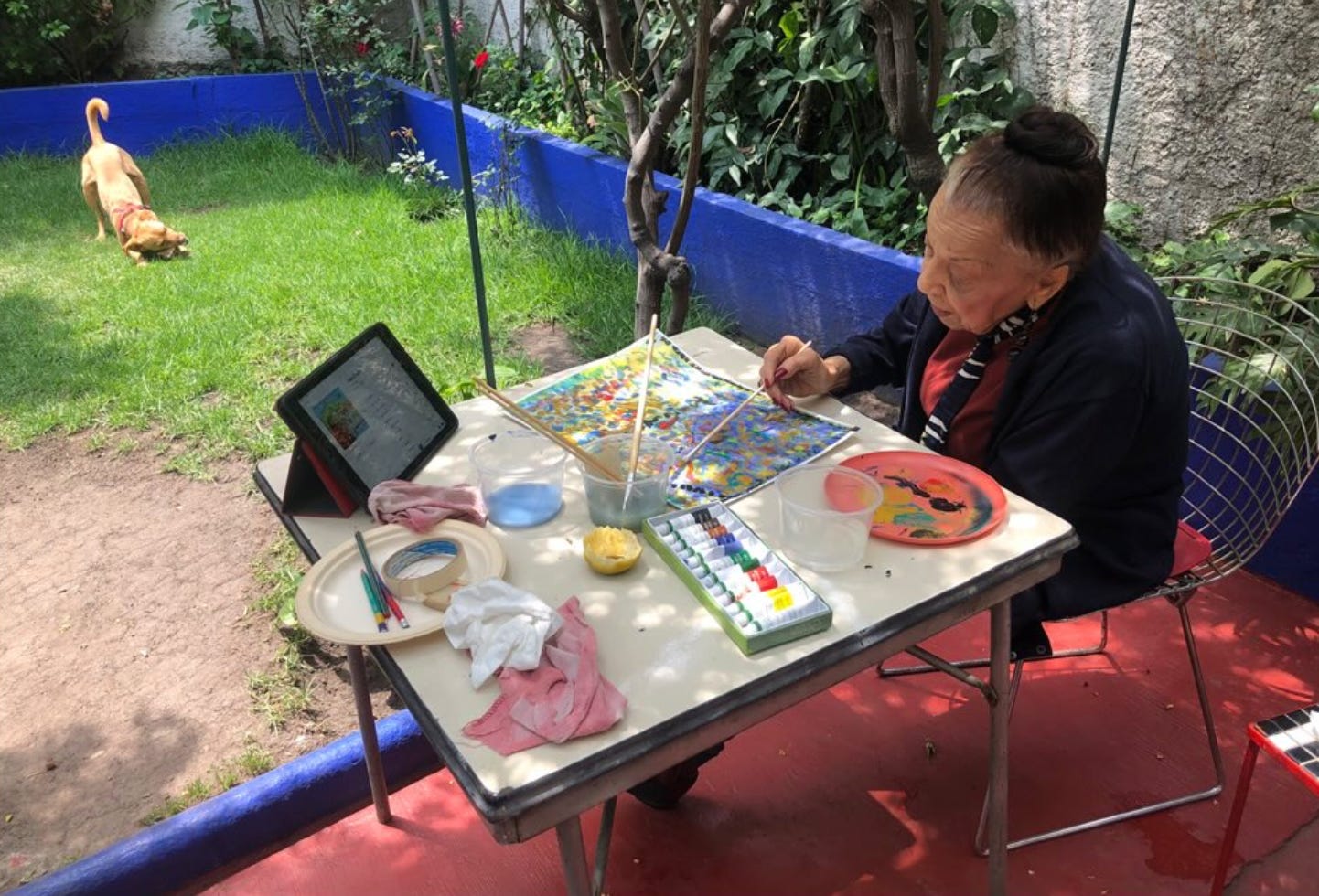
The system could guide families through weekly art sessions using step by step instructions that require no artistic experience while providing projects specifically adapted for different stages of cognitive or physical decline. Activities could emphasize color, texture, collage making, painting, clay, simple crafts, and memory boxes that encourage participation without requiring perfect recall. Each project could include conversation prompts inspired by the artwork itself, making it easier for caregivers to start natural conversations without placing pressure on memory. Seasonal projects could celebrate holidays throughout the year, music playlists could accompany painting sessions to create calming environments, grandchildren could participate in family friendly activities designed for multiple generations, and caregiver guides could explain how to modify every project when attention spans, mobility, vision, or dexterity begin to change.
Rather than ending with the activity itself, the system could also help families celebrate what they create by providing display ideas for finished artwork, preserving projects in memory albums, and building collections of keepsakes that document meaningful moments shared together over months or even years.

Because WITS Systems are designed as complete solutions rather than individual products, the Creative Memory Care System could combine both physical and digital components into one integrated experience. Every purchase might include a professionally designed activity book, carefully selected art supplies that are appropriate for older adults, video demonstrations for every project, printable templates, conversation cards, caregiver guides, progress journals, and monthly refill packs that introduce fresh creative activities without requiring families to search for new ideas.
Notice how the value proposition has changed. The system is not promising to improve dementia, reverse cognitive decline, or produce unrealistic medical outcomes. Instead, it promises something families desperately need: more opportunities to connect, less caregiver stress because meaningful activities are always available, more quality time between generations, new ways for loved ones to express themselves when language becomes difficult, and a growing collection of artwork and keepsakes that preserve shared experiences for the entire family.

These are the outcomes people are actually purchasing because they represent improvements in everyday life rather than impossible medical promises.
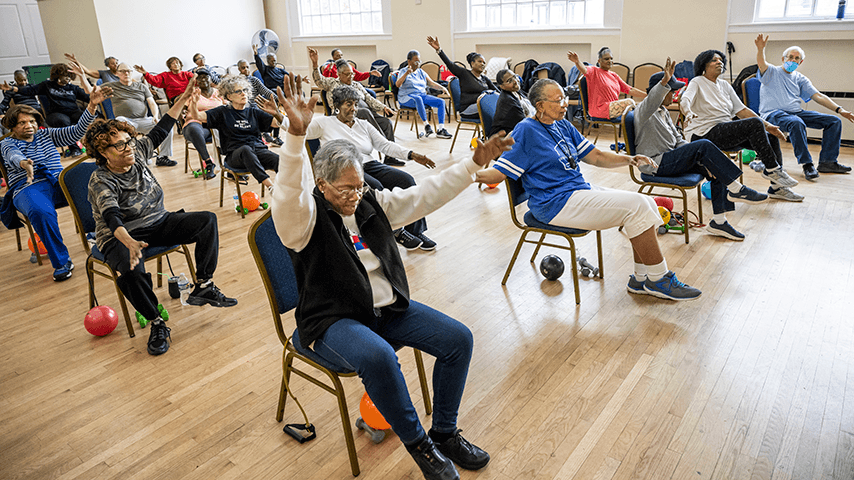
The opportunity extends far beyond individual families because nearly every organization serving older adults could benefit from systems like these. Adult children between the ages of forty and seventy represent one of the largest caregiving populations in the world, but they are not the only audience. Spouses caring for lifelong partners, professional caregivers, home health agencies, senior living communities, social workers, hospitals, rehabilitation centers, memory care facilities, nonprofit organizations, and community health programs all need practical systems that improve the caregiving experience.
This is why caregiving represents one of the strongest opportunities on WITS. The market does not need another checklist or another downloadable guide because those products already exist in overwhelming numbers. What the market lacks are complete systems that organize knowledge into repeatable frameworks capable of delivering consistent outcomes for families navigating one of life’s most demanding responsibilities.
That is ultimately the difference between selling information and selling transformation. Products answer questions. Systems change experiences. WITS exists to help creators package their expertise into systems that solve real problems, and few opportunities are larger, more meaningful, or more urgently needed than helping families care for the people who once cared for them.