
Turn $100 Into a $2,000+/Month Recurring Revenue Business Using Google Maps Across Africa
Digital Infrastructure → Local Discovery → Recurring Revenue


Africa’s digital economy is booming rapidly!

Yet, millions of local businesses remain almost invisible online. Smartphone adoption continues to rise across the continent, and consumers increasingly use Google Search and Google Maps to decide where to eat, which dentist to visit, which mechanic to trust, or which hotel to book. Additionally, thousands of businesses still have incomplete, unverified, or neglected Google Business Profiles. Some have the wrong phone number, no business hours, no photos, or zero reviews. Every one of those problems represents lost customers.

That gap creates one of the simplest revenue systems available today.
Instead of building a complicated startup, operators can offer a standardized Google Business Profile optimization service. The process is straightforward: identify businesses with poor or missing profiles, compare them against competitors, demonstrate exactly how much visibility they are losing, then optimize or claim the listing, improve the business information, and implement a review collection system. Most projects can be completed in under two hours.

What makes this system attractive is the speed. Unlike businesses that require months of audience building, this service solves an urgent problem for companies that already spend money attracting customers. The value is immediately visible because owners can literally watch themselves move from invisible to discoverable.
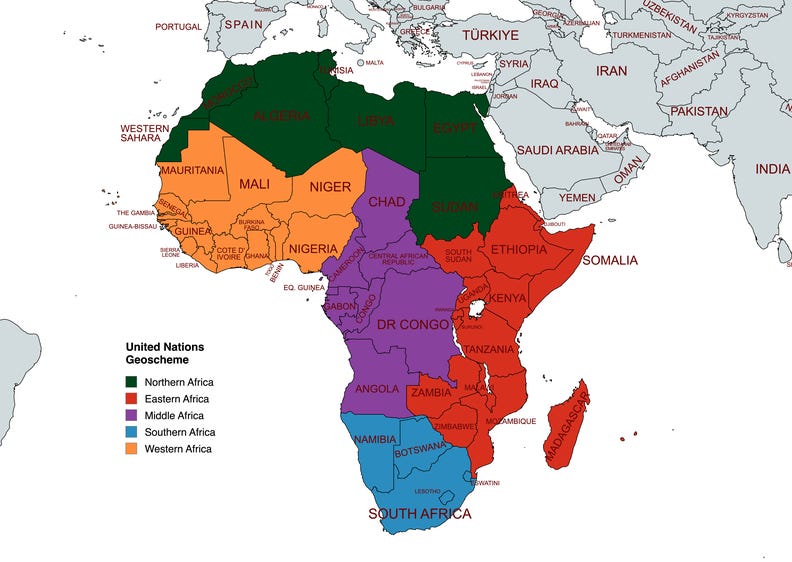
The opportunity looks different across Africa.

North Africa offers strong demand from hotels, tourism operators, medical clinics, restaurants, and professional services competing for international visitors.
West Africa, particularly Nigeria and Ghana, combines rapidly growing cities with expanding entrepreneurial ecosystems, creating demand from healthcare providers, beauty clinics, fashion retailers, restaurants, real estate agencies, and event businesses.
East Africa, including Kenya, Tanzania, Uganda, and Rwanda, continues benefiting from tourism growth, mobile adoption, and digital commerce, creating opportunities with safari operators, hotels, automotive businesses, restaurants, and private clinics.
Southern Africa already has mature business markets where companies increasingly understand the importance of digital visibility, making premium optimization services easier to sell.
Google has also reported that consumers across African markets increasingly research businesses online before purchasing, with search engines remaining one of the primary discovery tools. Google Business Profiles provide measurable performance data including phone calls, website clicks, direction requests, bookings, and profile views, giving businesses clear evidence of the value they receive.

Pricing should reflect local purchasing power rather than copying North American models. A practical approach is combining a modest upfront setup fee with a recurring monthly management plan.
For example:
West Africa: $50-$150 setup + $20-$60/month
East Africa: $75-$200 setup + $25-$75/month
North Africa: $150-$300 setup + $40-$100/month
Southern Africa: $150-$350 setup + $50-$125/month
How it works:
Charge businesses $50–$150/month to manage and optimize their Google Business Profile.
Acquire 20 clients.
At an average of $100/month per client:
20 clients × $100/month = $2,000/month recurring revenue
$24,000/year recurring revenue
A larger operator:
50 clients × $100/month = $5,000/month
$60,000/year recurring revenue
An agency model:
100 clients × $100/month = $10,000/month
$120,000/year recurring revenue
The economics become interesting very quickly.

Landing just 10 businesses at a $100 setup fee generates $1,000 in upfront revenue. If each client pays $40 per month for ongoing optimization and review management, that’s another $400 in recurring monthly revenue. Scale that to 50 active clients, and the same operator is producing $5,000 upfront revenue while building $2,000 or more in recurring monthly income, before adding complementary services such as local SEO, reputation management, or website optimization.
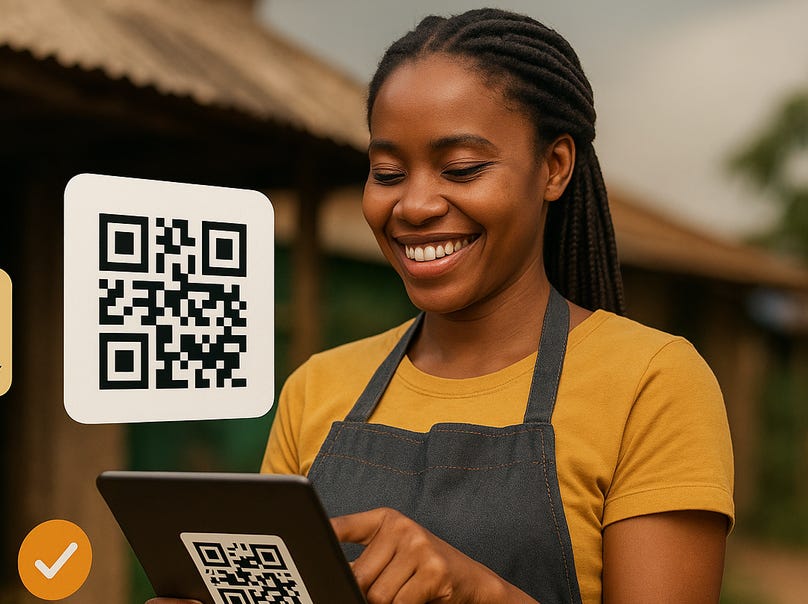
One of the highest-value additions costs almost nothing to deliver. Generate a QR code that links directly to the business’s Google review page, print it, and ask staff to show it to every satisfied customer before they leave. Five or ten additional five-star reviews can dramatically improve local visibility while increasing customer trust.
This is exactly the type of opportunity WITS exists to identify.
It is repeatable. It solves an urgent problem. It requires very little startup capital. It produces immediate cash flow and recurring revenue. Most importantly, it exists because digital infrastructure is expanding faster than many businesses can adapt.
An Example of How A WITS listing would look:

Google Maps Revenue Agency System
Launch a recurring revenue local search optimization business across Africa
What the buyer acquires:
A complete system that helps entrepreneurs launch a Google Business Profile optimization service and acquire local business clients.
Includes:
Target market selection by African region
High-value business niche list
Google Business Profile audit process
Client outreach scripts
Sales presentation templates
Before/after visibility reports
Profile optimization checklist
Review generation workflow
Pricing structure
Monthly retainer model
Client onboarding process
Service delivery SOPs
Buyer Outcome:
Build a recurring revenue service business helping local companies improve their Google visibility and attract more customers.
Revenue Potential:
Example model:
20 clients × $100/month = $2,000/month recurring revenue
50 clients × $100/month = $5,000/month recurring revenue
100 clients × $100/month = $10,000/month recurring revenue
Ideal Buyer:
Digital entrepreneurs
Marketing freelancers
AI agency operators
Local business consultants
Remote service providers
Entrepreneurs entering African markets

The next generation of African entrepreneurs will not only build new companies. Many will build highly profitable systems that help existing businesses compete in an increasingly digital economy. Sometimes the biggest opportunity is not inventing the future, but helping everyone else catch up to it.