For decades, people have bought products, hired experts, attended workshops, and consumed endless amounts of content. Yet the real issue is not the absence of systems, but that most systems are never packaged into transferable frameworks.

That gap is exactly why we created WITS
At WITS, we believe that any repeatable process can become a system. If an idea can be documented, structured, optimized, and repeated to produce consistent results, it qualifies as a WITS System.
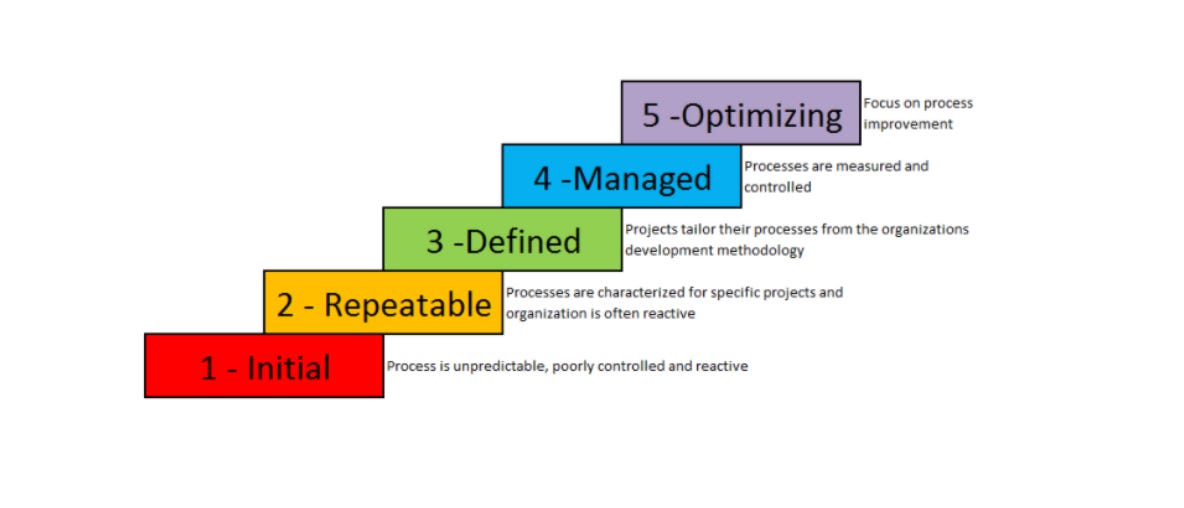
A WITS System is not simply information. It is not advice. It is not inspiration. It is a complete framework for execution.
Whether the goal is generating leads, launching a business, growing a social media account, automating operations, improving productivity, managing a team, creating content, or building a revenue stream, the focus is always the same: creating a repeatable path from action to outcome that makes results predictable instead of random or inconsistent.

Every successful company, creator, operator, team, and entrepreneur relies on systems, whether they realize it or not.

Amazon runs on fulfillment systems.
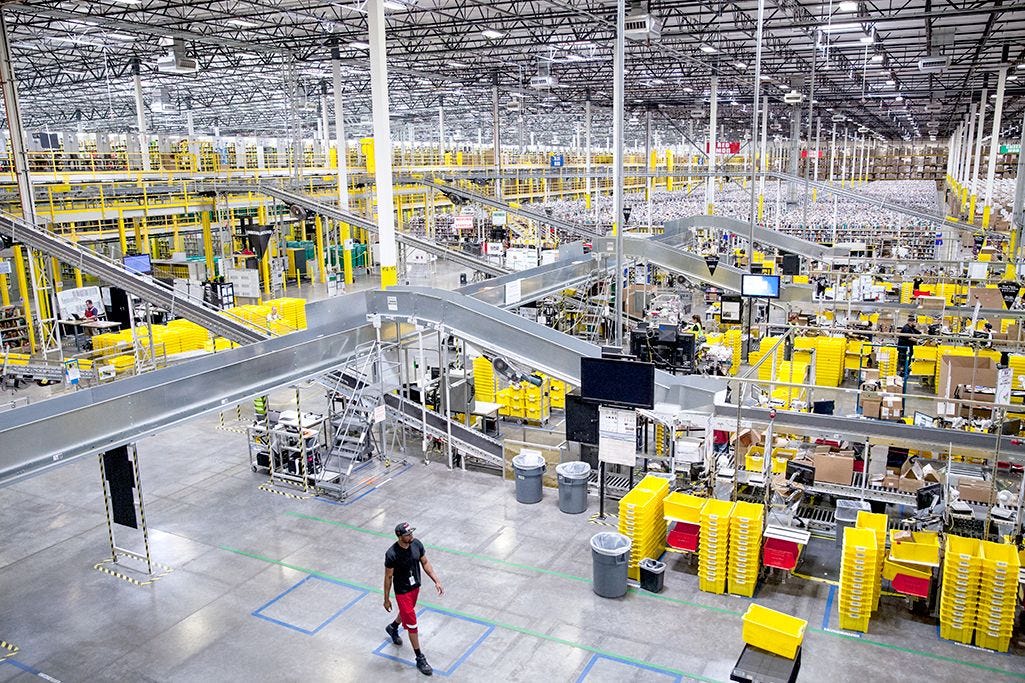
McDonald’s runs on operational systems.
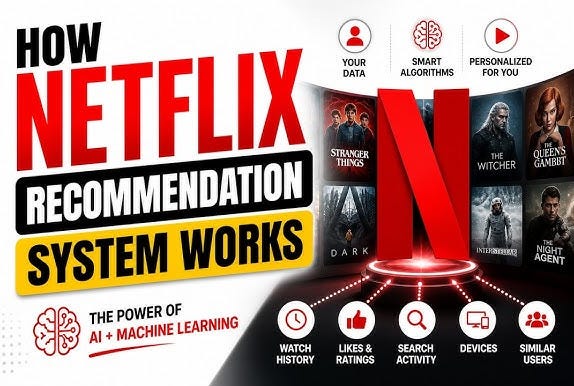
Netflix runs on recommendation systems.
Influencers run on content systems.

Agencies run on client acquisition systems.

The problem is that most systems remain trapped inside people’s heads, businesses, hidden inside departments, locked inside someone’s expertise, or scattered across documents, software, employees, and workflows.
WITS changes that.
WITS exists to identify, package, standardize, and distribute systems as valuable assets. Instead of buying information, buyers gain access to repeatable frameworks designed to produce specific outcomes.

A WITS System is any repeatable process that can be documented, transferred, and executed to create a consistent result.

If it can be repeated, it can be systemized.

If it can be systemized, it can become a WITS System.

WITS Does Not Define System Types
One of the biggest misconceptions about systems is that they belong to specific categories.
They do not.
WITS does not define systems by industry, profession, business model, or niche.
WITS defines systems by repeatability.
If a process can be documented, transferred, implemented, and consistently produce an outcome, it can become a WITS System.
This means a WITS System can exist almost anywhere.
What Is A WITS System?
A WITS System is a structured framework designed to consistently produce a specific outcome.
The system may include:
• Workflows
• Processes
• Templates
• Automations
• Checklists
• Tools
• Documentation
• Training materials
• Operating procedures
• Software integrations
• Decision frameworks
The purpose is always the same:
Create a repeatable path from action to outcome.

The Difference Between Information and Systems
Most marketplaces sell information.
WITS focuses on execution.
For example, a marketing course may teach someone how advertising works.
A WITS Marketing System would provide:
• The campaign structure
• The exact workflow
• The templates
• The automations
• The implementation process
• The expected outcome
Instead of buying knowledge alone, buyers gain access to a system designed to produce results.
The same principle applies across every category.
A business consultant may provide recommendations.
A WITS Business System provides the operating framework itself.
A creator may share content ideas.
A WITS Content System provides the entire content production engine.
The goal is always practical implementation.

Examples Of WITS Systems
The following examples exist for one reason: to show why someone would actually use a system instead of figuring things out manually.
A WITS System is not bought because it is “organized.”
It is bought because it removes uncertainty, reduces failure risk, and replaces trial and error with a working path.
These are just examples, not categories that define the limits of what a WITS System can be.
The entire point of WITS is that any repeatable process can become a system.
The mistake would be creating a fixed list because then people immediately start thinking:
“Does my thing fit into one of these buckets?”
Instead, WITS communicates that systems can exist anywhere repeatability exists.

All of these could be WITS Systems:
Business Systems

A laundromat operating system.
Outcome:
Operate a profitable laundromat.
What it is:
A step-by-step operating model for starting and running a laundromat without guessing critical business decisions.
Why someone would use it:
Most people entering this type of business do not fail because they lack effort. They fail because they do not know:
• what equipment is actually worth buying
• where the business should be located to survive
• how pricing should be structured to stay profitable
• how to manage operating costs early
• how to avoid expensive setup mistakes
They are forced to learn through real financial loss.
What the system does is remove that exposure.
Instead of learning by losing money, the buyer follows a tested structure that shows:
“Here is how to set it up correctly the first time and avoid preventable failure.”
Includes:
• Equipment requirements
• Location selection criteria
• Pricing model
• Staffing process
• Maintenance schedule
• Revenue tracking procedures
What it replaces:
Guesswork, expensive consulting, and early-stage mistakes that often shut businesses down before they stabilize.
Marketing Systems
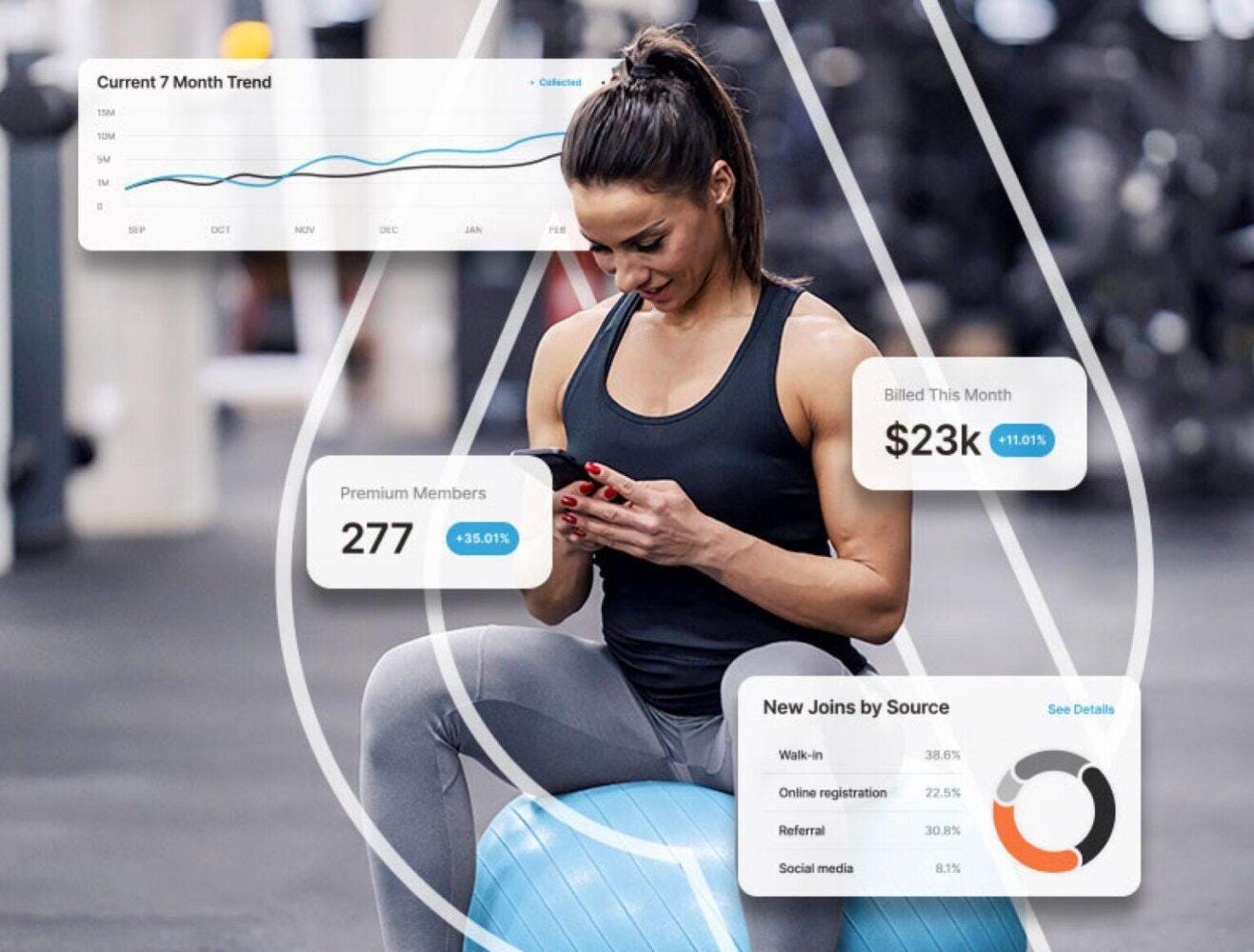
A local gym lead generation system.
Outcome:
Generate consistent monthly gym memberships.
What it is:
A repeatable system for bringing in new customers through structured marketing and follow-up.
Why someone would use it:
Most gyms do not fail because they cannot deliver value. They fail because customer flow is unpredictable.
They deal with:
• random spikes of new members
• months of no growth
• reliance on referrals or walk-ins
• no control over demand
What the system does is turn customer acquisition into something measurable and repeatable.
Instead of hoping people show up, the business can run a system that says:
“We can reliably generate new members every month.”
Includes:
• Advertising campaigns
• Landing pages
• Lead capture forms
• Email follow ups
• SMS sequences
• Appointment booking workflow
What it replaces:
Unpredictable marketing, reliance on word-of-mouth, and inconsistent revenue flow.
Content Systems

A podcast content engine.
Outcome:
Turn one recording into a full content ecosystem.
Why someone would use it:
Most creators burn out not because they lack ideas, but because they are forced to constantly start from zero.
They face:
• pressure to post daily
• no reuse of long-form content
• inconsistent output
• wasted effort from single-use content
What the system does is multiply output from one input.
Instead of “what do I post today,” the system creates a pipeline:
“One recording becomes weeks of content automatically structured for distribution.”
Includes:
• Content extraction process
• Video clipping workflow
• Social media templates
• Newsletter generation process
• Publishing schedule
What it replaces:
Creative burnout and constant content restart cycles.
Operations Systems

A restaurant onboarding system.
Outcome:
Train staff quickly and consistently.
Why someone would use it:
Restaurants often do not fail because of food quality, but because execution varies from employee to employee.
Problems include:
• every manager trains differently
• inconsistent service quality
• repeated retraining of the same roles
• wasted time onboarding new staff
What the system does is standardize performance.
Instead of “who trained you matters,” the system ensures:
“everyone is trained the same way every time.”
Includes:
• Training videos
• SOPs
• Checklists
• Performance standards
• Evaluation process
What it replaces:
Inconsistent training and operational breakdown caused by human variation.
Sales Systems

A cold outreach system.
Outcome:
Generate predictable sales conversations.
Why someone would use it:
Most sales problems come from randomness, not effort.
People:
• message inconsistently
• change approach every time
• lack follow-up structure
• rely on motivation instead of process
What the system does is remove randomness from sales activity.
Instead of hoping for replies, it creates a repeatable pipeline:
“If you follow this process, you generate conversations consistently.”
Includes:
• Prospecting process
• Outreach scripts
• Follow up sequences
• Qualification criteria
• Appointment workflow
What it replaces:
Random outreach and inconsistent revenue generation.
Creative Systems
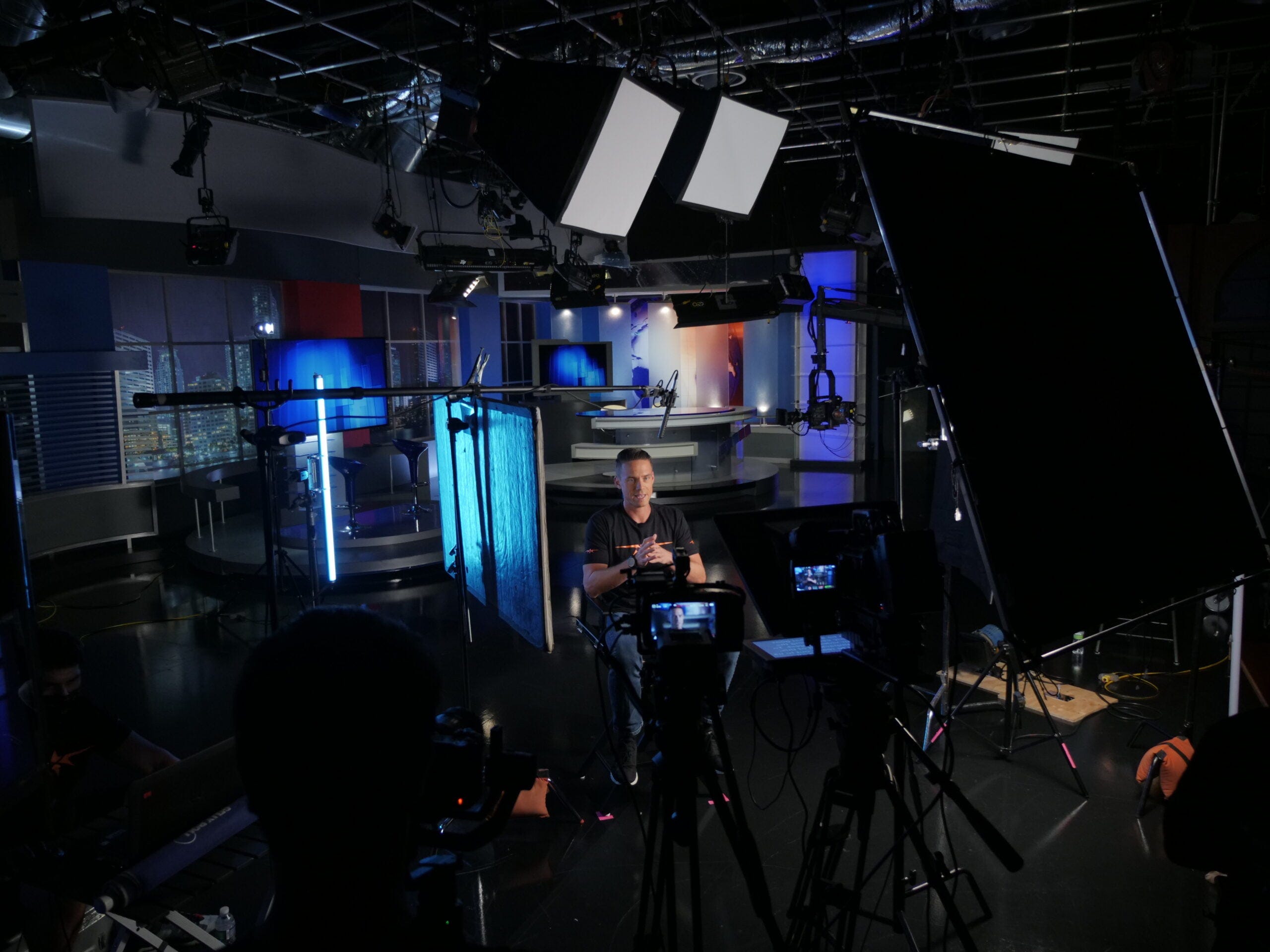
A film production system.
Outcome:
Move from idea to finished film in a structured way.
Why someone would use it:
Creative production fails when coordination breaks down.
Problems include:
• unclear workflow
• missed steps
• miscommunication across teams
• delayed execution
What the system does is turn chaos into sequence.
Includes:
• Development process
• Pre production workflow
• Shooting schedule
• Post production framework
• Distribution plan
What it replaces:
Disorganized production and project breakdown.
Education Systems

A language learning system.
Outcome:
Learn a language through structured progression.
Why someone would use it:
Most learners fail because they do not know:
• what to study next
• how to measure progress
• how to stay consistent
What the system does is remove ambiguity from learning.
Instead of random study, it provides:
“A structured path from beginner to fluency.”
Includes:
• Learning schedule
• Practice routines
• Testing methodology
• Progress tracking
• Resource library
What it replaces:
Unstructured learning and inconsistent progress.
Technology Systems

An AI automation system.
Outcome:
Automate repetitive digital work.
Why someone would use it:
Most businesses waste time on repetitive tasks that do not require human decision-making.
What the system does is remove that repetition entirely.
Includes:
• Automation workflows
• Software integrations
• Prompt libraries
• Quality control procedures
• Reporting dashboards
What it replaces:
Manual admin work and inefficient tool switching.
Event Systems

A conference planning system.
Outcome:
Run large events without operational breakdown.
Why someone would use it:
Events fail when coordination is unclear.
What the system does is align every moving part into one structured plan.
Includes:
• Venue workflow
• Vendor management
• Ticketing process
• Marketing plan
• Staff coordination framework
What it replaces:
Chaotic planning and last minute execution failures.
Personal Systems

A personal productivity system.
Outcome:
Improve daily output and consistency.
Why someone would use it:
Most people do not fail from lack of goals, but from lack of structure.
They:
• react instead of plan
• lose track of priorities
• rely on motivation
• fail to execute consistently
What the system does is replace reaction with structure.
Includes:
• Planning process
• Priority framework
• Scheduling method
• Review system
• Performance tracking
What it replaces:
Unstructured daily behavior and inconsistent output.
The WITS Standard

A system is not valuable simply because someone calls it a system.
A PDF is not automatically a system.
A checklist is not automatically a system.
A course is not automatically a system.
A collection of files is not automatically a system.
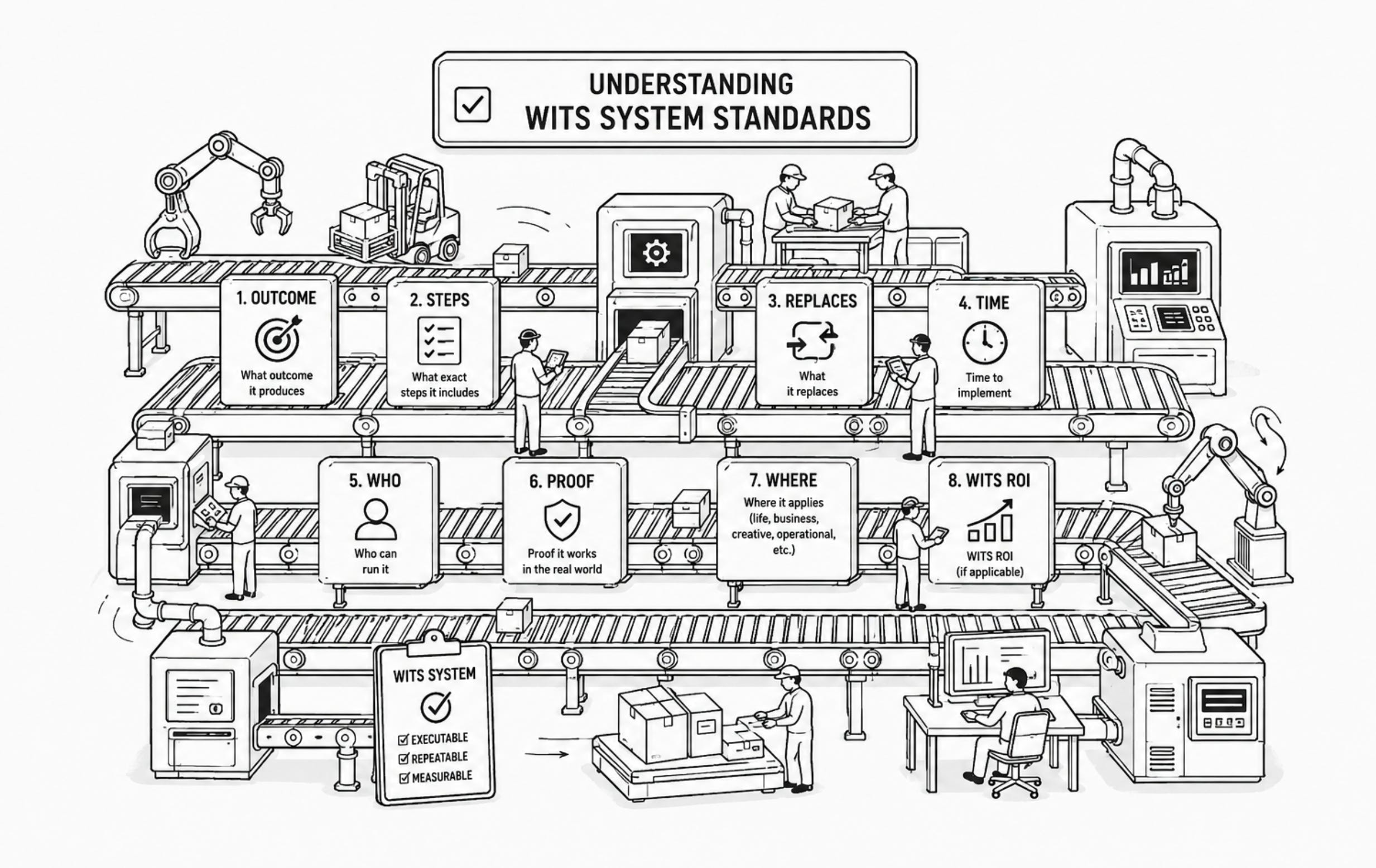
To Qualify every WITS System Must Include:
1. Every WITS System Must Clearly Define The Outcome
The system must clearly state what result it produces.
Not:
“Improve your marketing.”
Instead:
• Generate 100 qualified leads per month.
• Publish 30 social media posts per month.
• Reduce onboarding time by 50%.
• Launch an online store in 14 days.
• Cut customer support response times from 24 hours to 3 hours.
A buyer should immediately understand the intended result.
2. Every WITS System Must Define The Exact Process

The system must explain exactly how the outcome is achieved.
Weak Example:
“Use social media to grow.”
Strong Example:
1 Research trending topics.
2 Create five short videos.
3 Publish daily.
4 Reply to comments.
5 Repurpose content into newsletters.
6 Review analytics weekly.
The process should be visible, measurable, and repeatable.
3. Every WITS System Must Define What It Replaces

Every system should explain why it exists.
What inefficient, outdated, expensive, or manual process does it improve?
Example:
Old Method:
A business owner manually sends invoices every week.
WITS System:
Invoices are automatically generated and sent through software integrations.
What It Replaces:
Manual administration.
Value Created:
Hours saved every week.
4. Every WITS System Must Define Time To Implement

Buyers need realistic expectations.
Examples:
Instagram Content System
Implementation Time: 1 Day
Restaurant Operations System
Implementation Time: 30 Days
Franchise Expansion System
Implementation Time: 90 Days
A buyer should understand how much setup is required before results can begin.
5. Every WITS System Must Specify Who Can Run It

Not every system requires the same skill level.
Examples:
Personal Budgeting System
Who Can Run It:
Anyone.
Email Marketing System
Who Can Run It:
Small business owners.
Advanced AI Automation System
Who Can Run It:
Technical operators or agencies.
This prevents buyers from purchasing systems they cannot realistically implement.
6. Every WITS System Must Provide Real World Proof

Ideas are not enough.
Systems must demonstrate evidence that they work in real environments.
Proof may include:
• Revenue generated
• Cost reductions
• Time savings
• Case studies
• Customer outcomes
• Screenshots
• Performance reports
• Operational metrics
Example:
A customer service system reduced average response times from 24 hours to 3 hours.
That is proof.
Another Example:
A content system increased publishing output from 5 posts per month to 50.
That is proof.
WITS prioritizes execution over theory.
7. Every WITS System Must Define The Areas Of Application

Systems should clearly define where they apply.
Examples:
• Business
• Marketing
• Sales
• Operations
• Education
• Hospitality
• Manufacturing
• Healthcare
• Technology
• Events
• Creative Industries
• Personal Productivity
This helps buyers quickly determine relevance.
8. Every WITS System Must Provide The WITS ROI

Every WITS System must define its WITS ROI.
What’s in it for the buyer?!?
Traditional ROI usually measures money.
WITS ROI measures total value created.
This includes:
• Revenue generated
• Costs reduced
• Time saved
• Efficiency gains
• Opportunities unlocked
• Resources conserved
Understanding WITS ROI

Imagine a content automation system costs $500.
After implementation it:
• Eliminates a $1,000 monthly contractor expense
• Saves 20 hours every month
• Doubles publishing output
• Increases audience growth
Under traditional ROI, only revenue might be measured.
Under WITS ROI, every form of value counts.

Now imagine a warehouse optimization system.
The system:
• Reduces errors by 40%
• Reduces labor requirements
• Speeds up fulfillment
• Improves customer satisfaction
Even if no new revenue is generated immediately, significant value has been created.
That value is part of WITS ROI.
WITS Systems can exist in business, marketing, content, operations, education, health, events, technology, manufacturing, hospitality, community building, personal development, and countless other fields.

Examples Of How System Types Function:
Playbooks
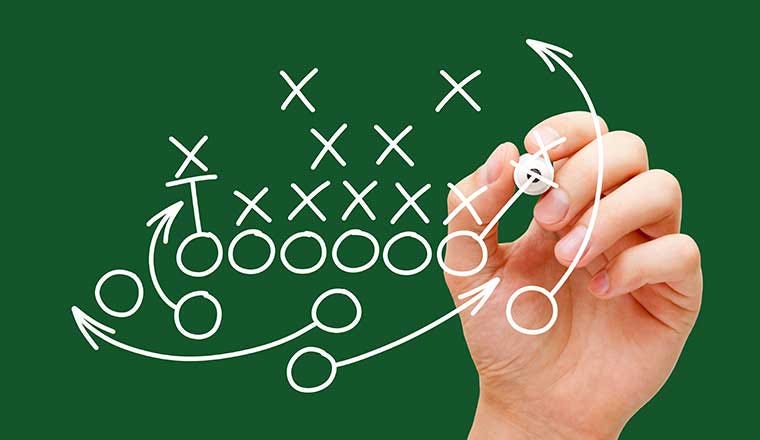
A playbook is a documented set of instructions that guides someone toward a specific outcome.
Think of it as a blueprint.
Example:
Imagine a local photographer who consistently books 20 clients every month using Instagram.
The playbook could include:
• Daily posting schedule
• Content ideas
• Hashtag strategy
• Outreach scripts
• DM templates
• Follow up sequences
• Booking workflow
The buyer receives the exact process instead of figuring everything out through trial and error.
Outcome:
Book more photography clients.
What it replaces:
Random posting and guesswork.
WITS ROI:
More clients, less wasted time, faster growth.
WITS System Type 2:
Business Models
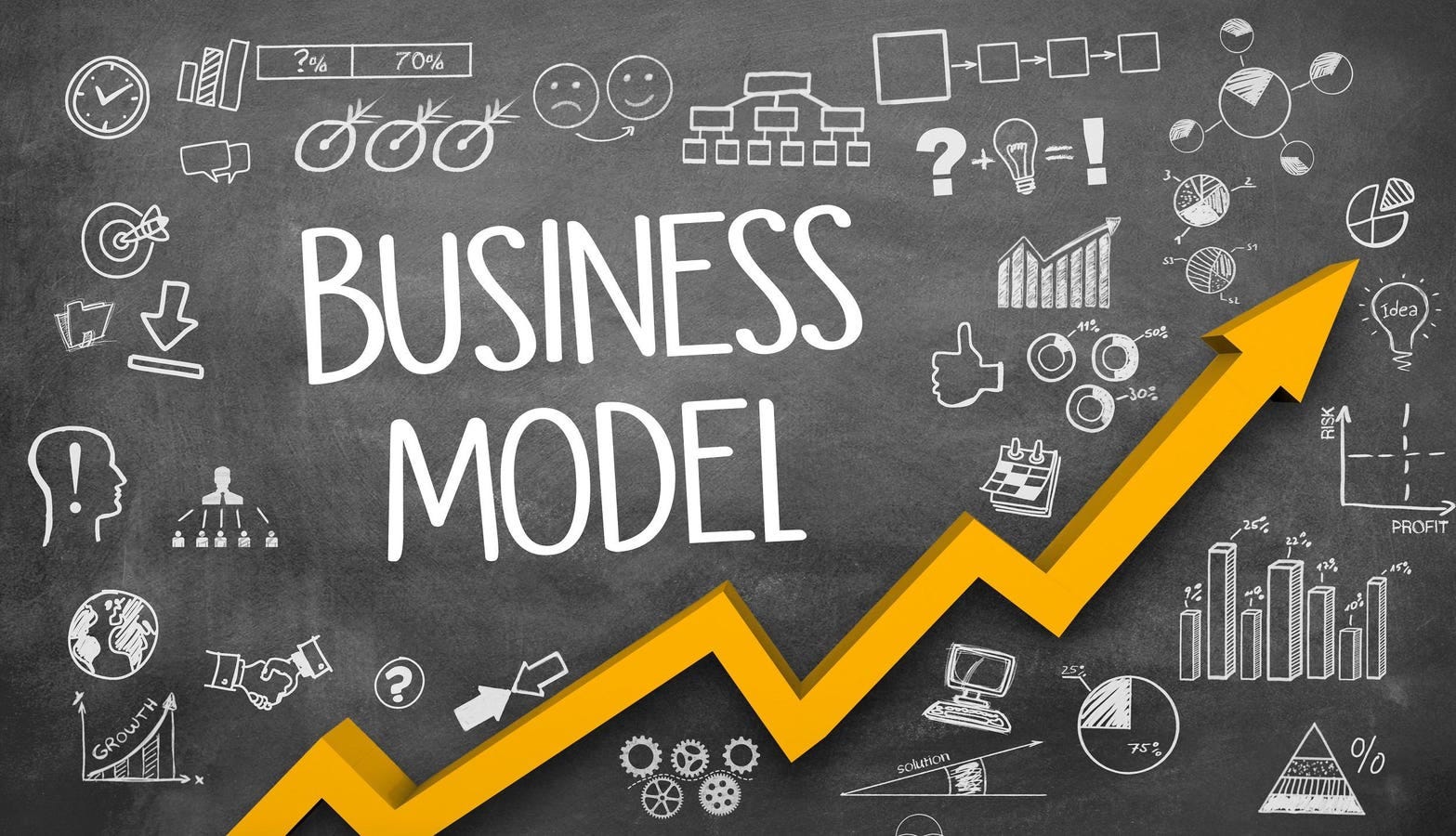
A business model explains how revenue is generated.
Most people understand businesses.
Very few understand the systems behind them.
A WITS Business Model breaks down exactly how a business operates and earns money.
Example:
A laundromat business system.
Included:
• Equipment requirements
• Startup costs
• Location requirements
• Pricing model
• Staffing requirements
• Maintenance procedures
• Revenue streams
• Expansion opportunities
Instead of simply saying “own a laundromat,” the buyer receives the framework that explains how the business actually works.
Outcome:
Launch or operate a laundromat business.
What it replaces:
Guesswork and expensive consulting.
WITS ROI:
Revenue generation and reduced startup mistakes.
WITS System Type 3:
Content Engines
Content creation is one of the biggest bottlenecks in modern business.
Most people create content manually.
Content engines create content systematically.
Example:
A podcast content engine.
Input:
One 60 minute podcast episode.
Output:
• 30 social media posts
• 10 short clips
• 3 newsletters
• 5 LinkedIn articles
• 20 quote graphics
Every piece follows a documented workflow.
Instead of constantly wondering what to post next, the system creates a repeatable content pipeline.
Outcome:
Consistent content production.
What it replaces:
Creative burnout and inconsistent publishing.
WITS ROI:
Time saved, audience growth, marketing efficiency.
WITS System Type 4:
Marketing Systems

Marketing systems are designed to predictably attract attention, leads, or customers.
Example:
A local gym lead generation system.
System includes:
• Facebook ad templates
• Landing pages
• Lead forms
• Email follow ups
• SMS automation
• Appointment booking workflow
The owner no longer needs to manually chase leads.
The system handles the process.
Outcome:
More qualified prospects.
What it replaces:
Manual lead generation.
WITS ROI:
Higher customer acquisition and reduced labor.
WITS System Type 5:
Operations Systems

Operations systems make organizations run more efficiently.
These systems often save more money than they generate.
Example:
Restaurant employee onboarding system.
Included:
• Training videos
• Standard operating procedures
• Checklists
• Evaluation criteria
• Performance benchmarks
Instead of managers repeating instructions every week, employees follow a repeatable training process.
Outcome:
Faster onboarding.
What it replaces:
Repeated training and inconsistent performance.
WITS ROI:
Lower labor costs and improved efficiency.
WITS System Type 6:
Hands Free Business Systems

These are complete operating frameworks designed to run with minimal owner involvement.
They often combine multiple systems into one package.
Example:
An automated newsletter business.
Included:
• Topic research workflow
• AI content generation workflow
• Scheduling tools
• Advertising strategy
• Monetization process
• Subscriber growth system
Rather than purchasing individual components, buyers acquire the entire operating model.
Outcome:
Operate a media business.
What it replaces:
Building everything from scratch.
WITS ROI:
Revenue generation and time savings.
Why WITS Standards Exist

The future economy is increasingly driven by systems.
Businesses compete through systems.
Creators scale through systems.
Teams operate through systems.
Entire industries are built on systems.
Yet most marketplaces still focus on selling products, services, or information individually.
WITS introduces a marketplace built around something far more valuable: execution frameworks that can be adopted, replicated, optimized, and scaled.
The goal is simple.
If a process consistently produces a result, it should be possible to package it, document it, evaluate it, and share it as a system.
That is the foundation of WITS System Standards.
Because in a world overflowing with information, the greatest asset is not knowing what works.
It is owning the system that makes it work.
Why System Standards Matter

Without standards, anyone can claim something is a system.
WITS creates a framework for separating true systems from information products.
The goal is not to sell knowledge.
The goal is to package execution.
Because in a world overflowing with information, the greatest asset is not knowing what works.
It is owning the system that makes it work.
And if a process can consistently produce an outcome, WITS believes it should be possible to document it, standardize it, transfer it, and share it with the world.
A PDF is not automatically a system.
A course is not automatically a system.
A checklist is not automatically a system.
A WITS System must clearly define:
✔ The outcome
✔ The exact process
✔ What it replaces
✔ Time to implement
✔ Who can run it
✔ Real world proof
✔ Areas of application
✔ WITS ROI
These standards transform vague ideas into measurable assets.
Because the future will not belong to those with the most information.
It will belong to those with the best systems.