
Wealth Accumulates Around the Infrastructure That Moves Value, Not Just Products.
Trade Routes → Value Networks → Commodities → Systems


Most people misunderstand where wealth comes from.

They think wealth accumulates around products. They see Apple and think the iPhone. They see Saudi Arabia and think oil. They see Hollywood and think movies. They see Amazon and think packages showing up at people’s doors.
But throughout history, the biggest fortunes have rarely been built by the product itself. They have been built by the infrastructure that allows valuable things to move.
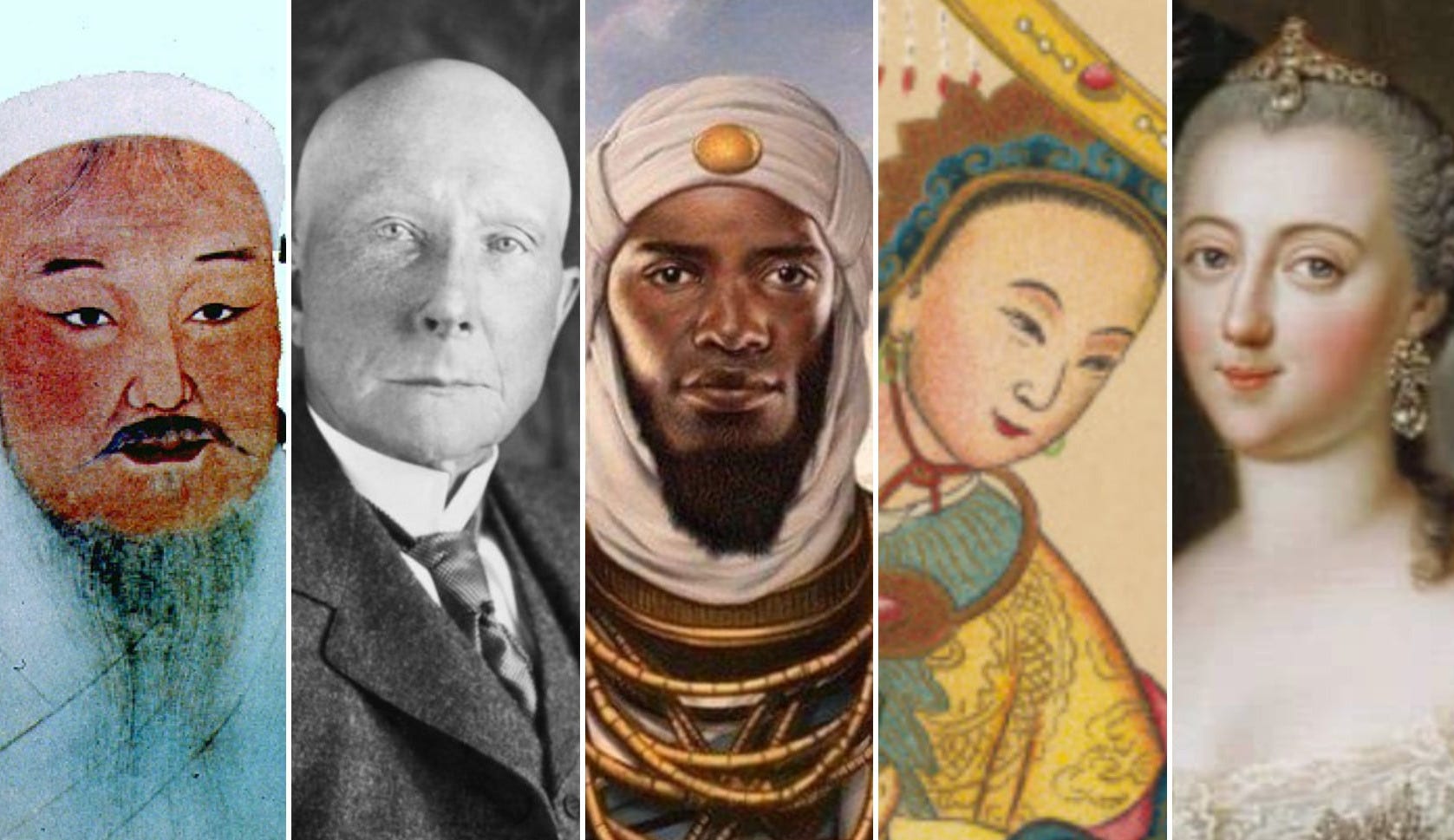
More than 2,000 years ago, the most valuable commodity on Earth wasn’t oil, data, or AI. It was silk. Silk was so desirable that it was worth more than its weight in gold. The material was beautiful, durable, lightweight, and unlike anything else available at the time. Even more importantly, China was the only place that knew how to produce it. The process was a closely guarded secret, and revealing it could be punishable by death.

Naturally, the rest of the world wanted silk. The problem was that wanting something and obtaining it are two very different things.
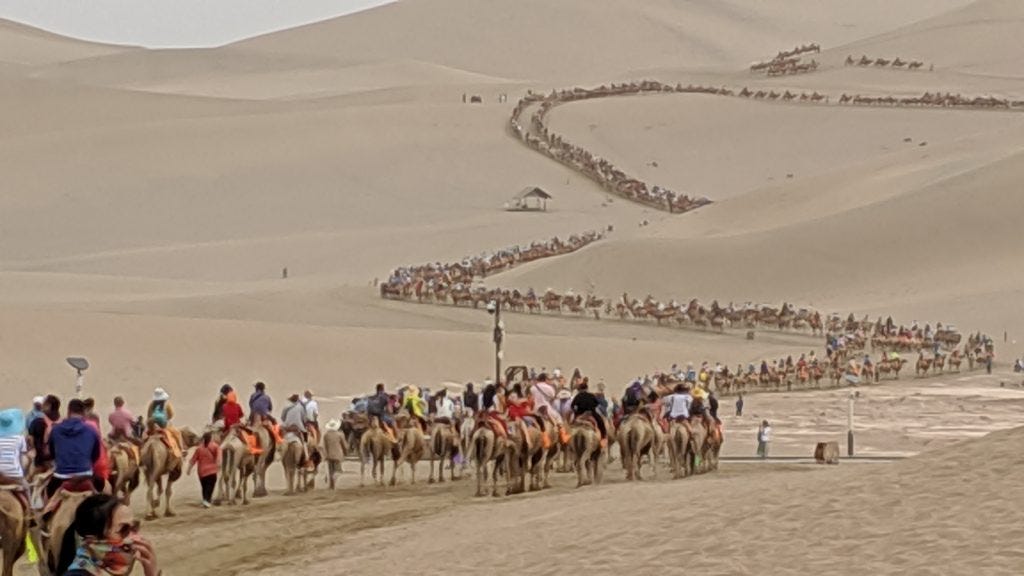
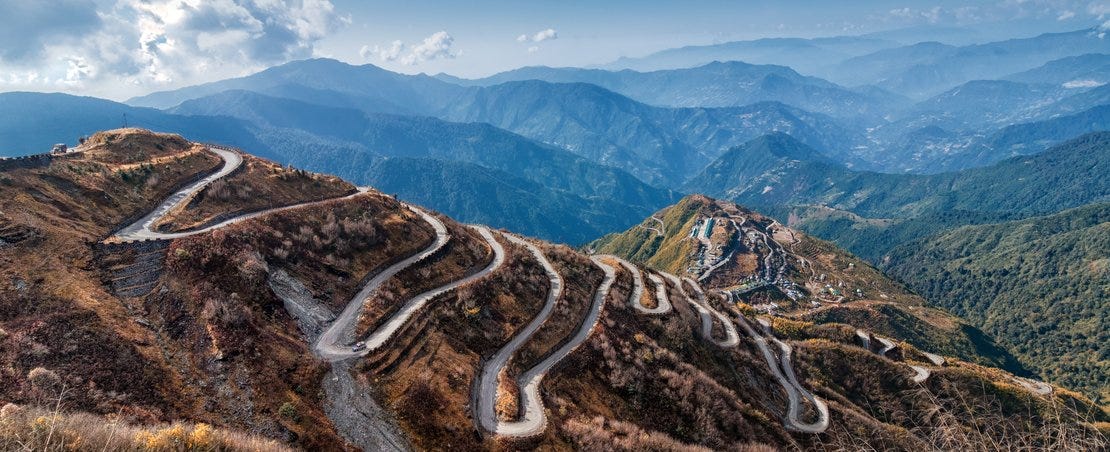
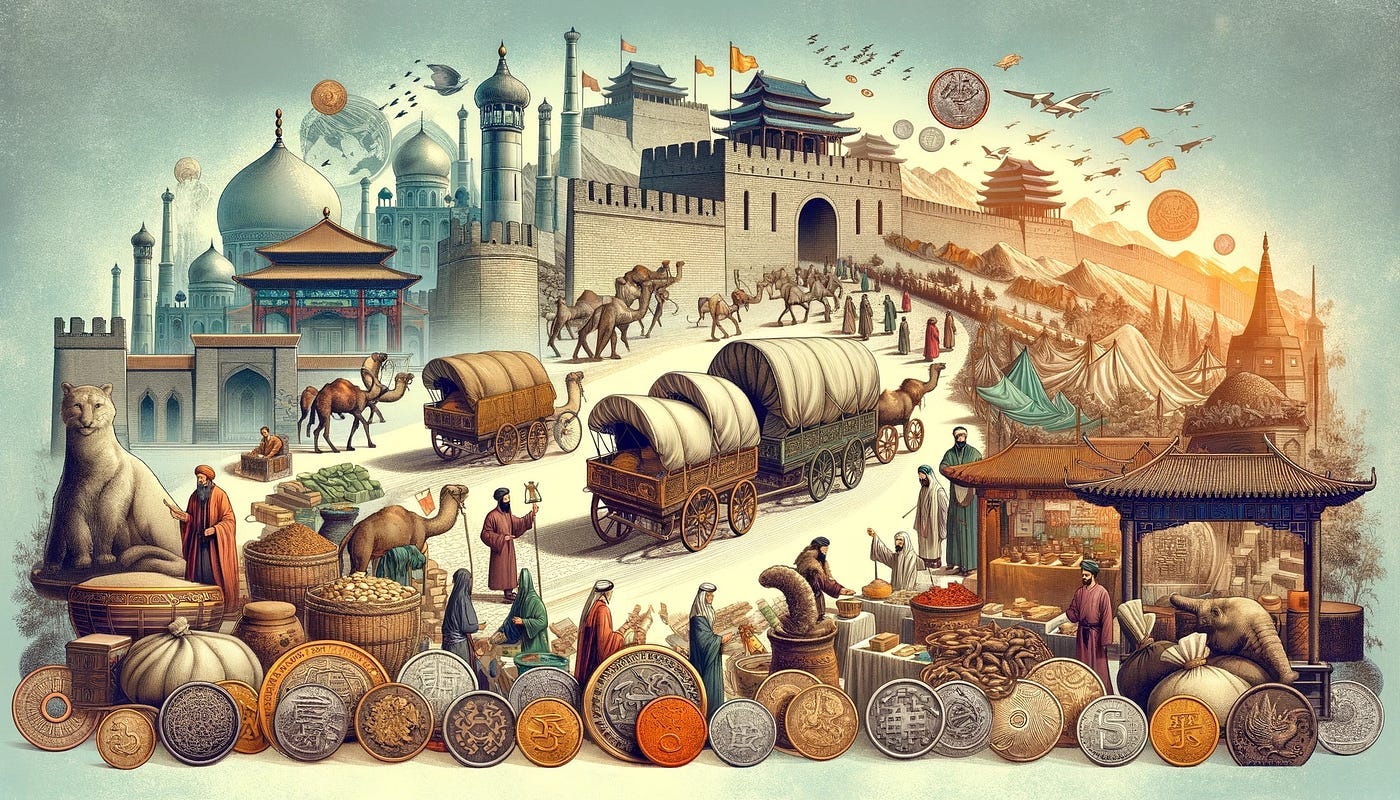
China was separated from Europe, the Middle East, and much of Asia by mountains, deserts, rivers, and hostile territories. Getting silk from one side of the world to the other required an enormous amount of effort. This is where many people get the story wrong. The Silk Road was not a road. It was an infrastructure network. It was a collection of routes, cities, ports, marketplaces, warehouses, security systems, financial institutions, and trade hubs that collectively enabled value to move.
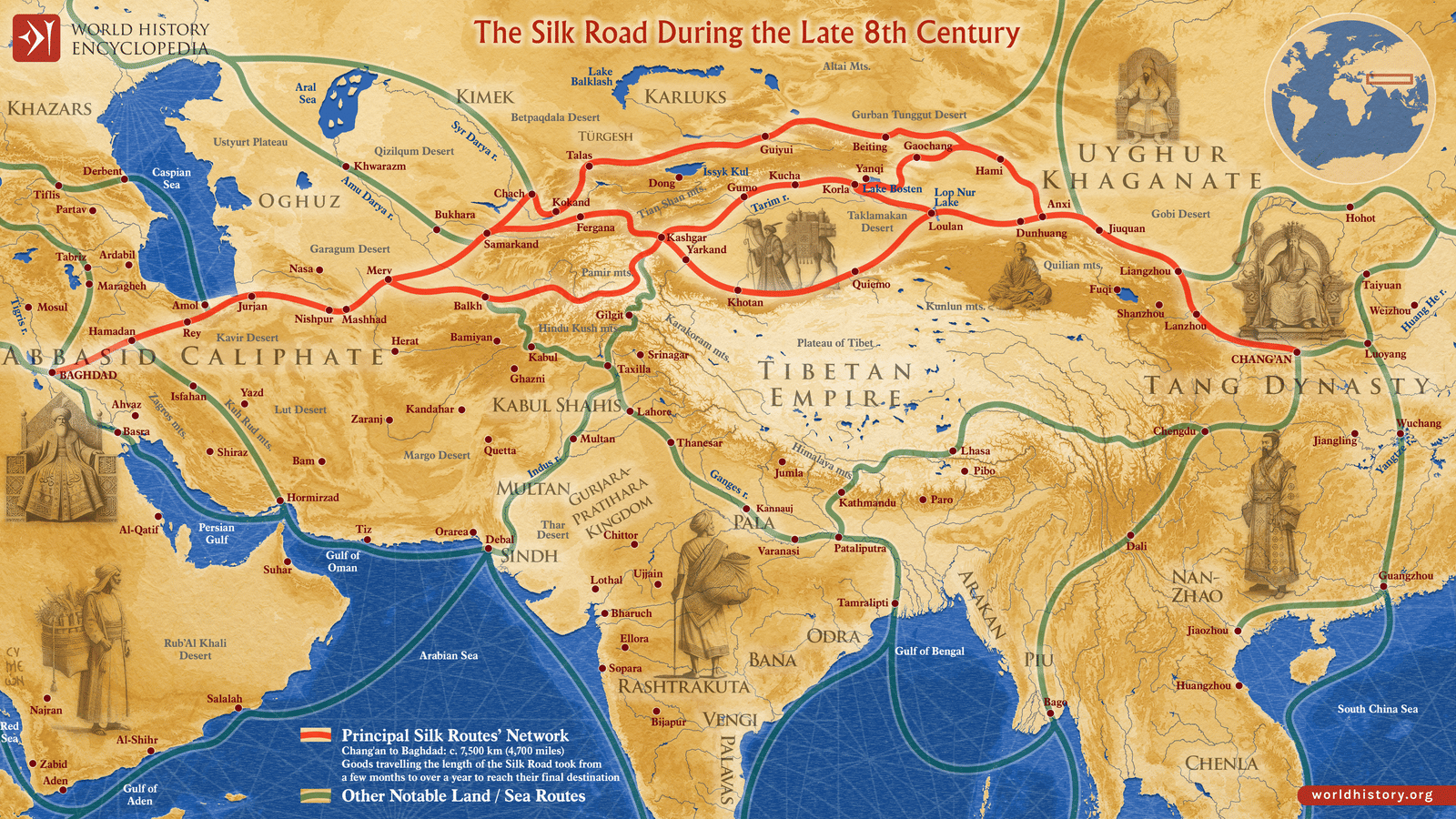
Traveling from China to Rome could take years. Most merchants never completed the entire journey. Goods were passed from trader to trader, city to city, and region to region. Along the way, entire economies emerged to support that movement. Wells had to be dug. Markets had to be built. Armies had to protect routes. Warehouses had to store goods. Financial systems had to facilitate transactions. Every stop along the route created opportunities for someone to capture value.
What’s fascinating is that the cities that became rich weren’t necessarily the cities producing silk. They were the cities through which silk passed.
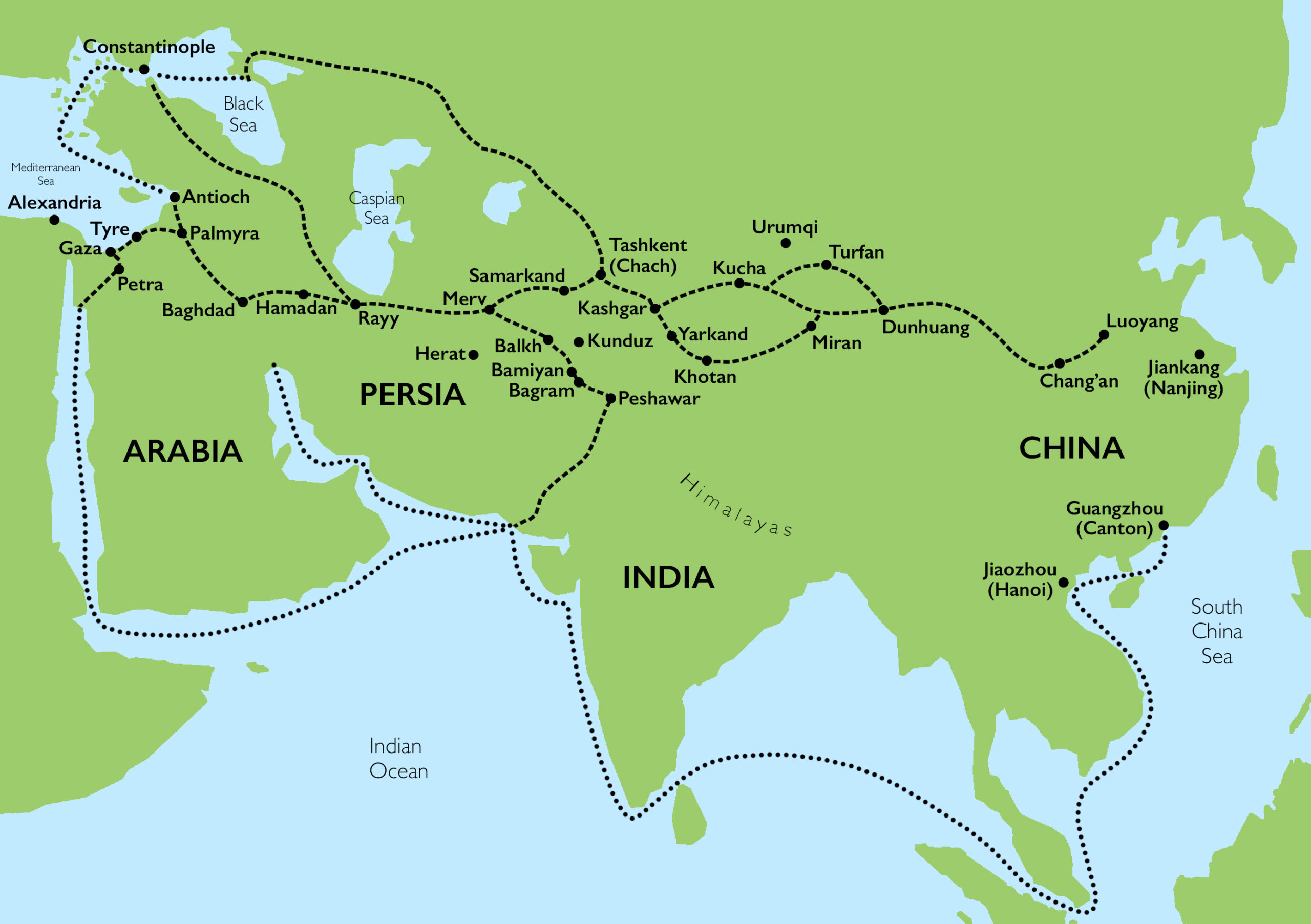
Samarkand became powerful because it sat at a strategic crossroads connecting East and West. Baghdad transformed trade into banking, credit, and scholarship. Constantinople became one of the richest cities on Earth because nearly every shipment heading west had to pass through its gates. These cities weren’t valuable because they manufactured silk. They were valuable because they controlled the infrastructure surrounding its movement.
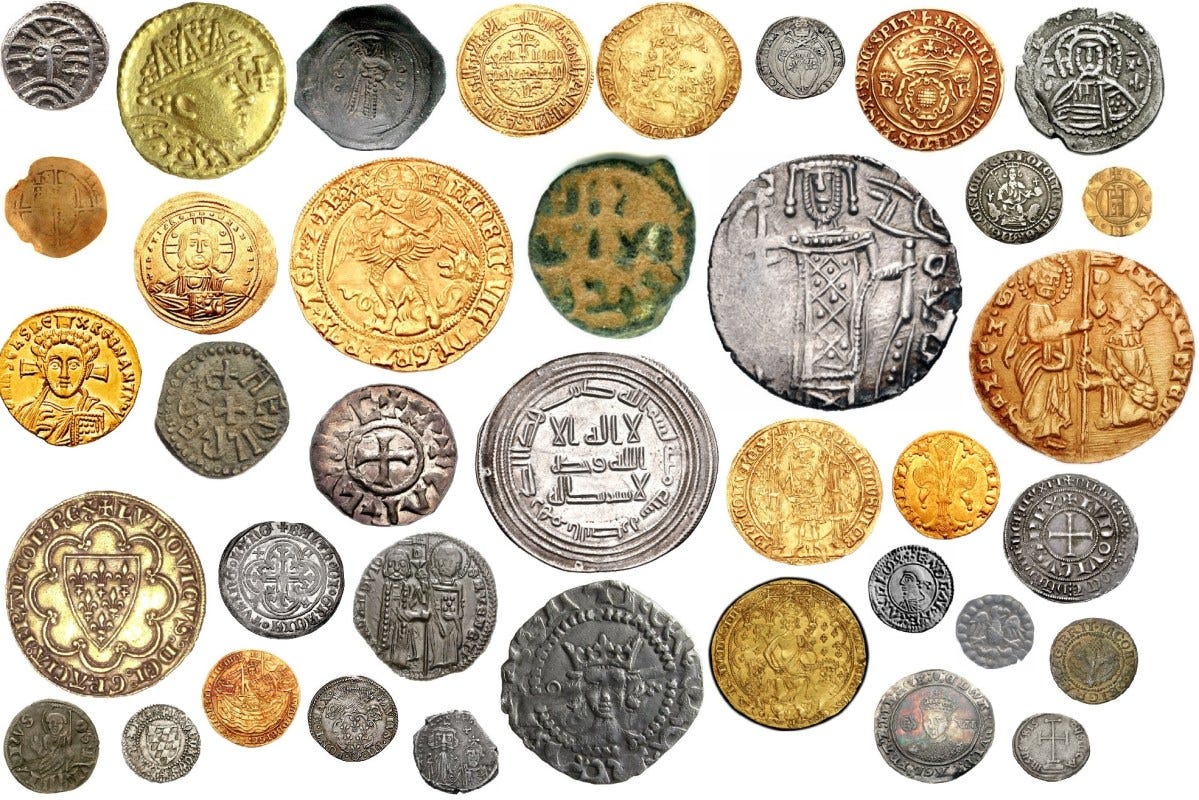
In fact, the greatest multiplier of wealth wasn’t silk itself. It was the network built around silk.
The same principle has repeated throughout history.
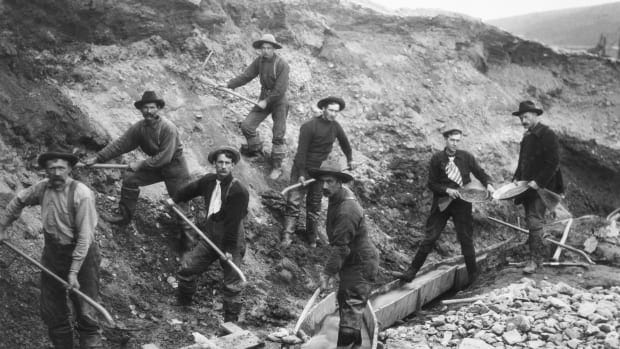
During the California Gold Rush, countless people crossed the country hoping to strike it rich digging for gold. A few succeeded. Most didn’t. Meanwhile, merchants selling tools, railroads moving supplies, banks issuing loans, and businesses supporting the ecosystem generated enormous wealth. The gold attracted attention. The infrastructure captured value.
The oil industry followed a similar pattern. Oil became one of the most valuable commodities ever discovered, but the largest fortunes weren’t simply built from barrels sitting in the ground. Wealth accumulated around pipelines, refineries, transportation systems, distribution networks, and financial structures that enabled oil to flow across the world.
The internet created another version of the same phenomenon. Many people assumed the value was in the information itself. Instead, the largest companies became the platforms, networks, marketplaces, and infrastructure layers that enabled information to move. Search engines, social networks, cloud providers, payment processors, and digital marketplaces became some of the most valuable businesses in history.
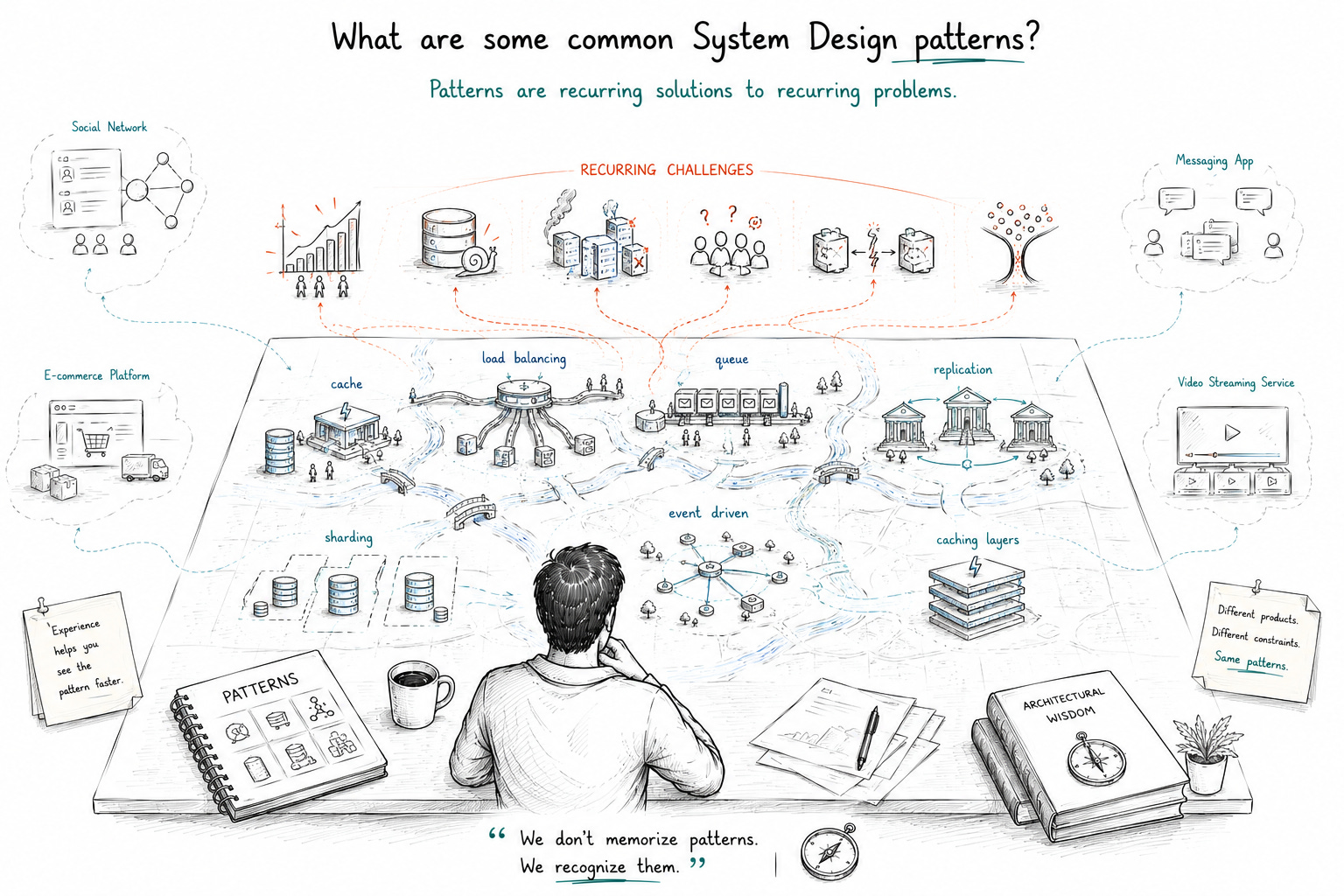
The lesson is surprisingly consistent. Products create attention. Infrastructure captures value.
Today, a new version of the Silk Road has emerged.
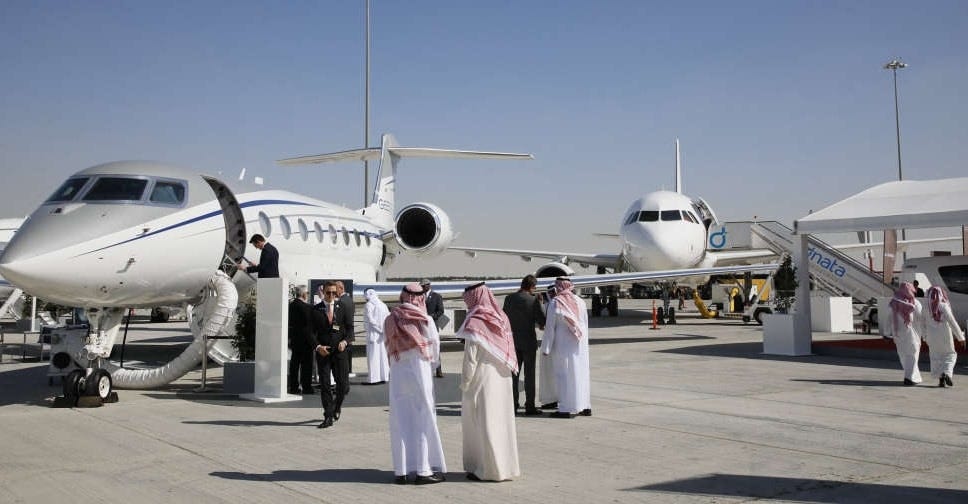
Instead of caravans carrying silk across deserts, private jets move decision makers between cities. The valuable commodity is no longer silk, spices, or porcelain. The valuable commodity is influence. It is capital. It is expertise. It is access. It is the person capable of making a billion-dollar decision.
When a billionaire lands in New York, Dubai, Davos, Sun Valley, or Cannes, they are not transporting physical goods. They are transporting opportunities. Deals are signed. Investments are made. Partnerships are formed. Entire industries can shift because a handful of people gather in the same place.

The modern Silk Road isn’t valuable because of the airspace between destinations. It is valuable because of the network of relationships, institutions, and infrastructure surrounding the people moving through it.

And this is where things get interesting.
The next great infrastructure opportunity may not be physical at all.
Today, the world is overflowing with knowledge. Every day, entrepreneurs create business models. Agencies develop client acquisition systems. Operators build workflows. Creators discover growth strategies. Experts develop frameworks that generate results.
Yet most of this value remains trapped.

A great business system often lives inside a company.
A valuable process stays locked inside an agency.
A proven revenue model remains hidden inside someone’s experience.
The challenge is no longer creating knowledge. The challenge is moving it.
If the Silk Road moved goods and the internet moved information, what moves execution?
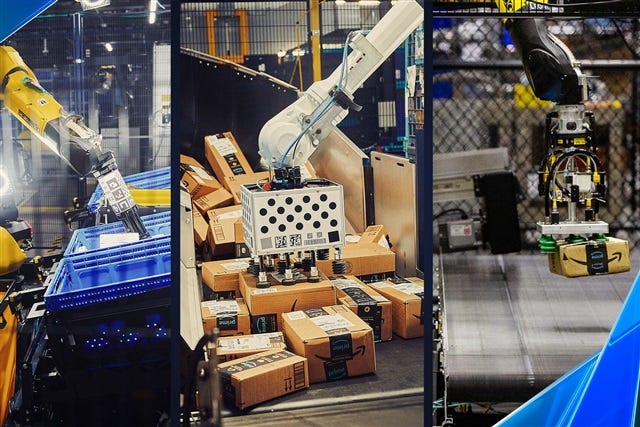
That is the question WITS is attempting to answer.
WITS is based on a simple observation: some of the most valuable assets in the modern economy are not products. They are systems. A customer acquisition system. A fan festival system. A franchise expansion system. A content engine. A business operating framework. These assets create value because they help people achieve outcomes.
But unlike physical products, systems can travel infinitely. They can be licensed, adapted, deployed, improved, and resold. One person’s expertise can become another person’s opportunity. One operator’s playbook can become a business in another city, another country, or another industry.

In many ways, WITS is not trying to build another marketplace. It is trying to build infrastructure.
The goal is not simply to help people buy and sell things.
The goal is to create a network where execution itself can move.
Because history suggests that the greatest wealth does not accumulate around products. It accumulates around the infrastructure that allows value to travel.
The Silk Road moved silk.
The internet moved information.
The next opportunity may belong to the platforms that move systems.
And wherever value moves, wealth tends to follow.