
Why Systems Are Taking Over the Modern World
The Rise of Optimized Living, Operational Packaging, and Repeatable Infrastructure

There was a time when most businesses competed primarily through products. A store sold clothing. A restaurant sold food. A trainer sold workouts. A media company sold content. The visible output was considered the business itself.
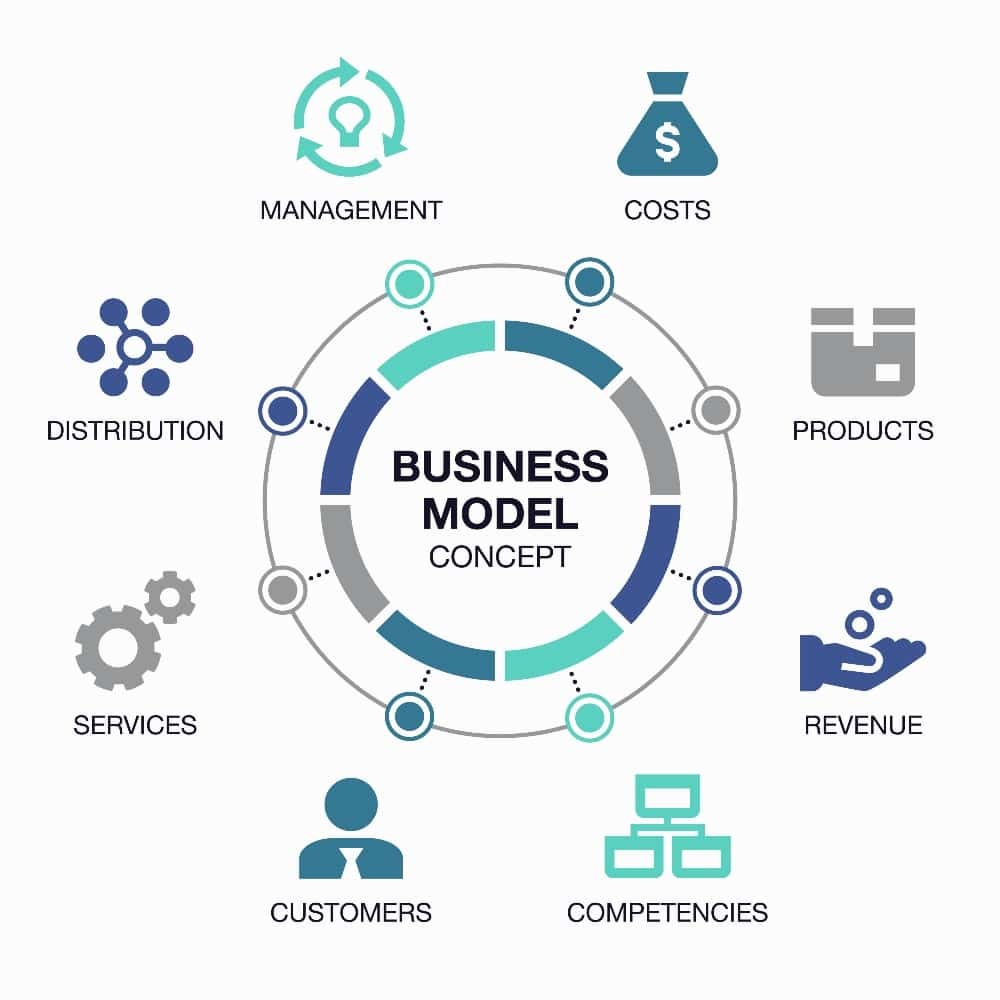
That is no longer how the modern economy functions.
Increasingly, what people are actually buying is not just the final product, but the system behind it. The value has shifted away from isolated goods and toward structured ways of producing predictable outcomes at scale. Businesses today are increasingly defined not by what they sell once, but by how efficiently and repeatedly they can generate results.
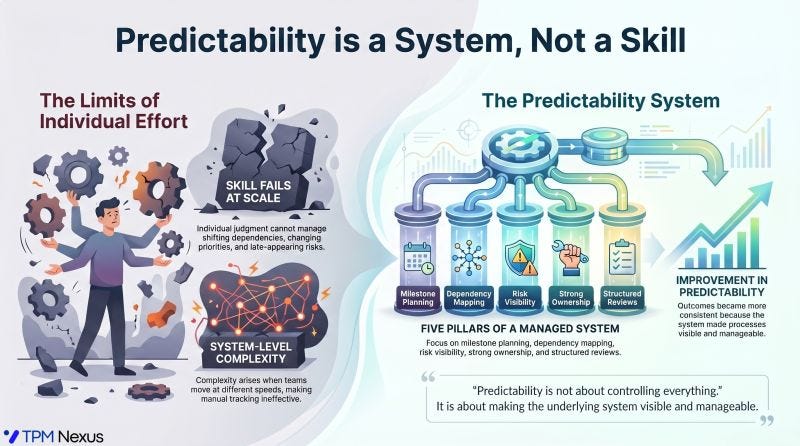
This shift is happening everywhere at once.
A restaurant is no longer simply a place that serves meals. It operates as a fulfillment system, a delivery system, a retention system, a branding system, and often a content production system simultaneously. A fitness creator is no longer just posting workouts online. They are running audience acquisition systems, subscription systems, coaching systems, monetization systems, and content distribution systems all at once. An ecommerce business is no longer just selling products. It is managing sourcing systems, pricing systems, customer acquisition systems, logistics systems, and automation workflows.
The modern economy increasingly revolves around operational structures that can be repeated, optimized, scaled, and transferred. In simple terms, the world is becoming organized around systems.
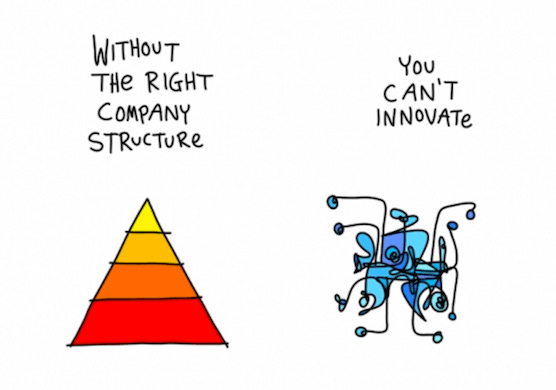
This is not a niche trend confined to technology startups or software companies. It is becoming the default logic behind how businesses, creators, platforms, and even individuals operate. Nearly every industry now rewards those who can reduce friction, standardize execution, and create repeatable operational frameworks.
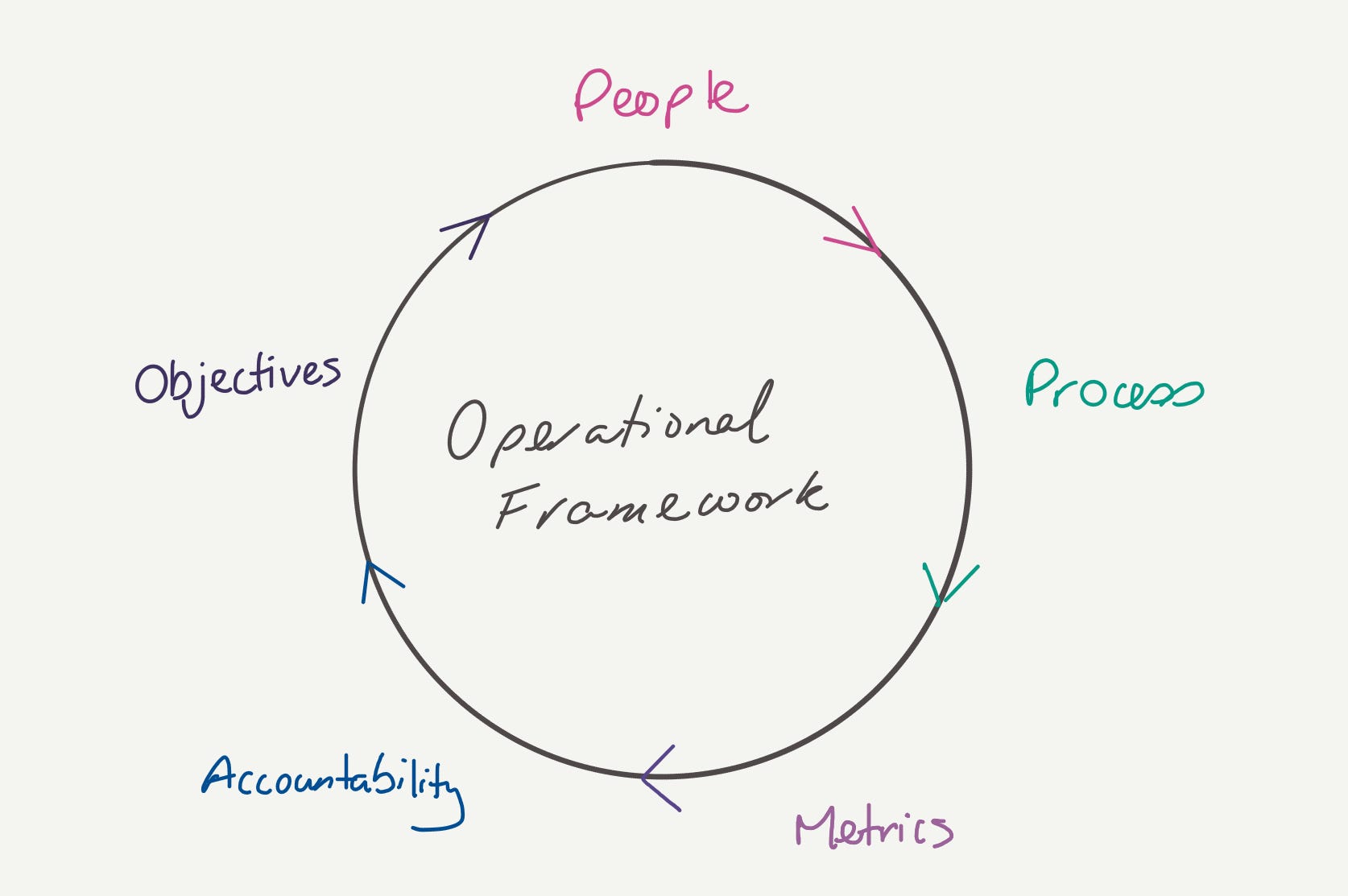
Consumers increasingly expect faster outcomes with less effort. Businesses increasingly want infrastructure that already works. Operators want systems they can deploy immediately instead of spending months building processes from scratch. The market consistently rewards simplicity, speed, and operational leverage.

This is one of the reasons optimized living has become such a dominant cultural force. Entire industries now exist around reducing inefficiency in everyday life. Meal prep systems reduce decision fatigue. Productivity systems structure workflows. Automation tools reduce manual labor. Subscription services simplify access. AI tools accelerate execution. Fitness platforms organize routines. Financial apps automate savings and investing. Everywhere you look, systems are replacing improvisation.
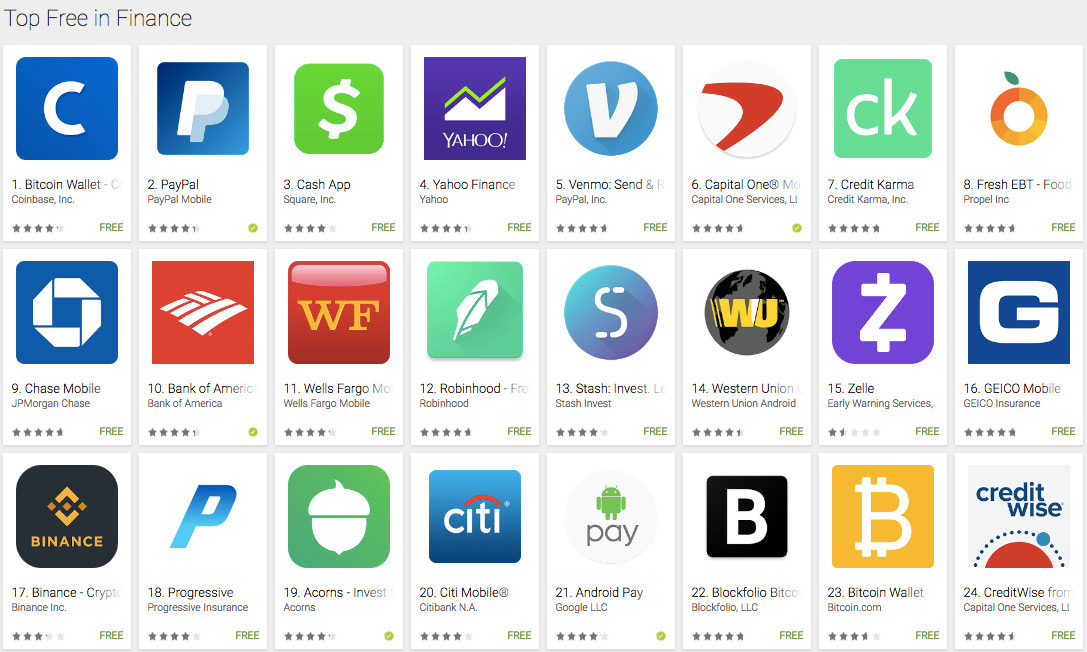
What people increasingly value is not just ownership, but operational efficiency.
The same transformation is happening inside businesses. Historically, companies created value primarily through labor. Work was performed manually, often dependent on specific individuals or teams. But today, value increasingly comes from packaging the way work is done into repeatable structures that can operate consistently over time.
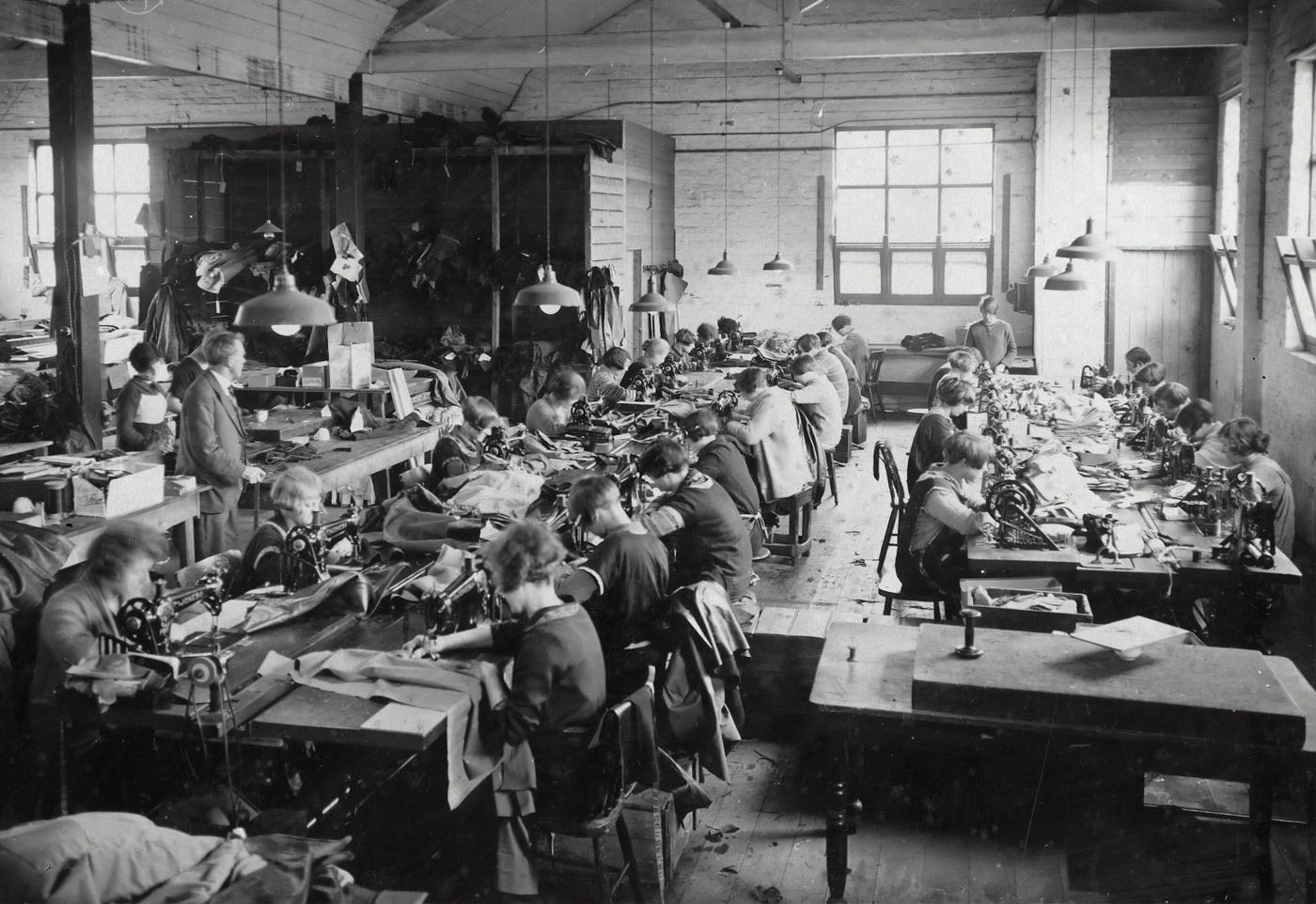
This is why franchises scale so effectively. It is why templates, playbooks, automation workflows, and standard operating procedures have become so valuable. Once a process becomes repeatable, it becomes transferable. Once it becomes transferable, it becomes scalable. And once it becomes scalable, it begins to function less like labor and more like infrastructure.
That infrastructure can then become an asset in itself.
This is one of the most important shifts taking place in the modern economy. Businesses themselves are increasingly becoming packaged operational products. A ghost kitchen is not simply a restaurant concept, it is a deployable food production and delivery system. A successful YouTube channel is not just content, it is an audience growth and monetization machine. A lead generation agency is not merely a service provider, it is a structured acquisition system. Even something as simple as a thrift resale business can evolve into a sourcing, pricing, fulfillment, and content system that operates repeatedly and predictably.
As this transformation accelerates, the boundary between “business,” “product,” and “system” continues to collapse.
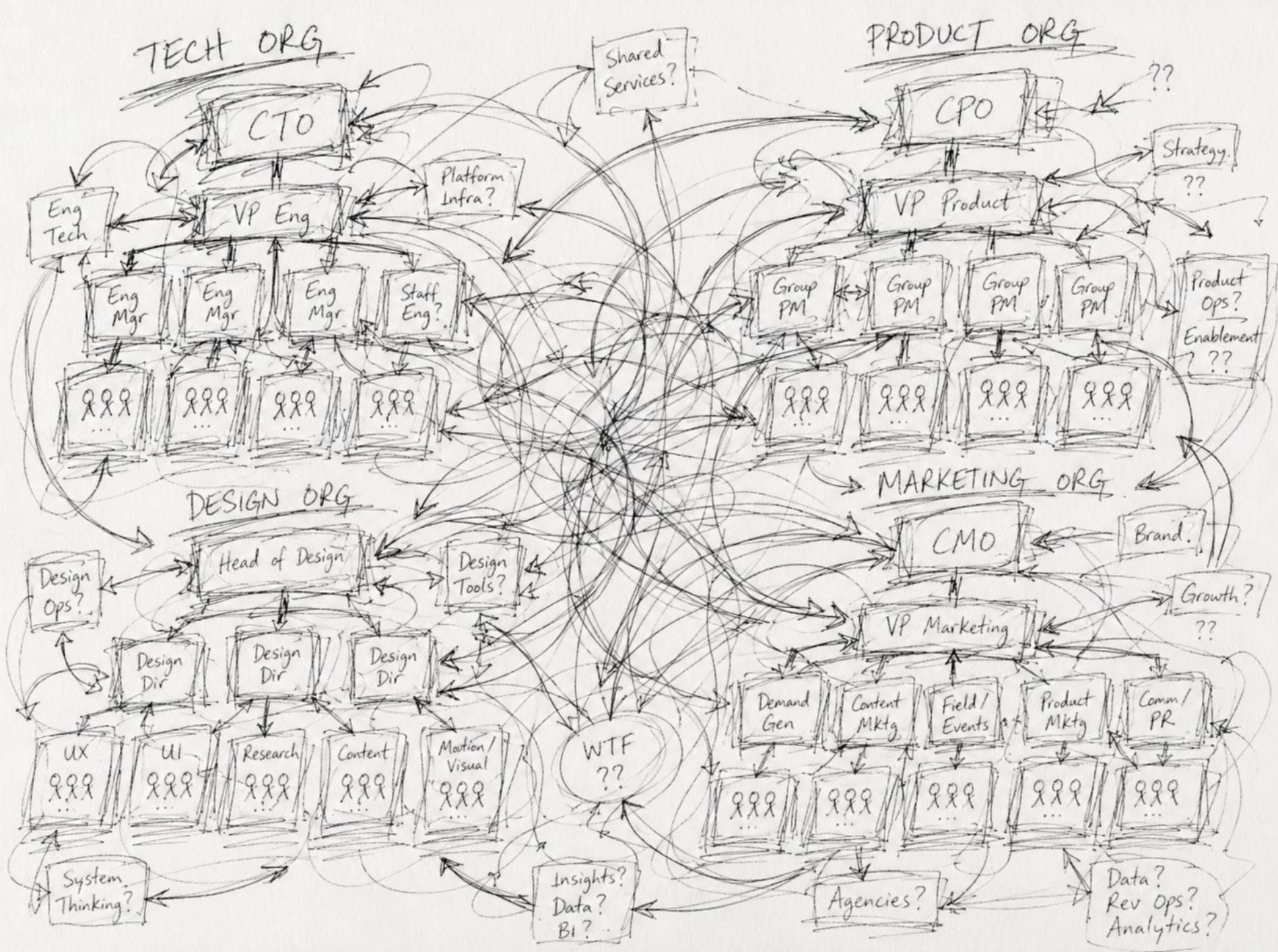
This is the environment WITS is being built for.
WITS is based on the idea that operational systems themselves are becoming tradable assets. SPOTLIGHTS package repeatable operational structures into systems that can be used, deployed, scaled, and monetized. Those systems generate outputs such as products, content, workflows, data, customers, and operational processes. Those outputs can then be reused, repackaged, or resold through SOCIAL PROOF.
In other words, WITS is not simply a marketplace for products. It is a marketplace for operational capability.
This distinction matters because the future economy is increasingly defined by leverage rather than isolated effort. The individuals and businesses that scale most effectively are no longer the ones working the hardest manually. They are the ones operating the strongest systems. The advantage increasingly belongs to those who can structure execution into repeatable frameworks that consistently produce outputs over time.

The question businesses increasingly face is no longer simply, “What are you selling?” The deeper question is becoming, “What system produces it, and can that system scale?”
That shift changes everything.
It changes how businesses are built. It changes how services are delivered. It changes how creators monetize audiences. It changes how operational knowledge is packaged and distributed. It changes how value itself is perceived.
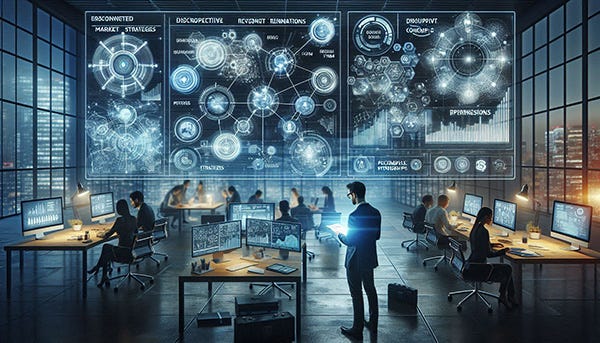
Systems have always existed behind successful businesses. What is changing now is that those systems are becoming visible, transferable, and monetizable in their own right.
The modern economy is no longer just about products.
It is increasingly about the systems that produce them.